Summary

Project overview

Problem space

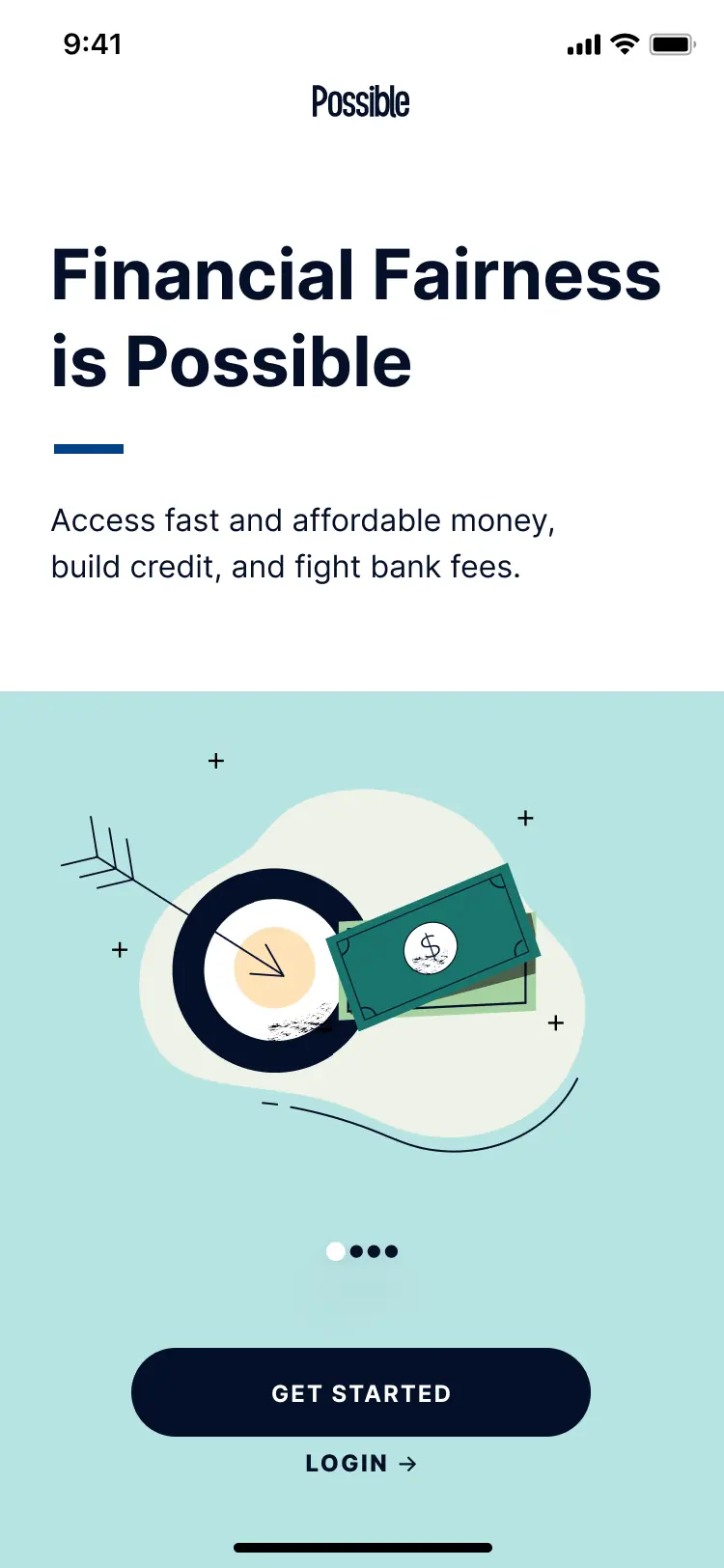
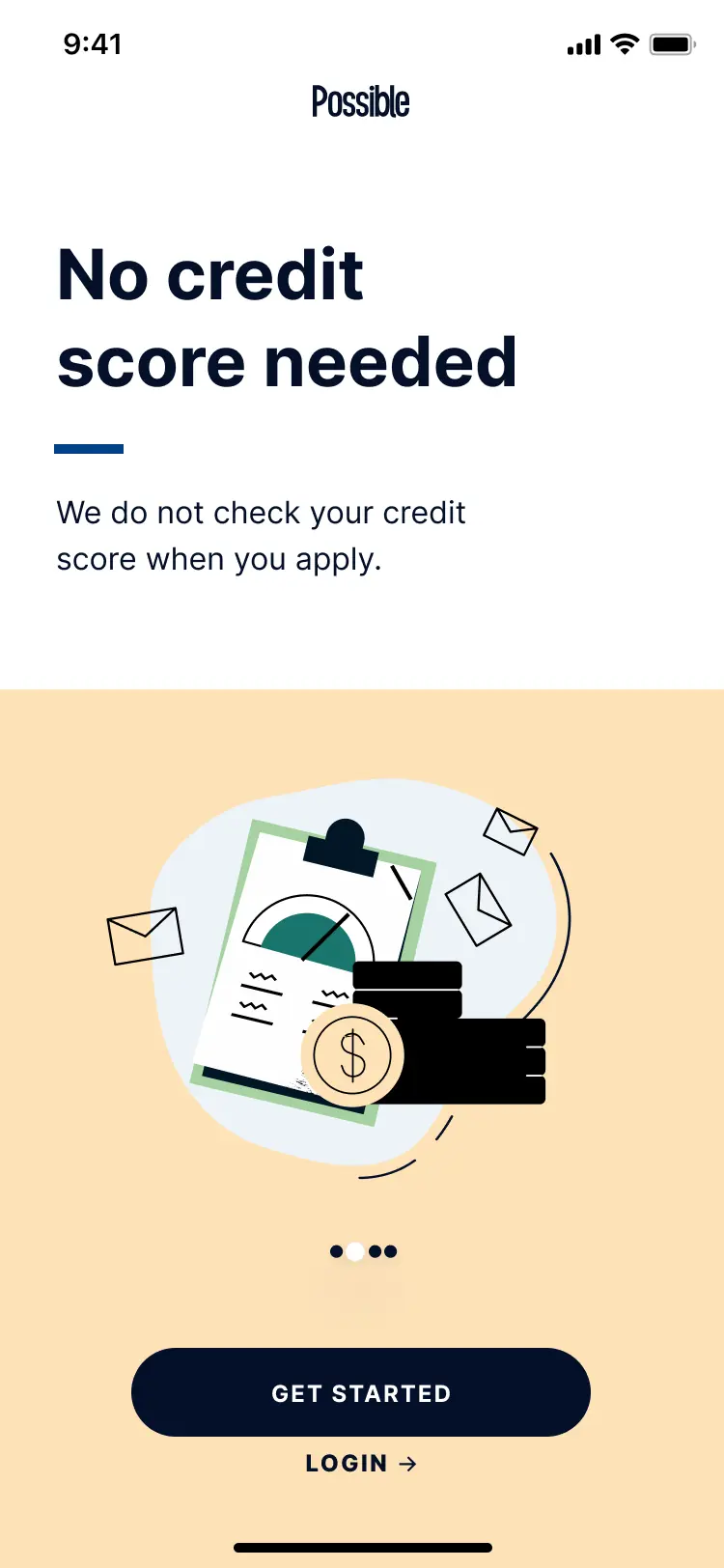
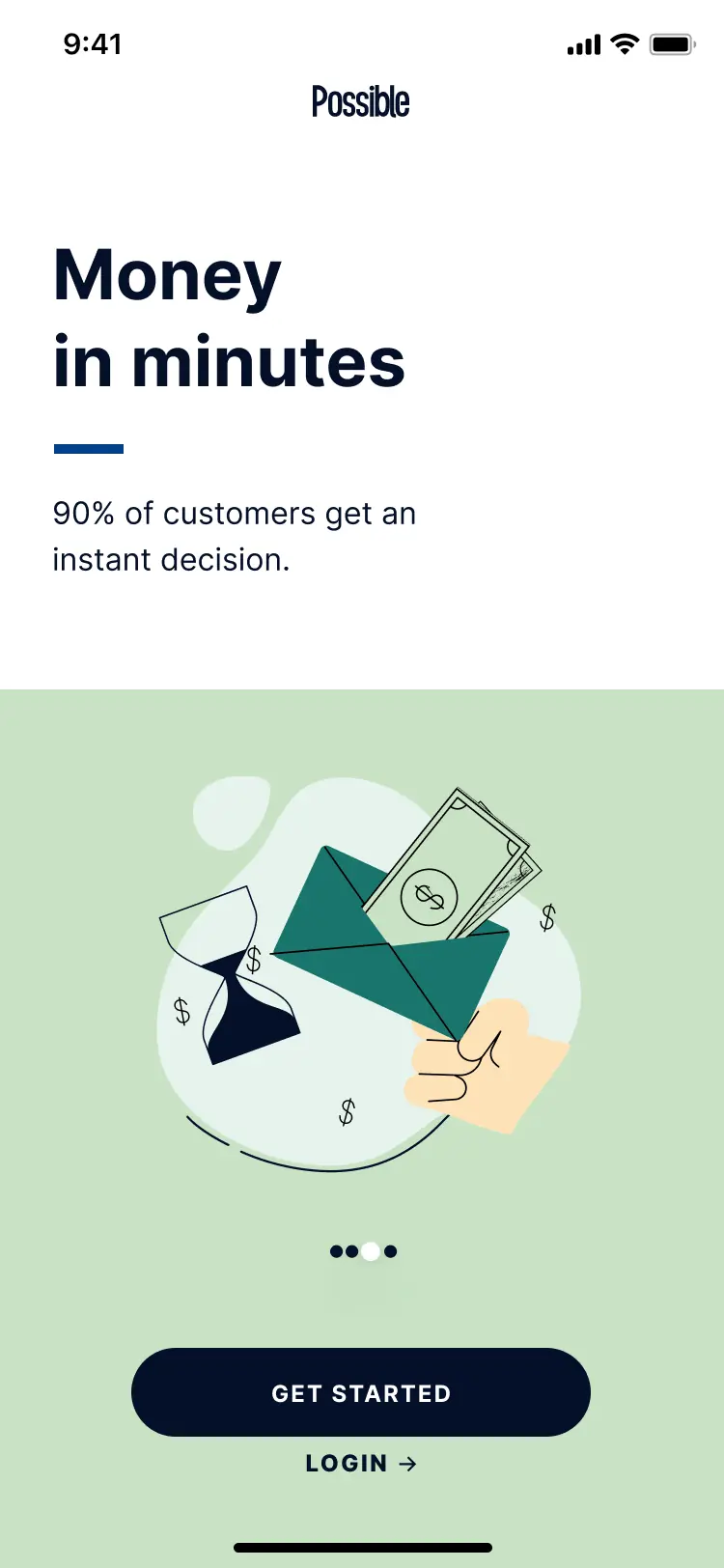
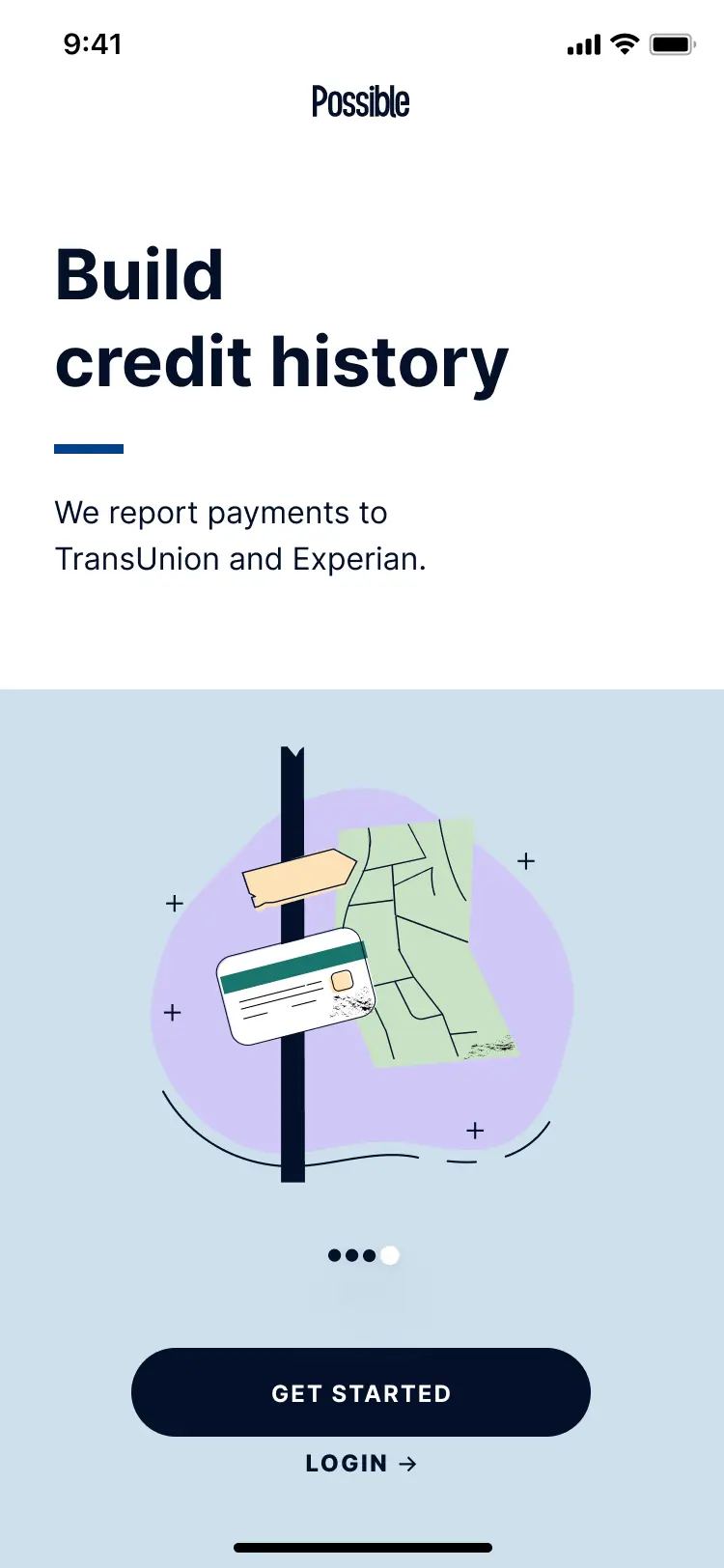
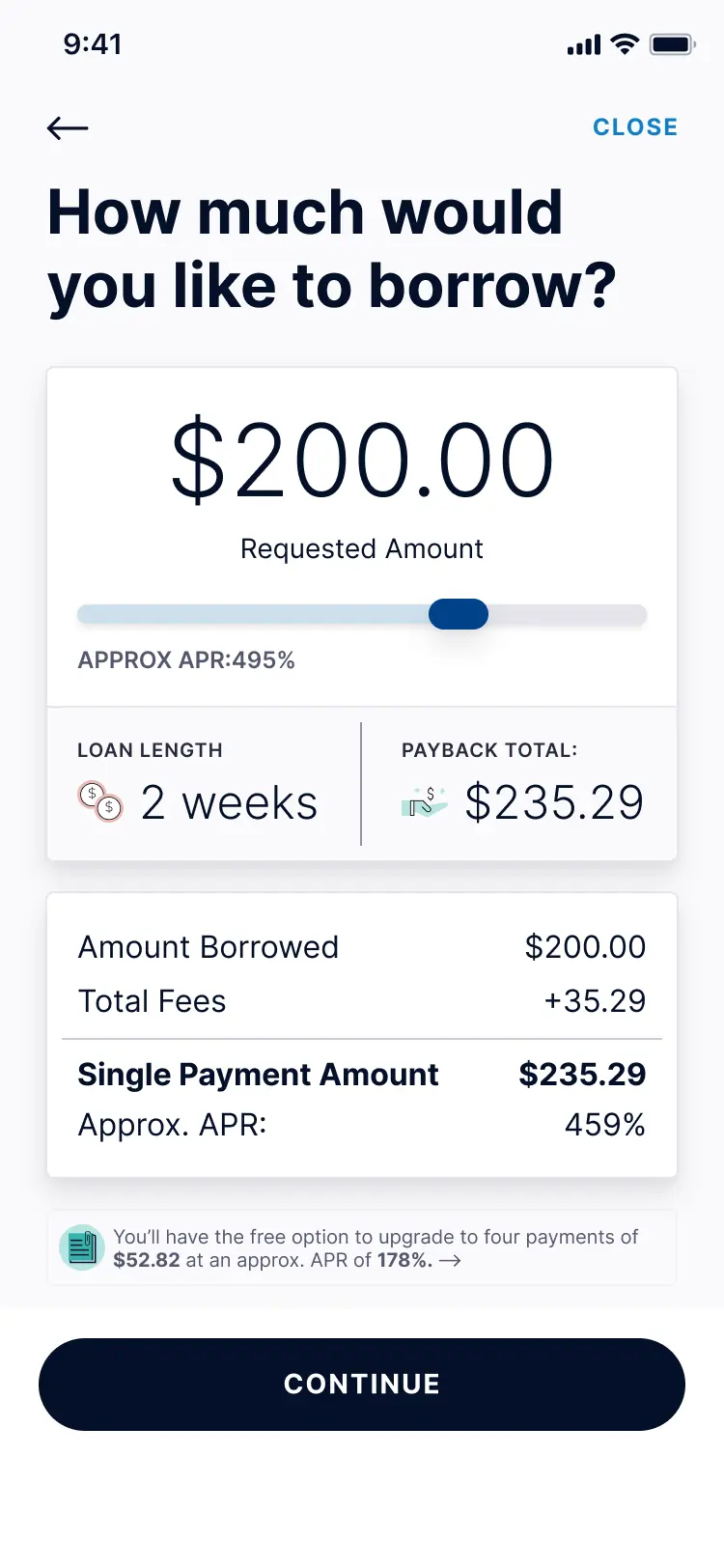
In the U.S. the people who can't cover an emergency have the least access to credit. For many, the only option is a payday loan but that means high fees and huge interest charges. Most payday loans also don't report positive payments to the three credit bureaus.

Team

I wasn’t the first designer on the team. We were organized in a classic pod structure, but I made a point to strengthen the relationship between design and back-end engineering.

Metrics

  • Sign ups
  • Customer satisfaction
  • Initial purchase rate

My role

This was a true startup experience, I did a little of everything. I was part of a 3 person design team and the only designer for several months.

Timeline

Ongoing for 12+ months but this case study focuses on about 2 months of work.

Deliverables

  • Wireframes and final screen UI from Figma
  • Usability Test assets
  • Customer Journey Maps and Flow Diagrams

+45%

Customer satisfaction

-33%

Decrease in screens

Case Study

This is how we brought a new kind of credit card to market.

First, we wanted to release a good product. Not a perfect one. The idea was to get this in the hands of our customers and get feedback.

Second, we needed to secure funding. Payday loans are traditionally very profitable but doing them in a customer-centric way is not. Showing the value of the product and the potential market would be the foundation of the new funding round.

Finally, we needed to iterate. Quickly. The first pass was never going to be perfect. We needed to turn our viable product into something valuable.
Because 67% of Americans can't cover a $400 emergency.

We had a successful loan product but it was limited.

Our stakeholders often compared our designed experiences with competitors. Whether it was a way to ask questions, engage with the designers or just cut corners, it was something we often had to address.

I decided to embrace this. I ran a workshop with our stakeholders and we critiqued a competitor. From that point forward, rather than copying the experience, we used it as a jumping off point.

I inherited a lot of screens but very few requirements.

The first designer on the project was super talented. She had a ton of experience with 0 to 1 products and I was lucky to inherit a good foundation.

There was a vision. At that point, though, we didn’t have a ton of consistency. We were also trying to understand what the requirements were. We made things up on the fly.
I stepped back to map the journey so we could build context.

We needed to align on what we were doing and why. For me this meant listening to people talking about the details of a passion project.

We mapped the entire experience and the relationship between the Customer, Possible and our external partners. This was a great onboarding resources as new engineers, designers and leaders joined the company.

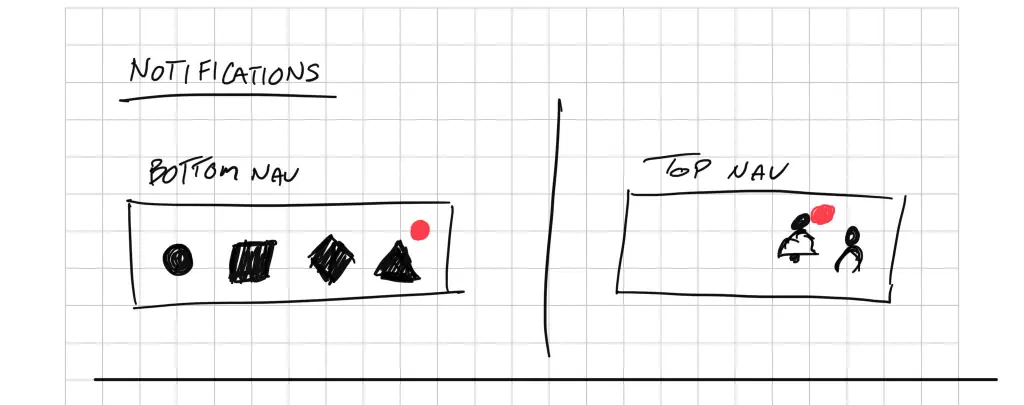
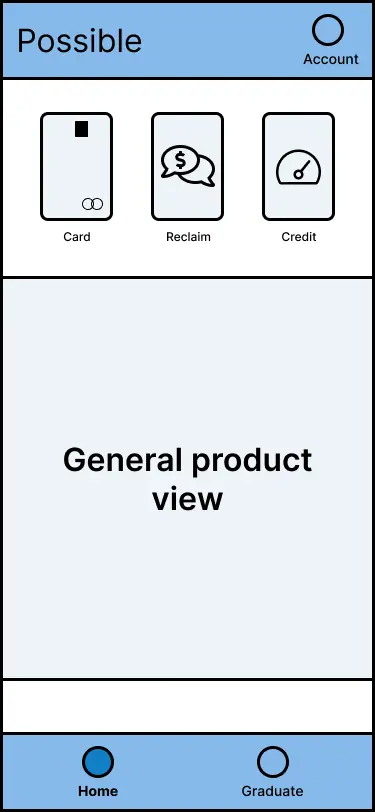
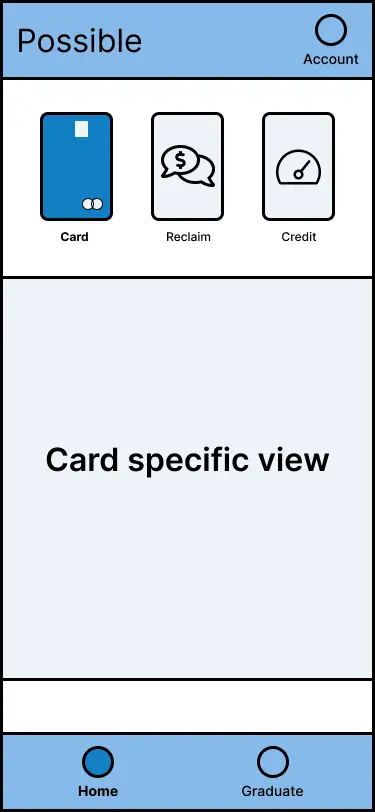
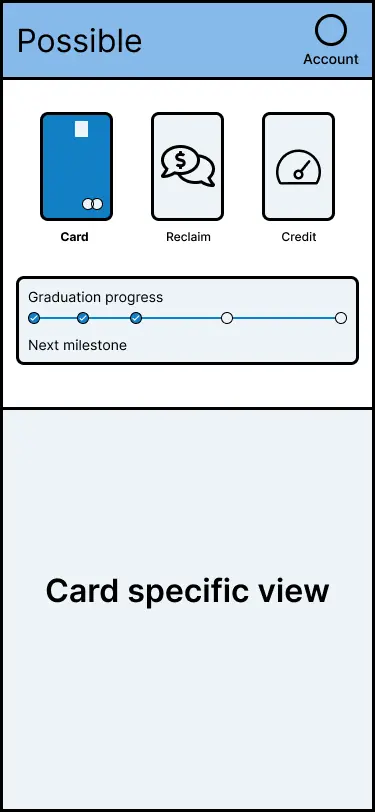
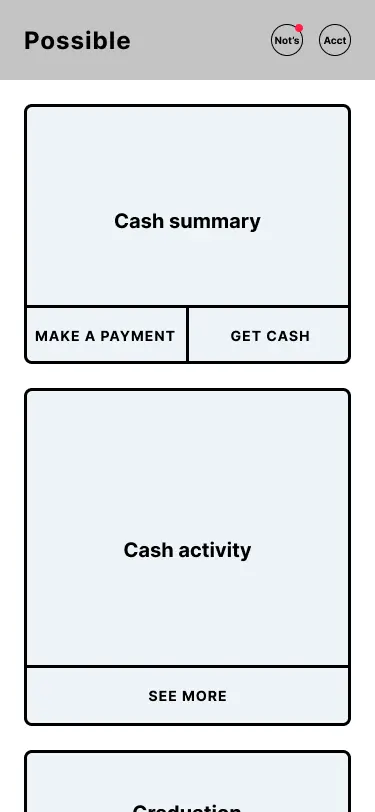
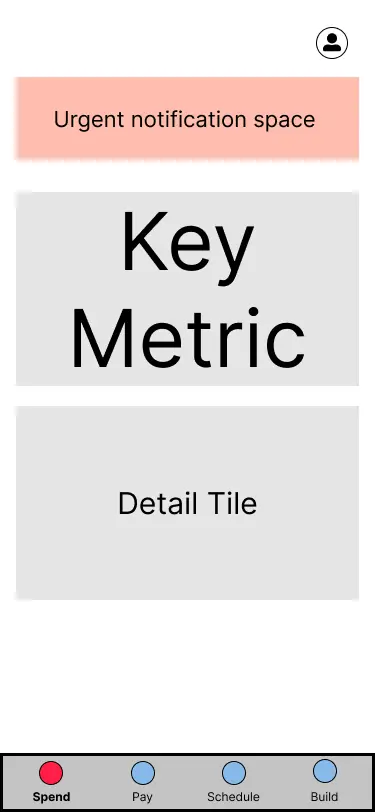
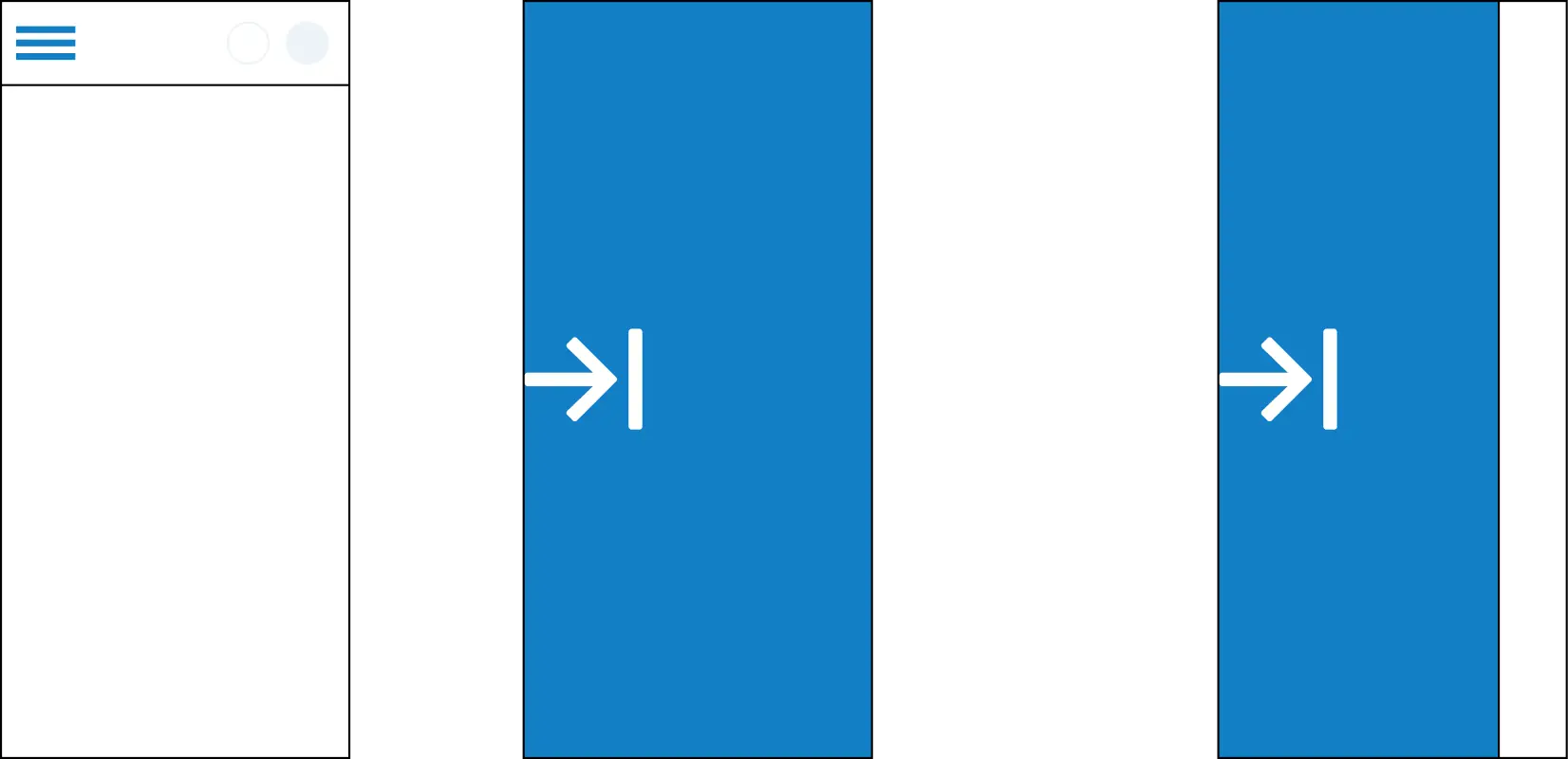
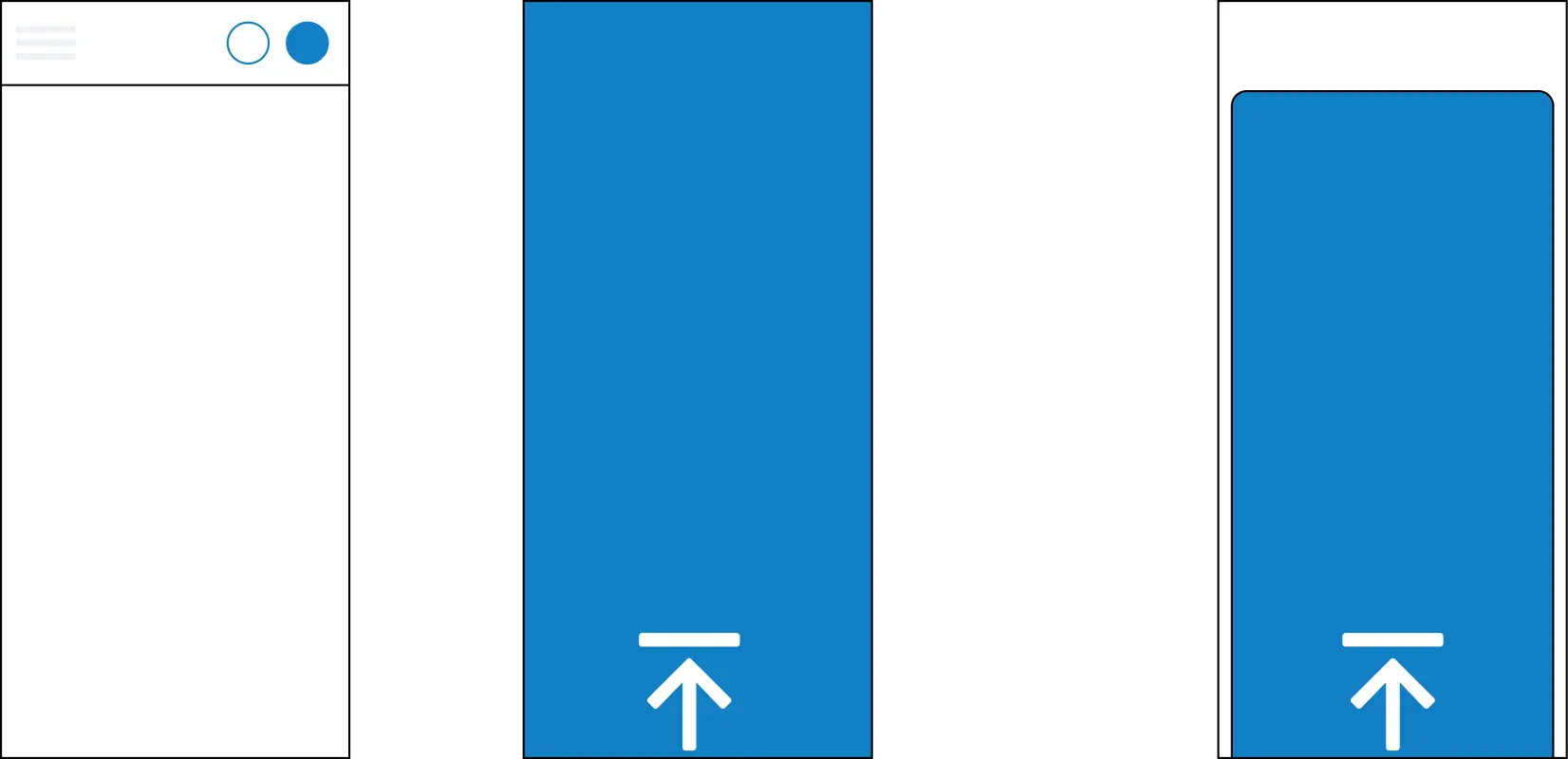
The first step was updating our navigation for a new product.

Launching the card meant we needed to update our navigation structure to include 2 products and soon 3 - we were working on the early stages of a cash advance product.

While we were building the card, in late 2021, we approached The New Company to help us with a rebrand. The original Possible brand was defined in 2019 and updated throughout 2020.

I ran usability tests to better understand our activation flow.

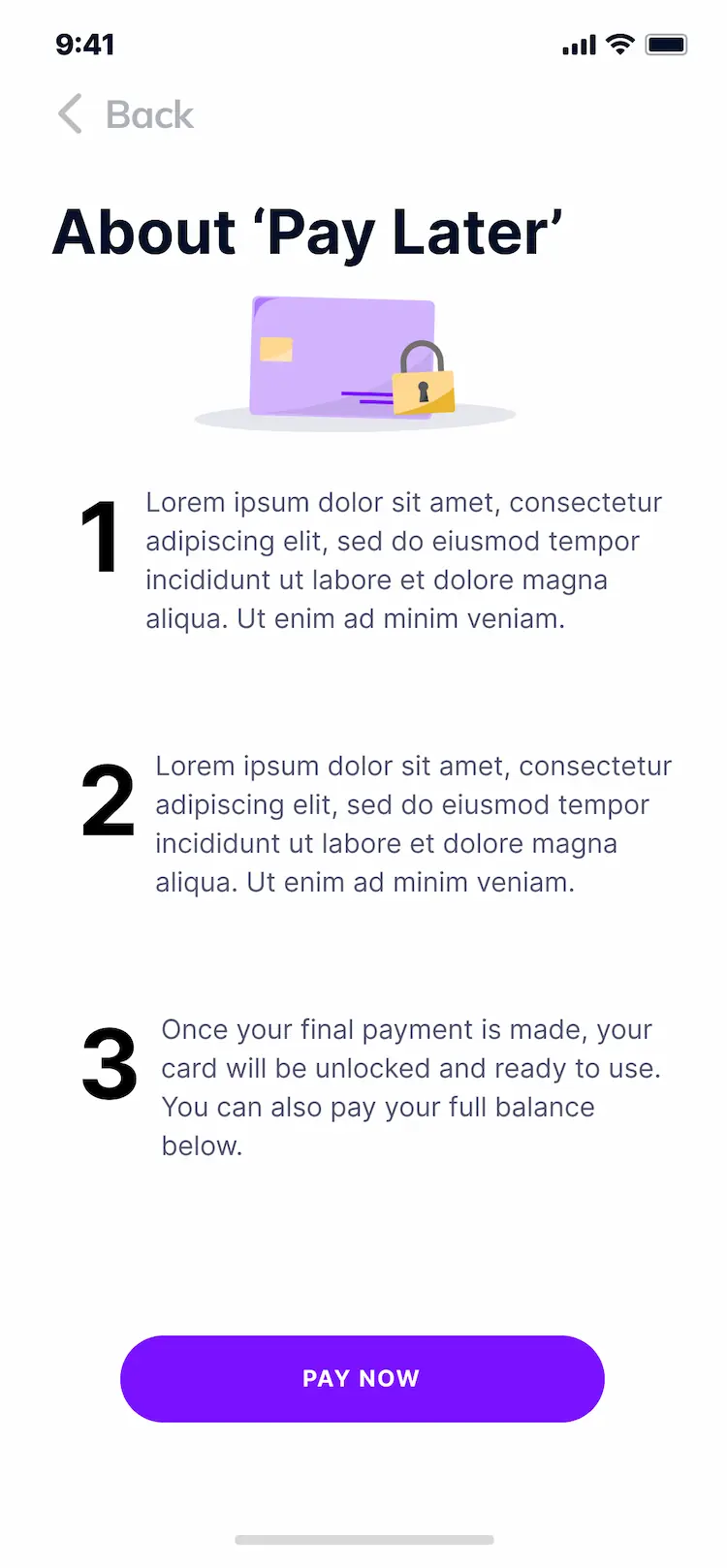
The biggest disparity was in the application flow. That’s not great. This is the first impression people have with using the card and it was a confusing mess. Looking back, it’s not difficult to understand why - we were trying to explain rules that we were also trying to uncover. Some of the information was inaccurate, some of it was confusing and some business decisions were just misaligned with the customer’s mental model.

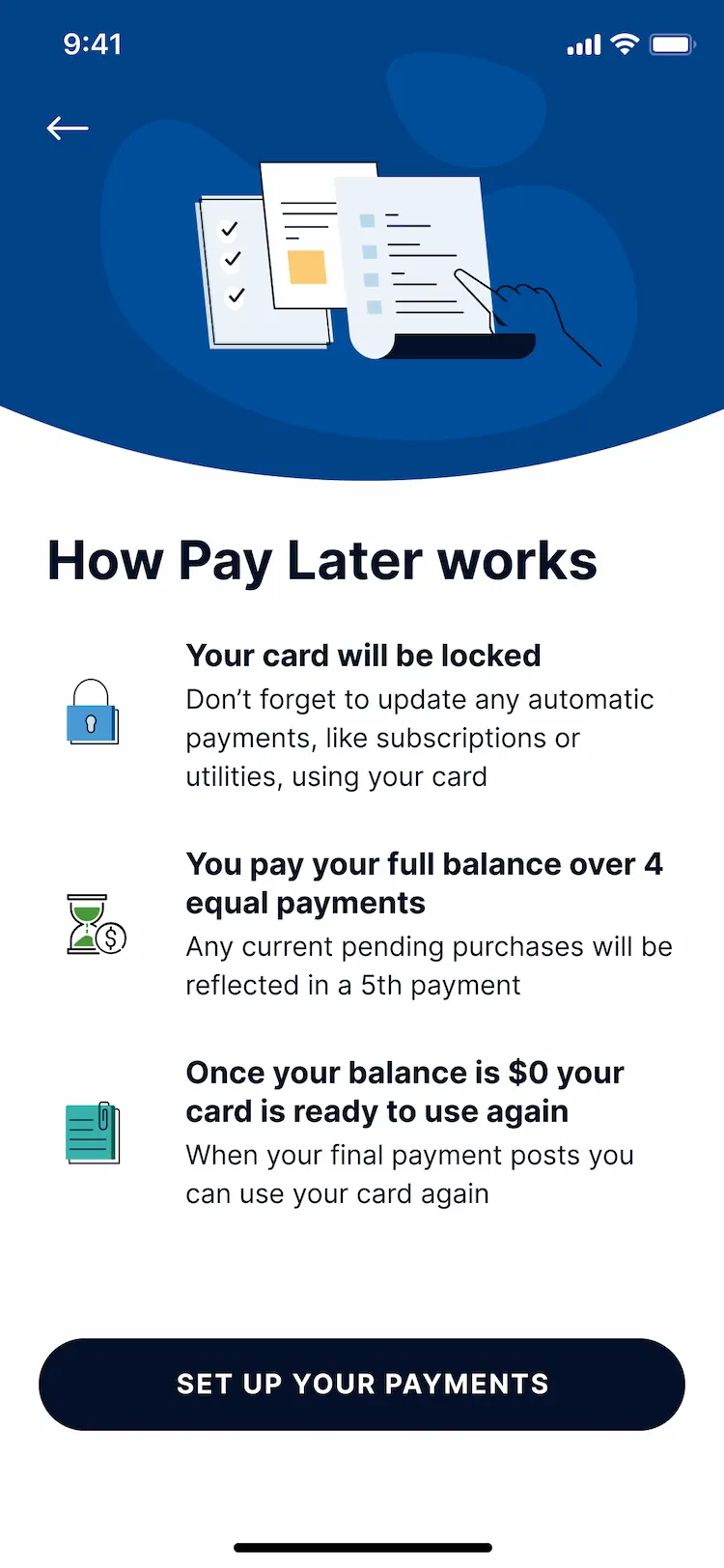
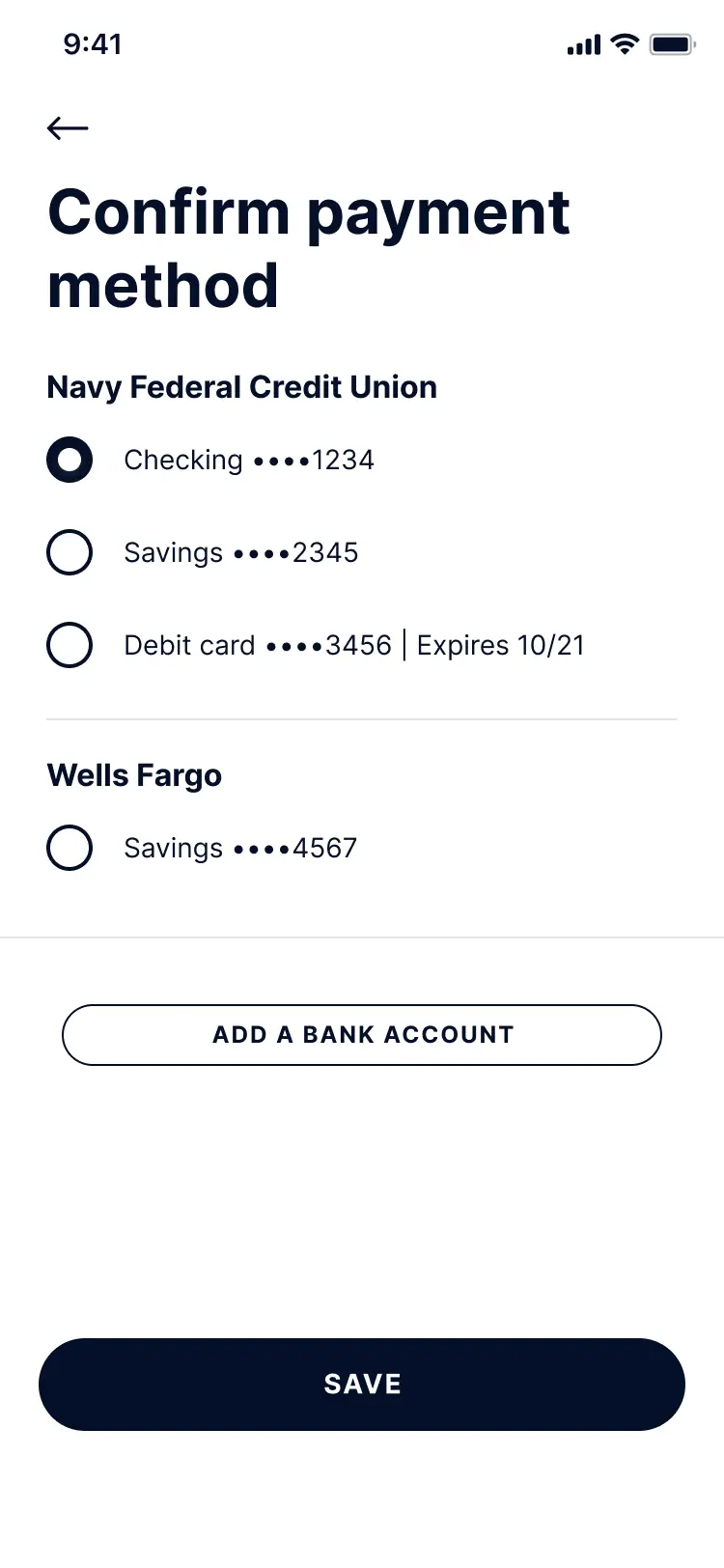
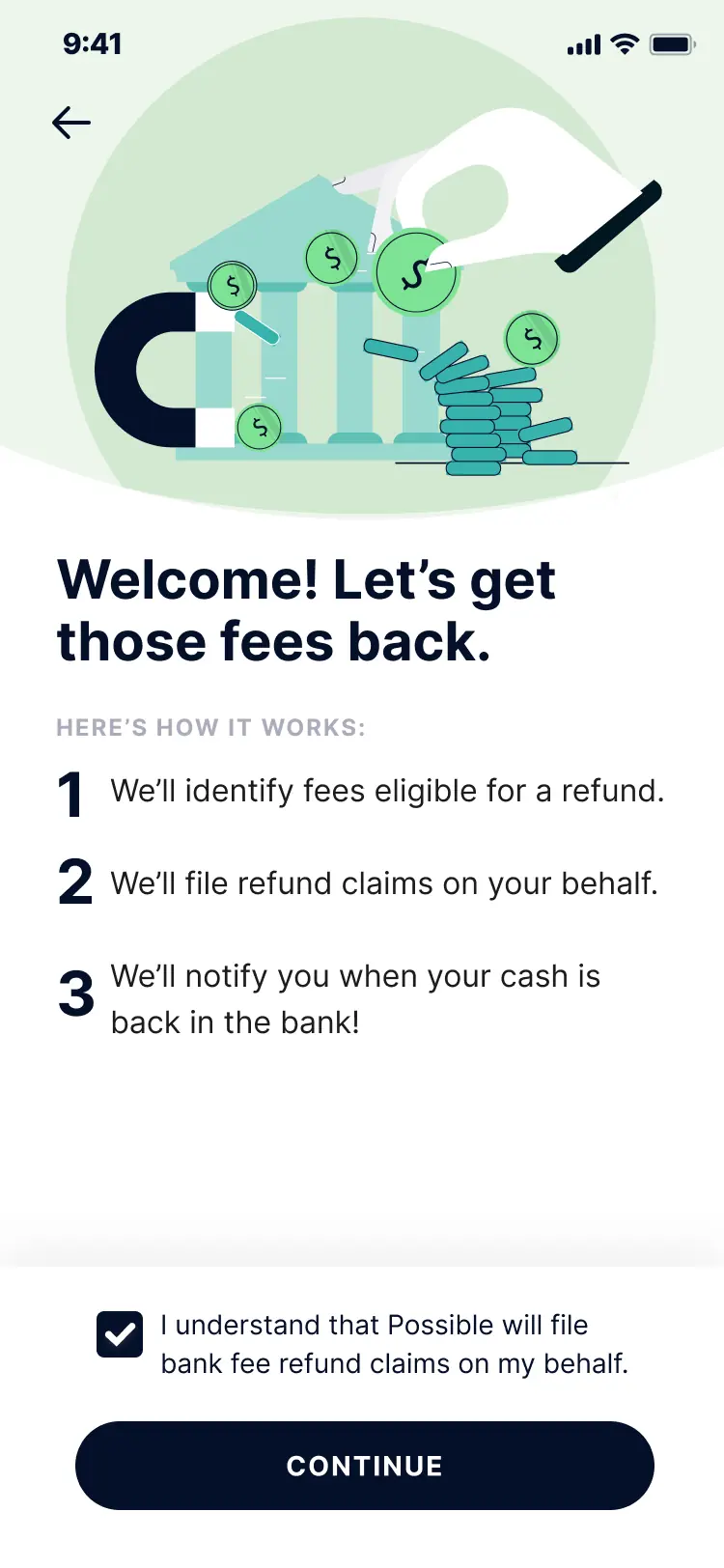
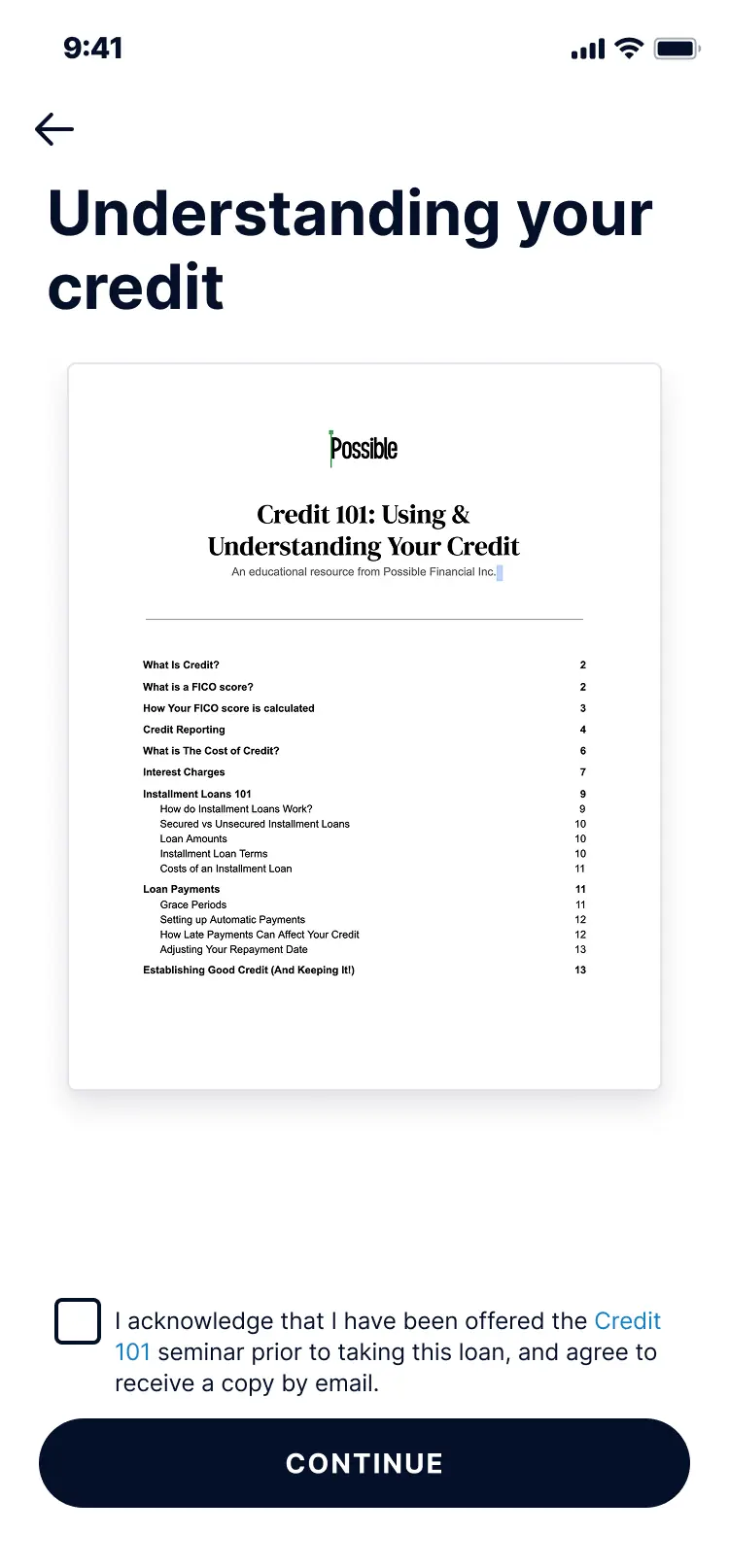
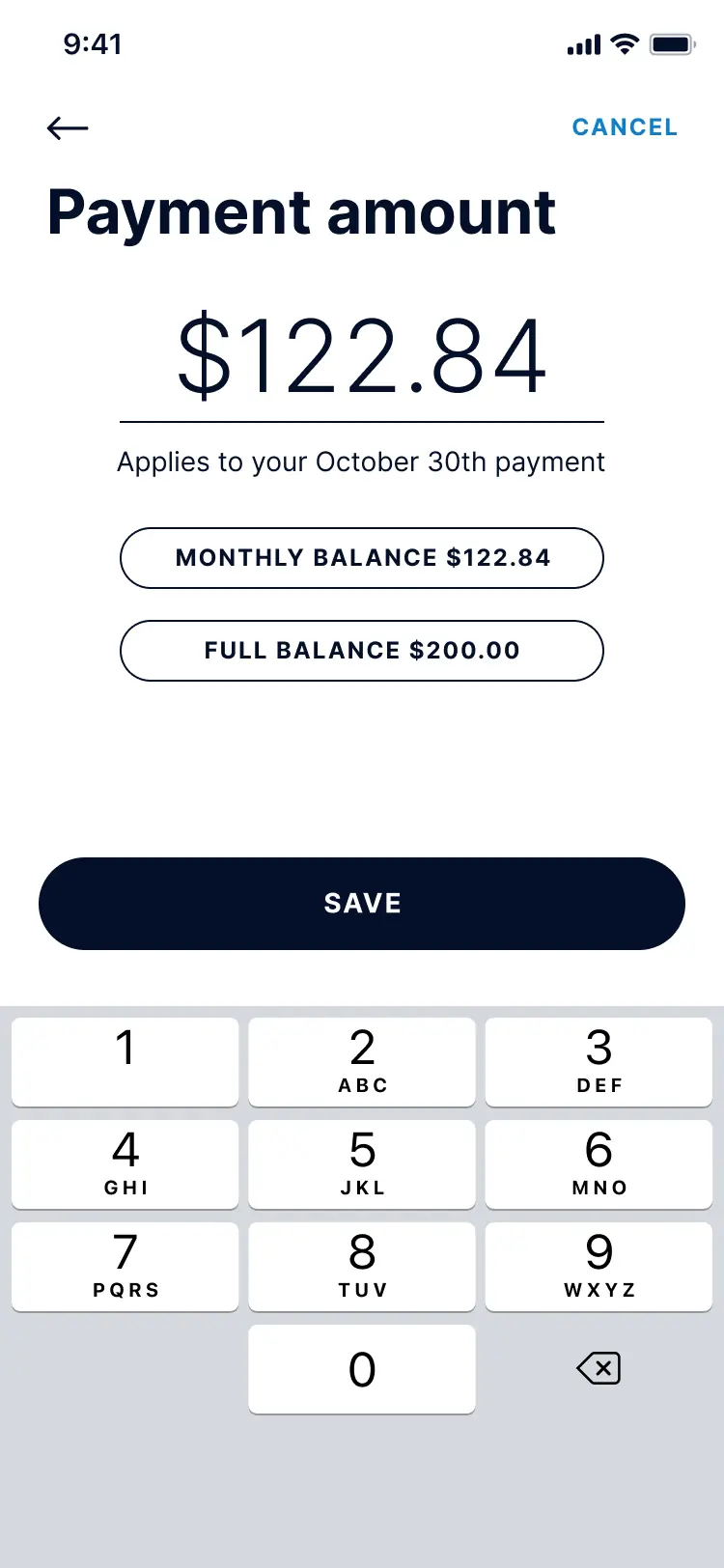
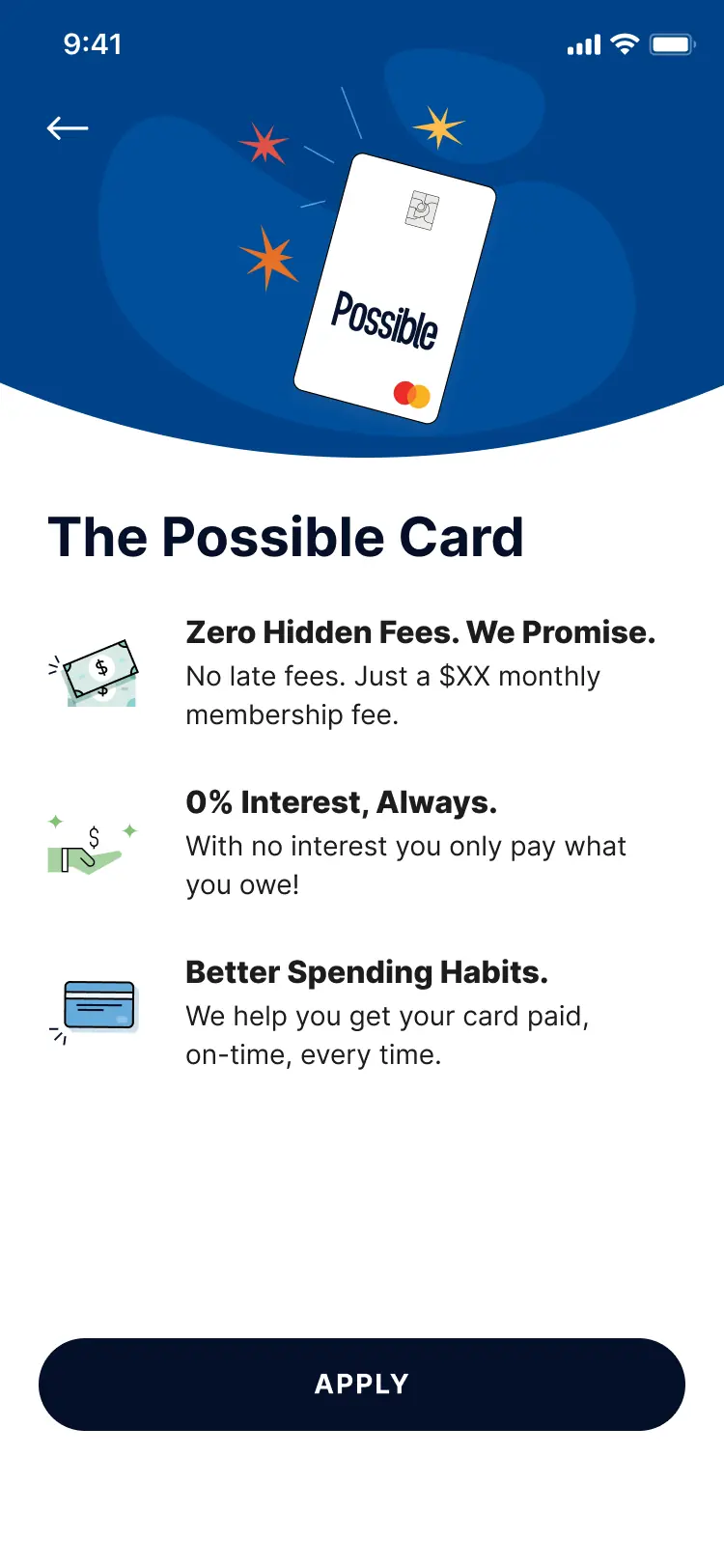
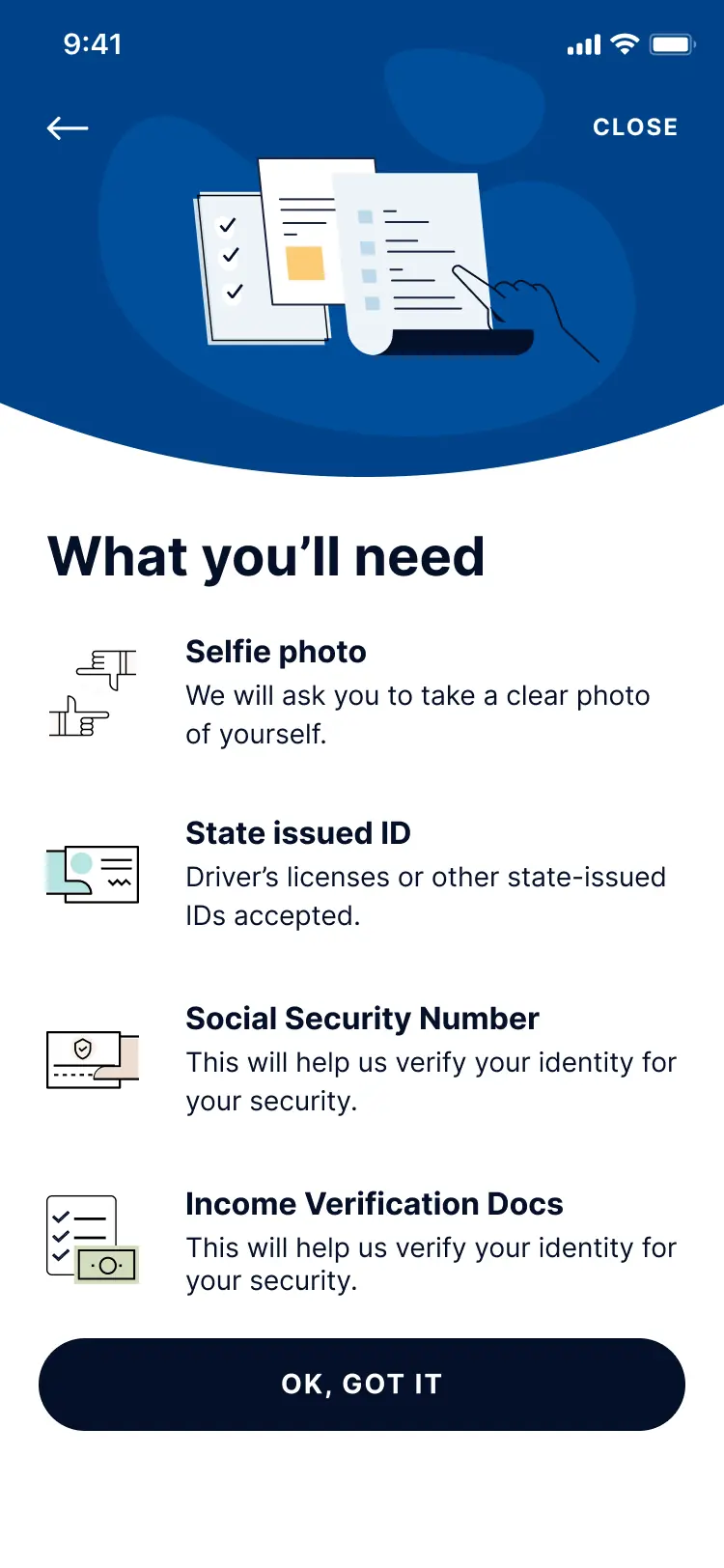
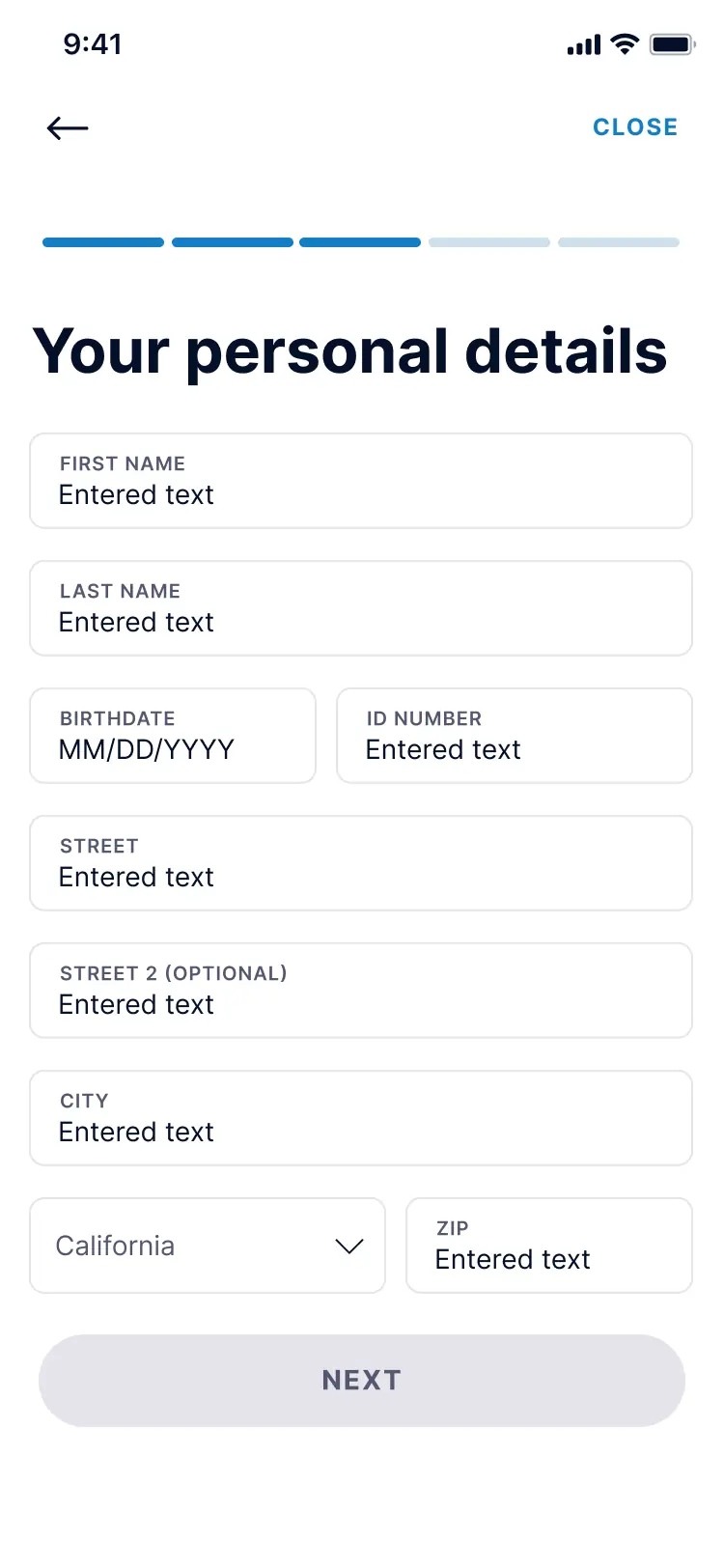
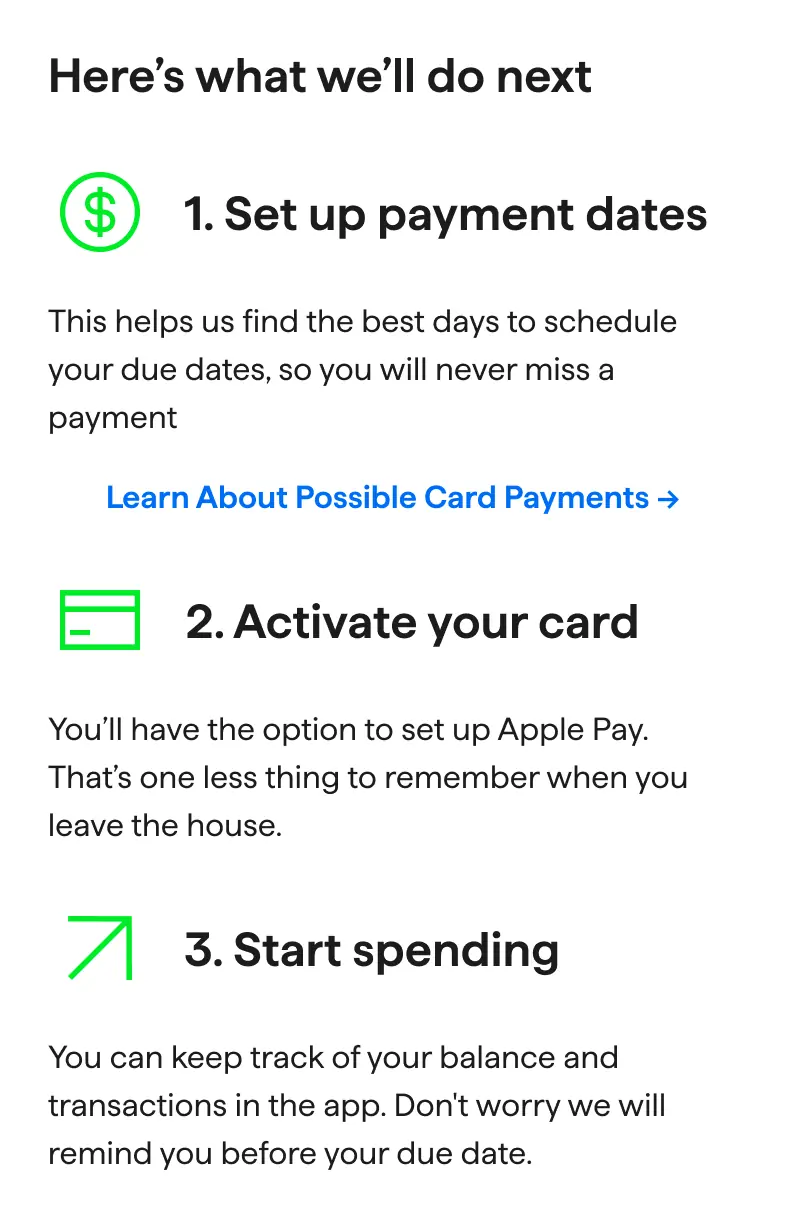
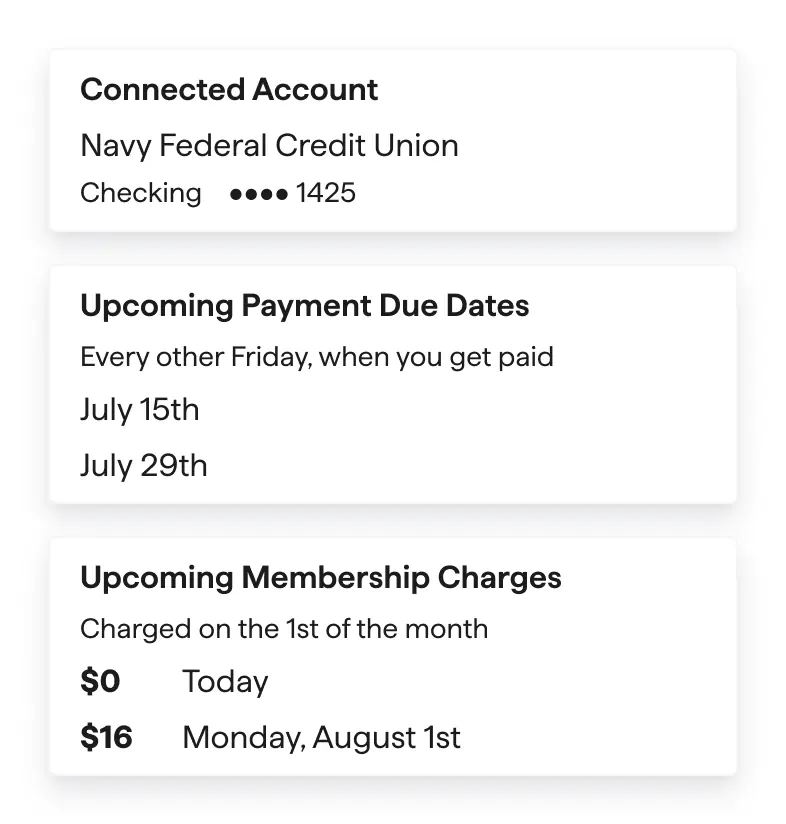
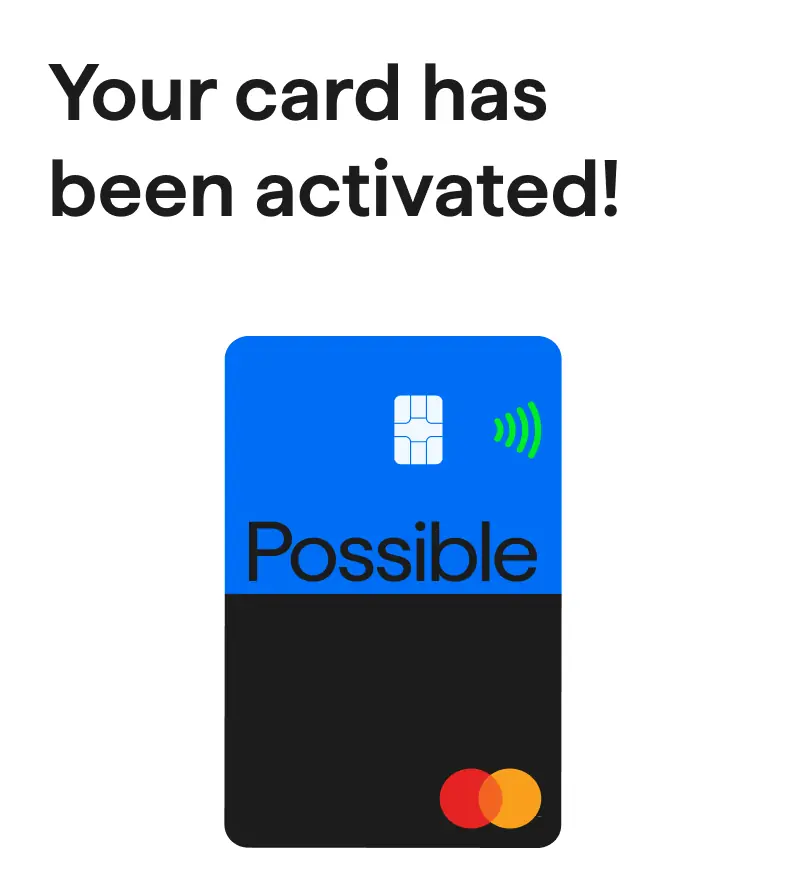
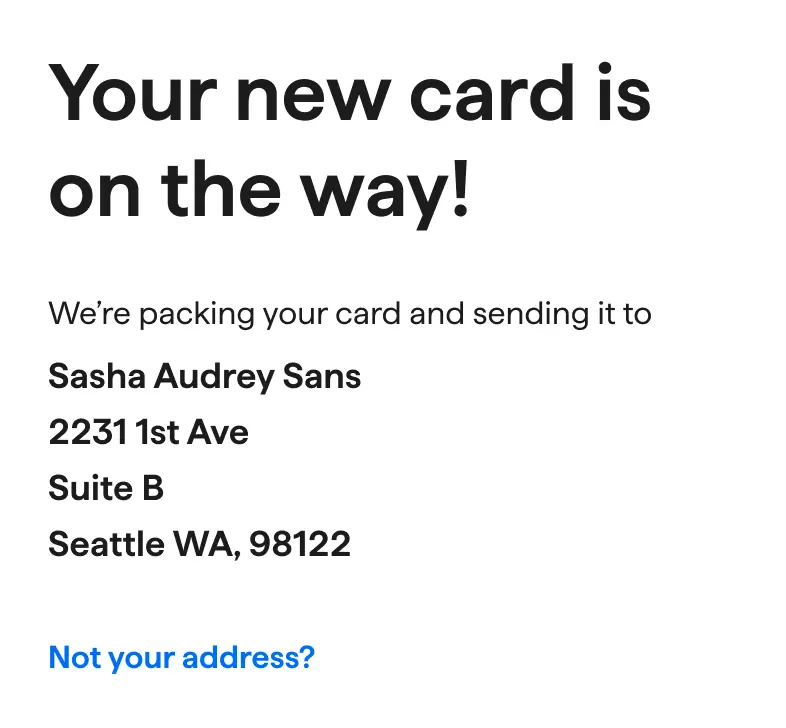
Redefining the application flow became a high priority task. This is where the customer is approved, sets up their payments, agrees to some legal terms and we mail the physical card.

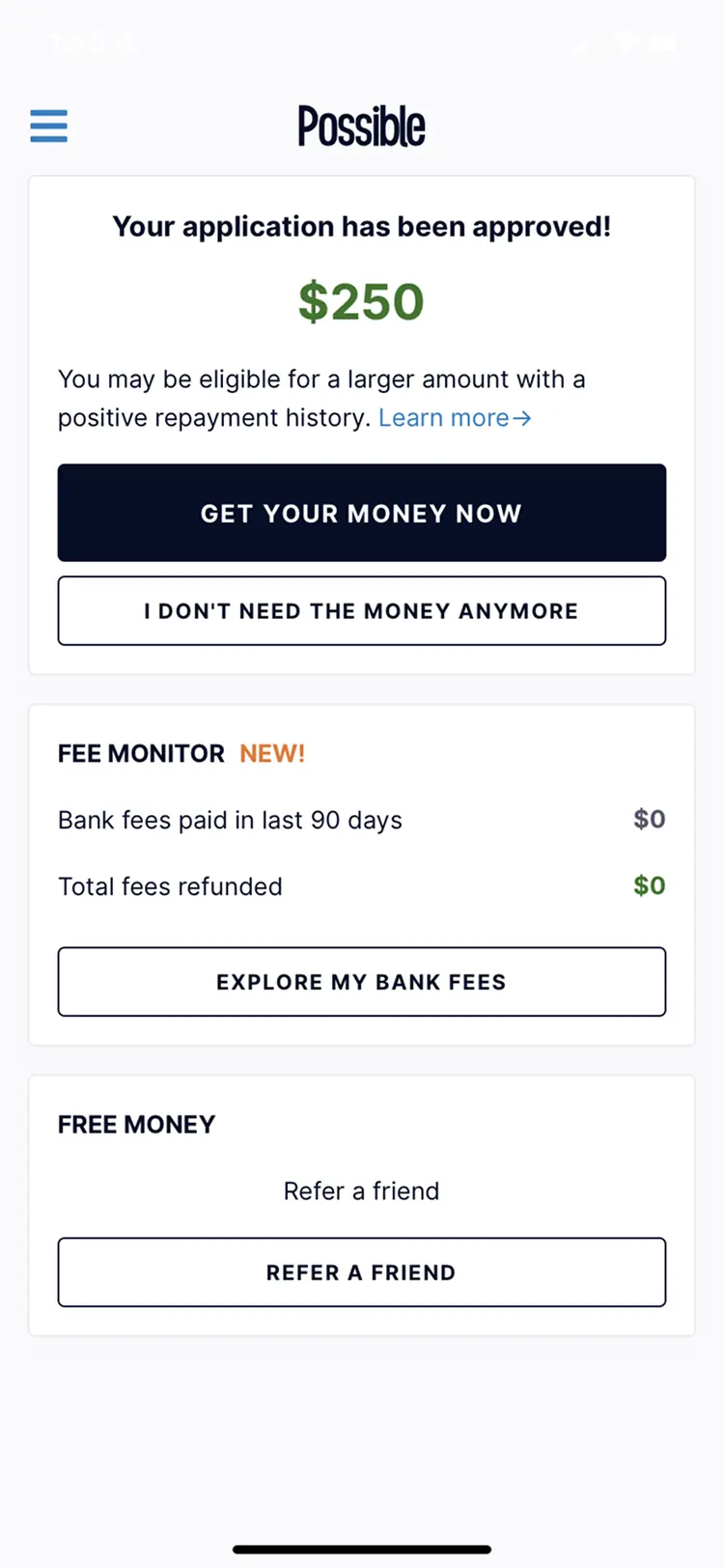
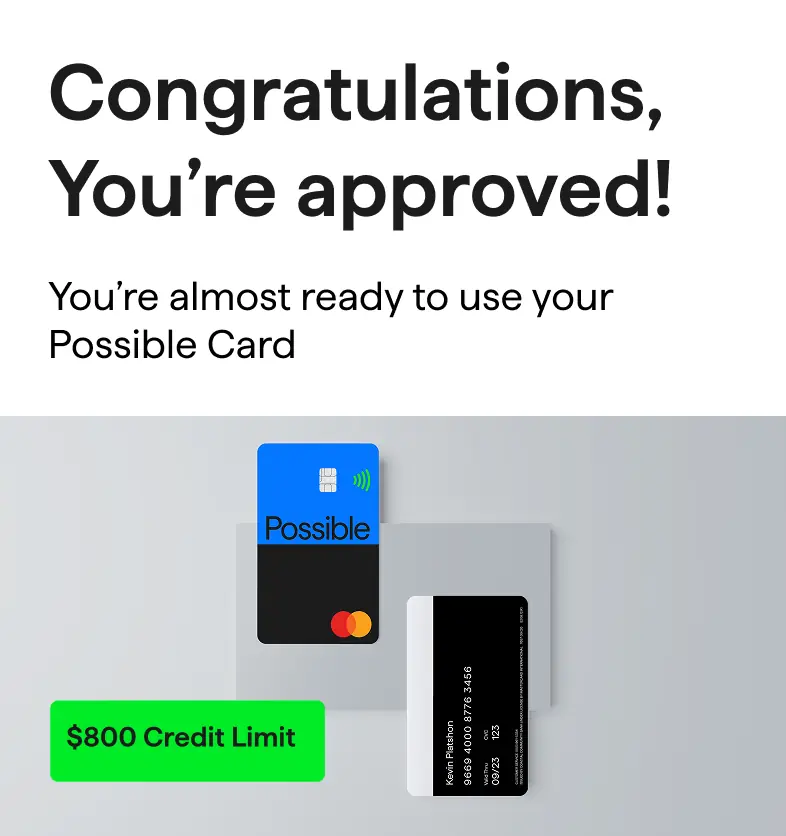
Updating the approval flow increased satisfaction by 45%.

We simplified the approval process.

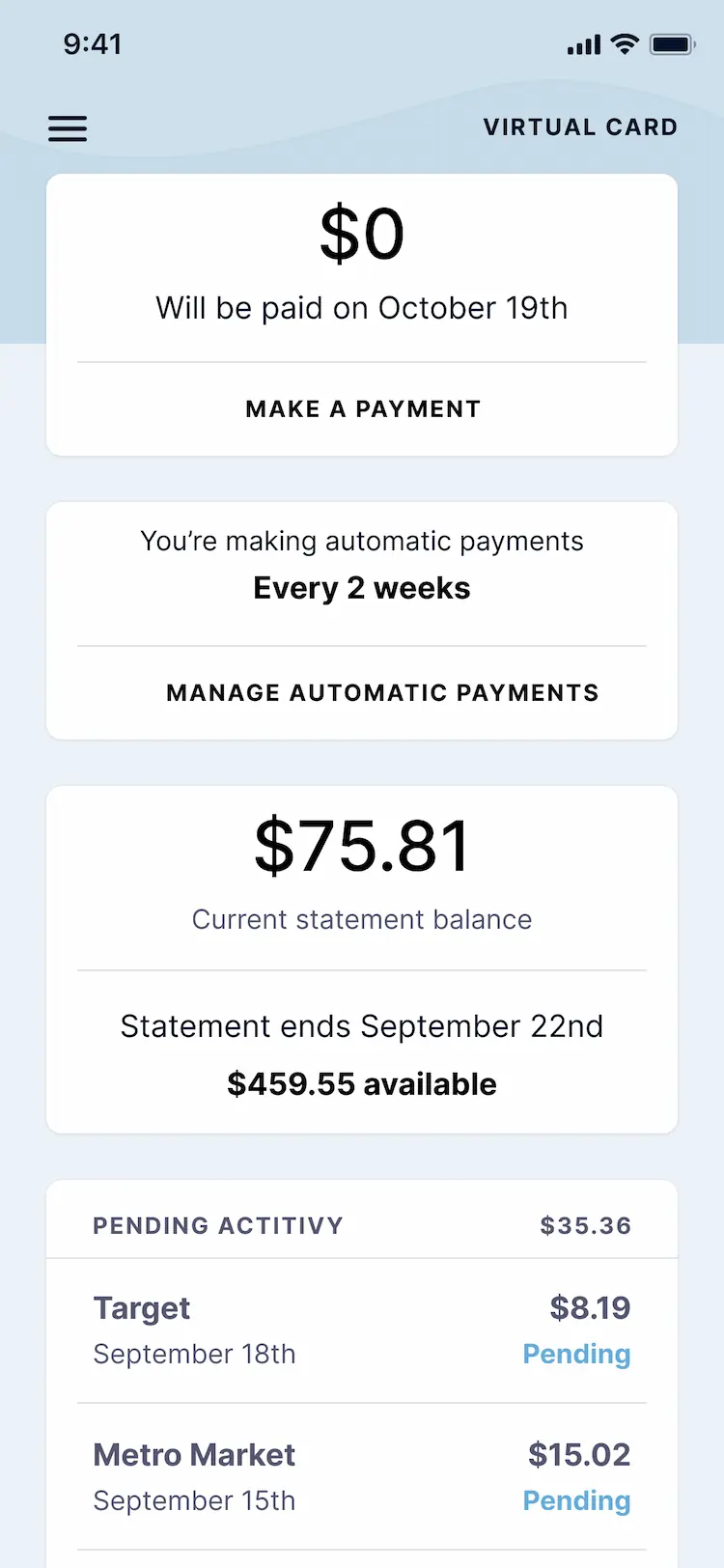
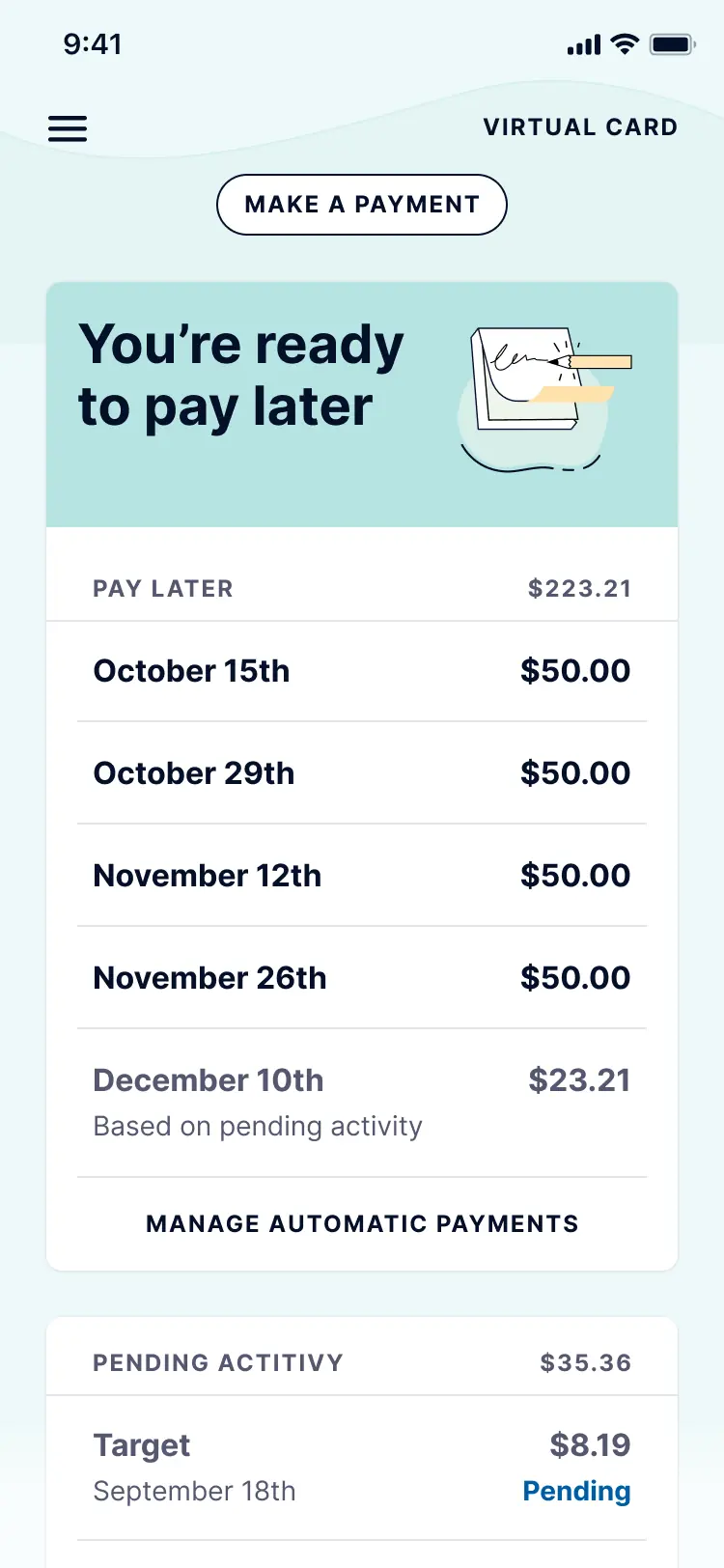
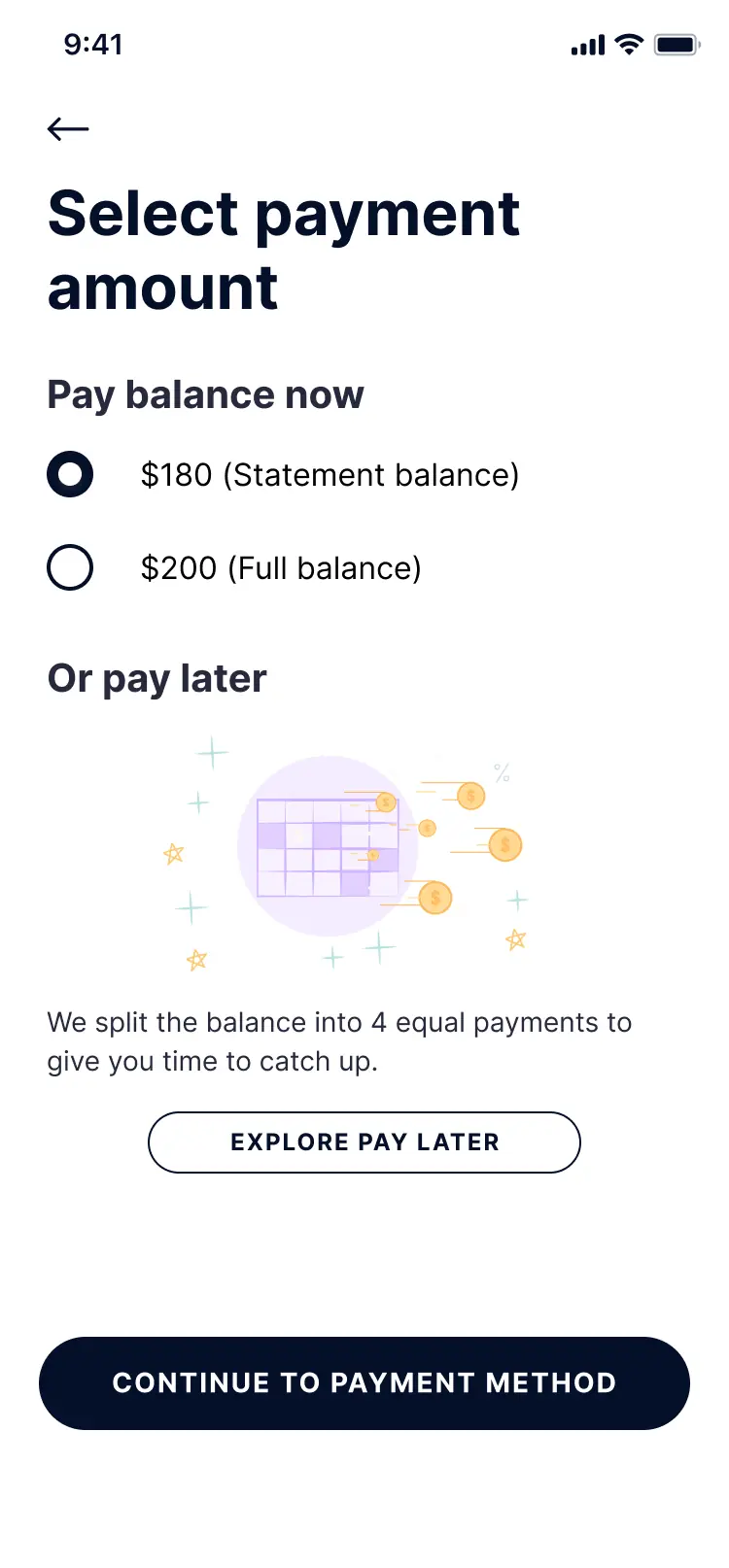
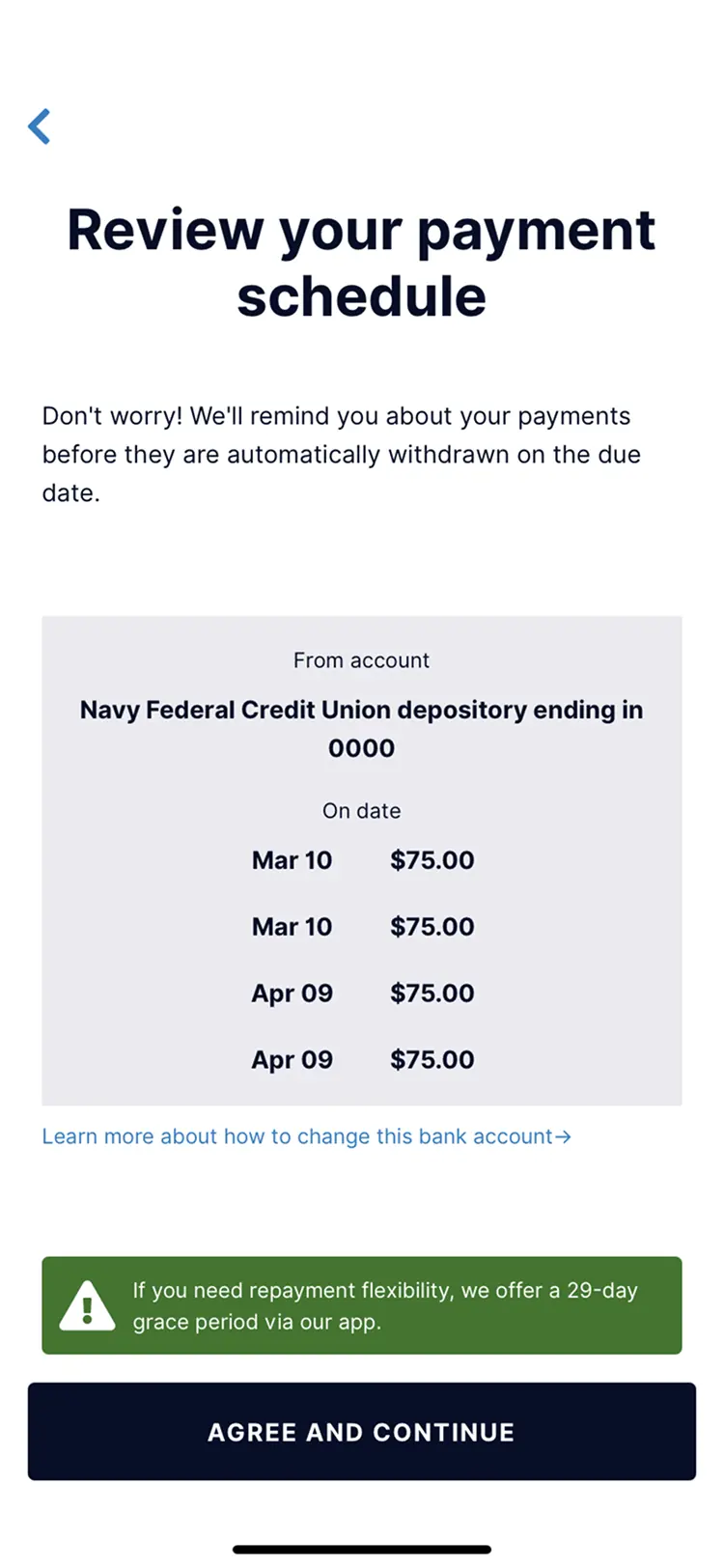
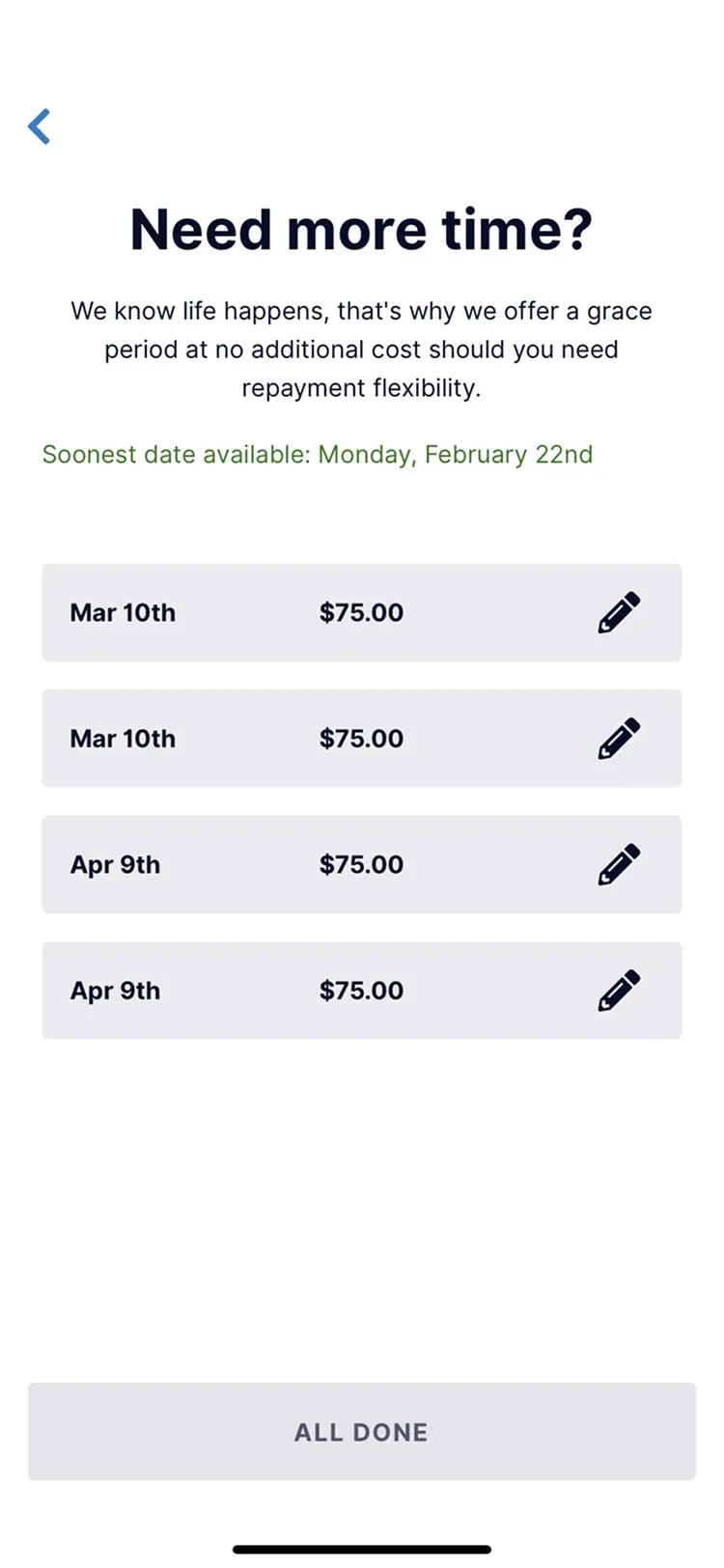
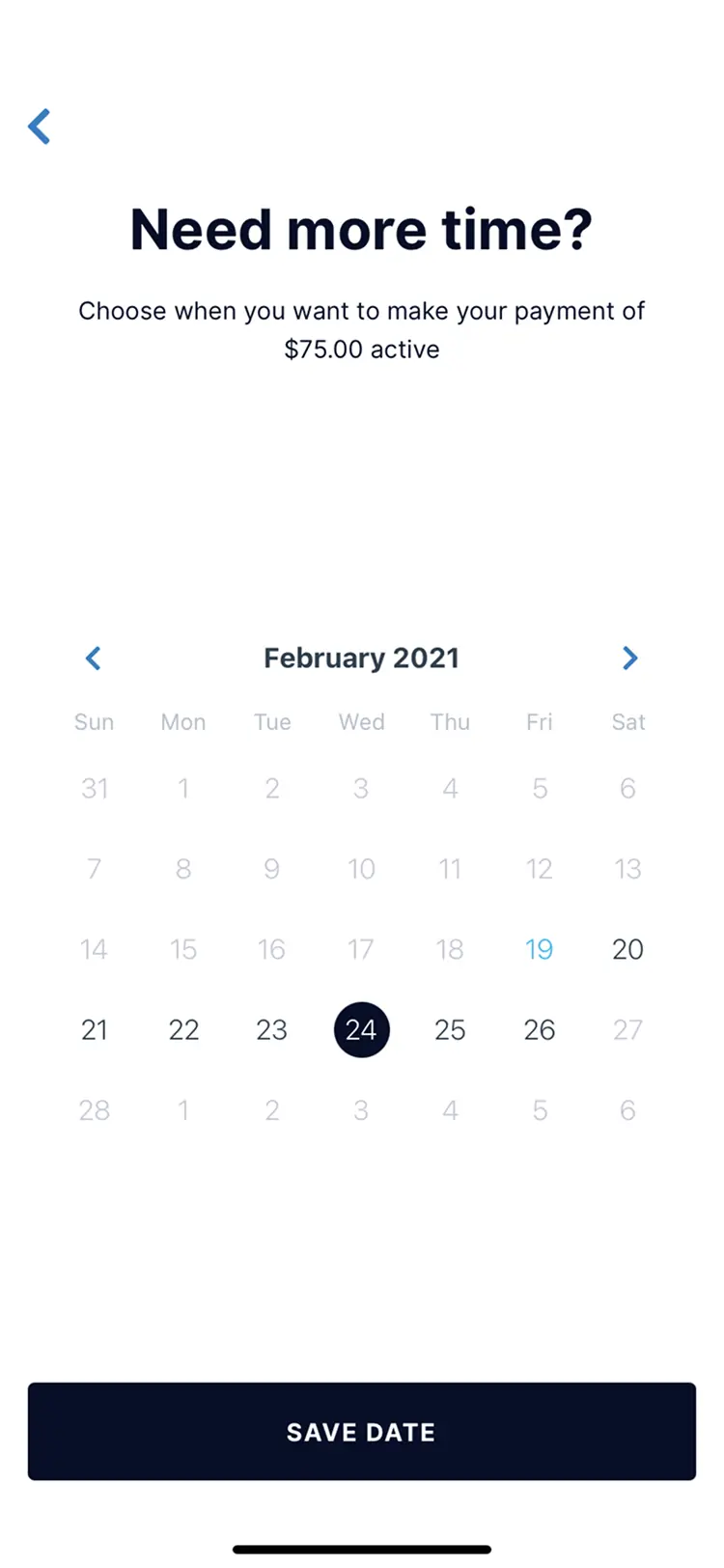
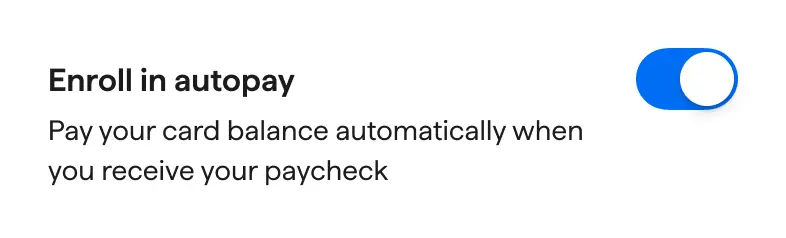
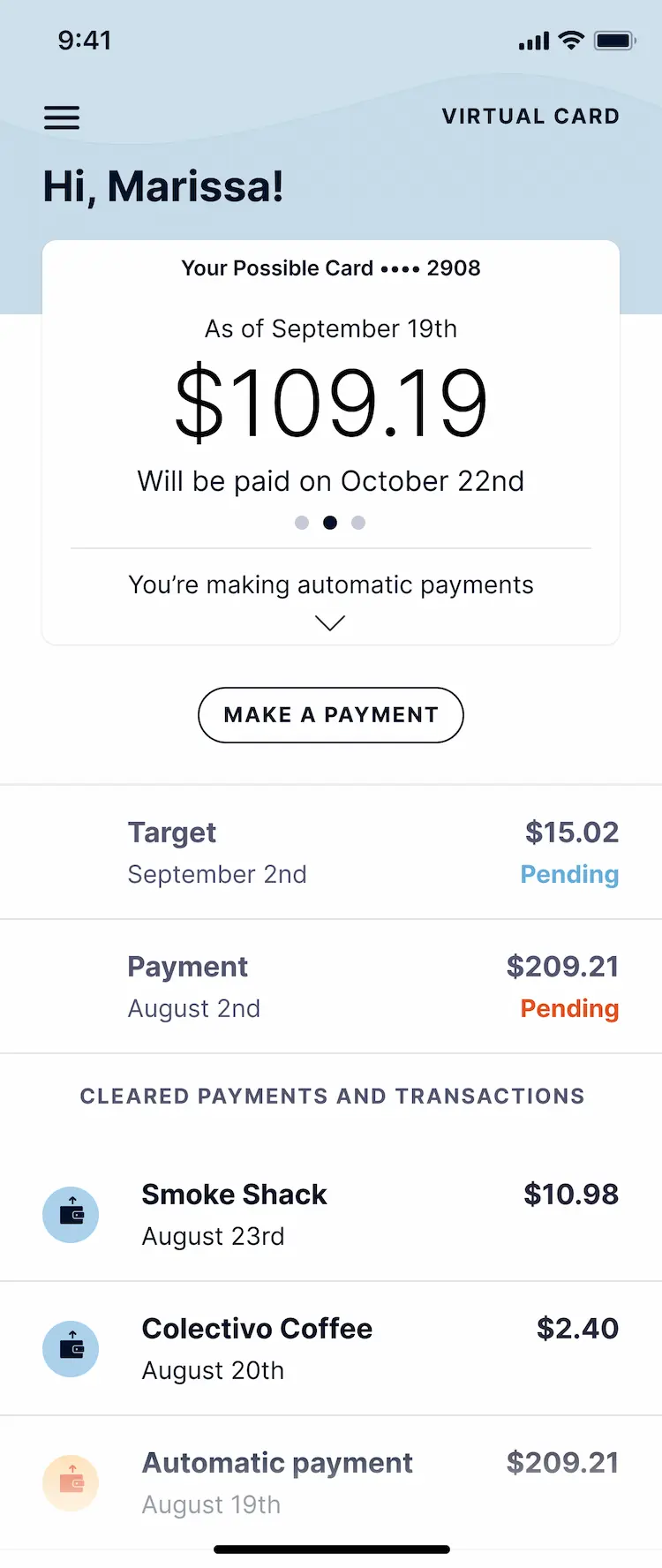
We encouraged payday-aligned automatic payments.

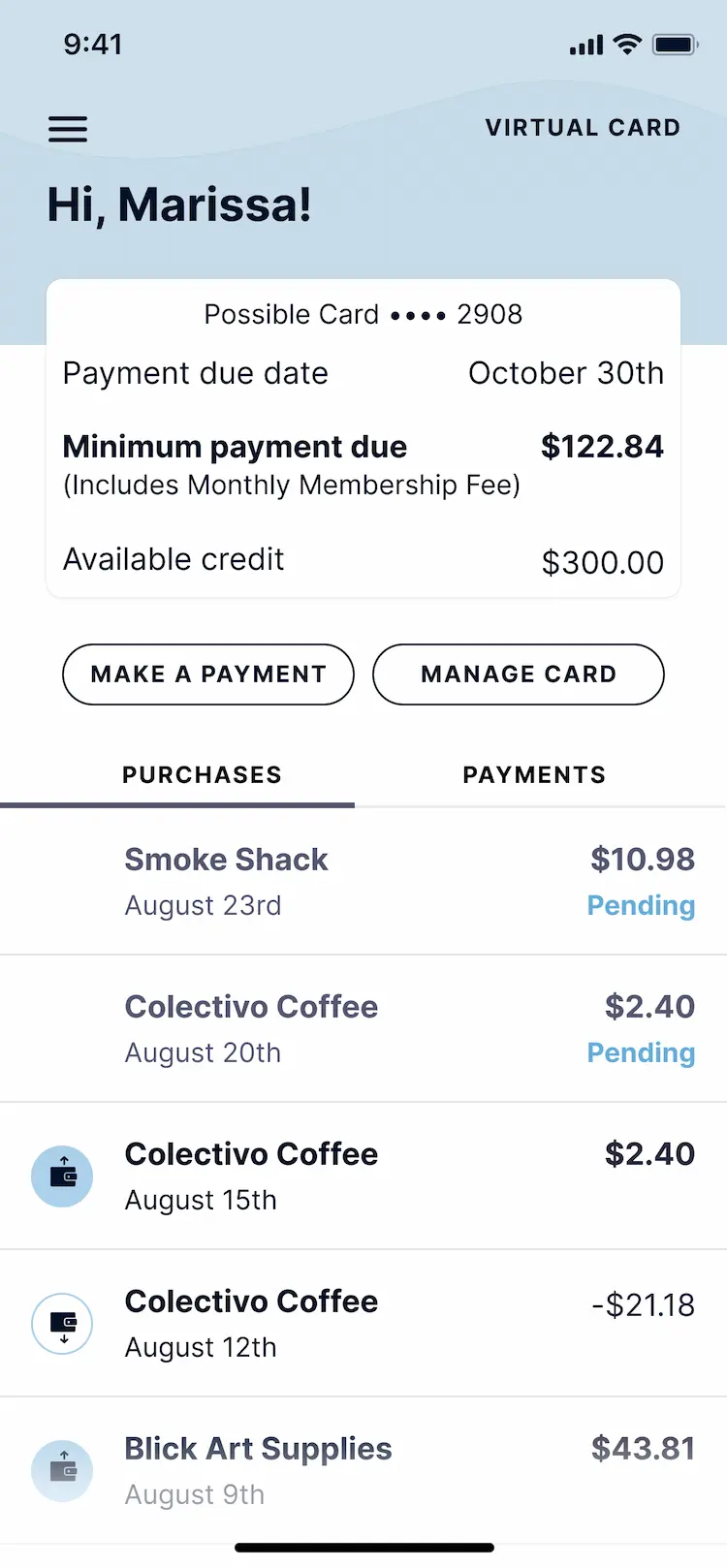
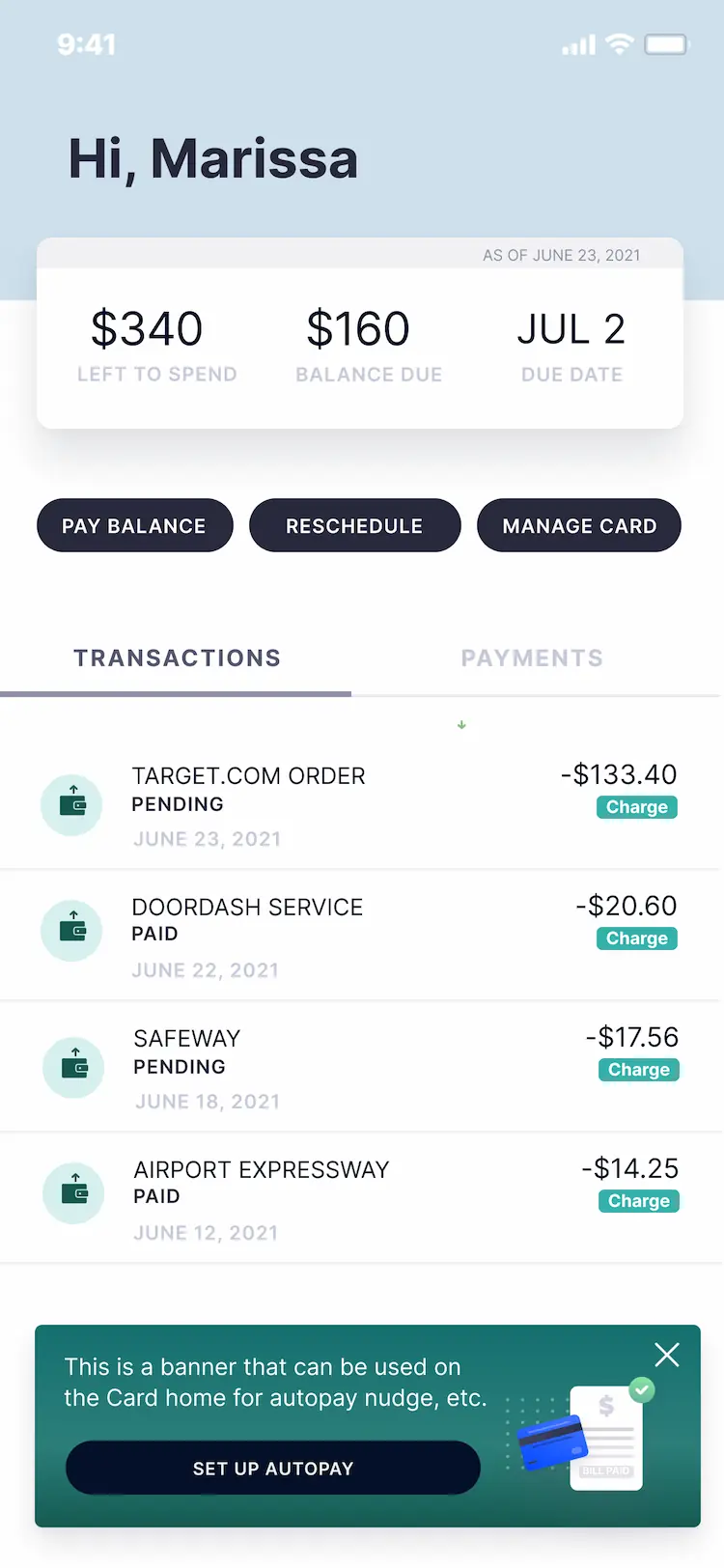
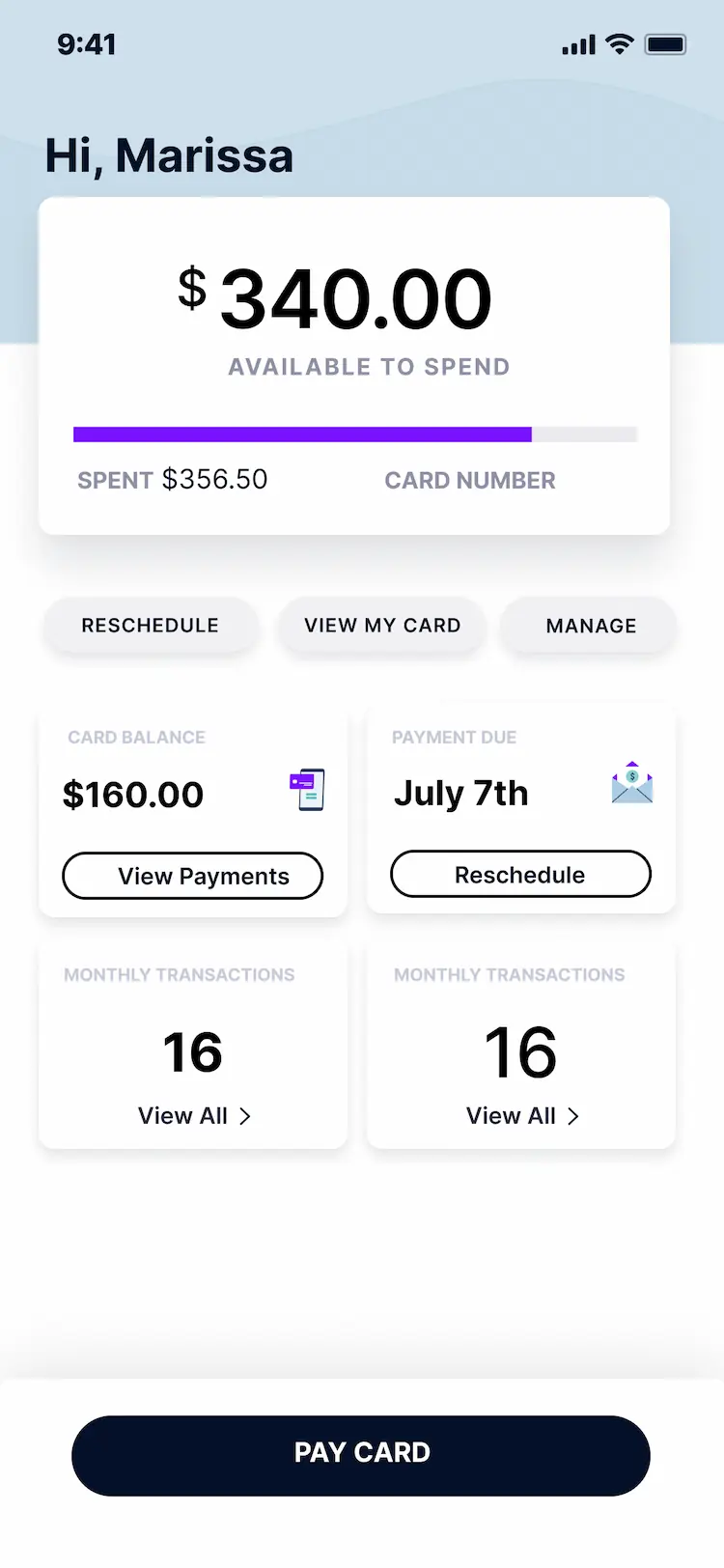
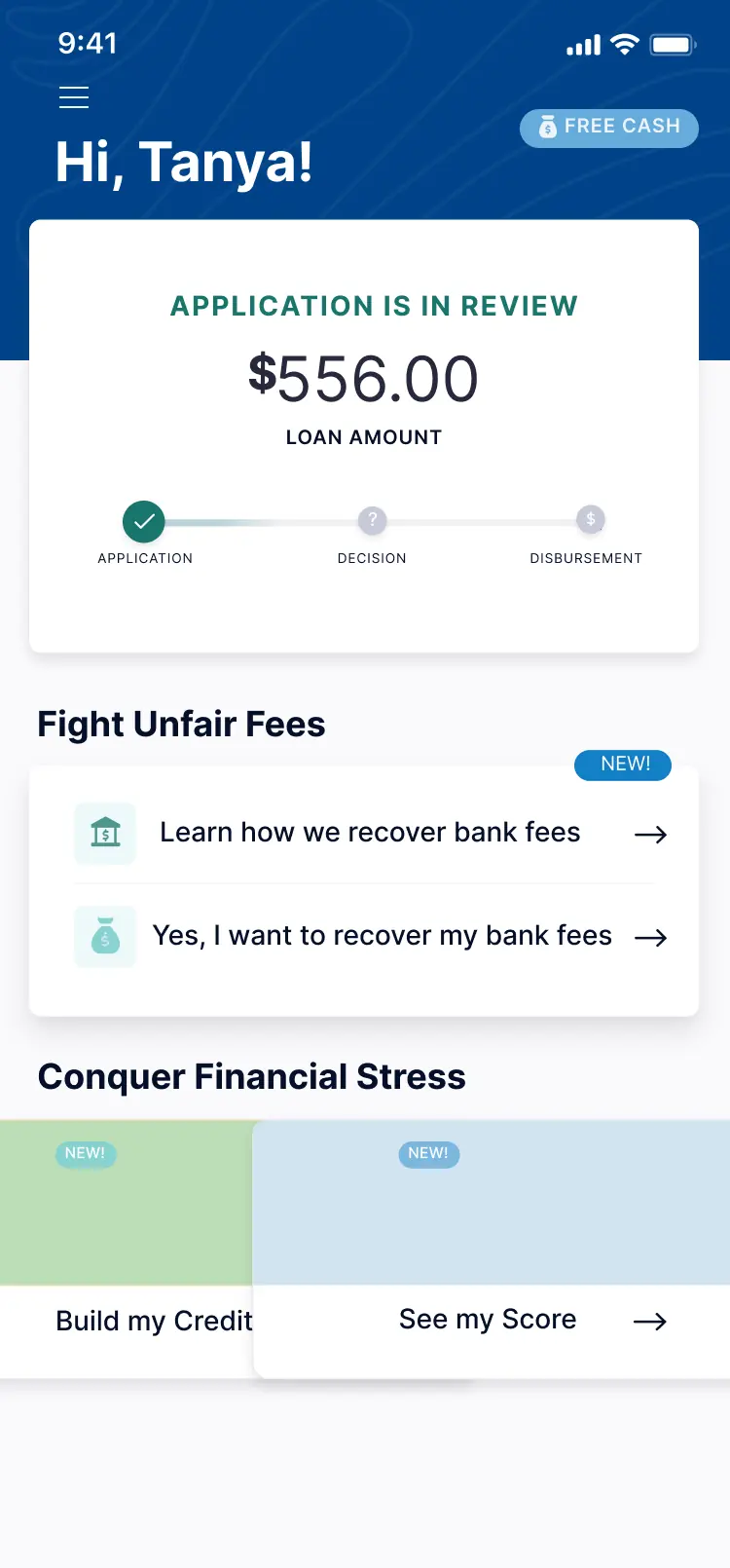
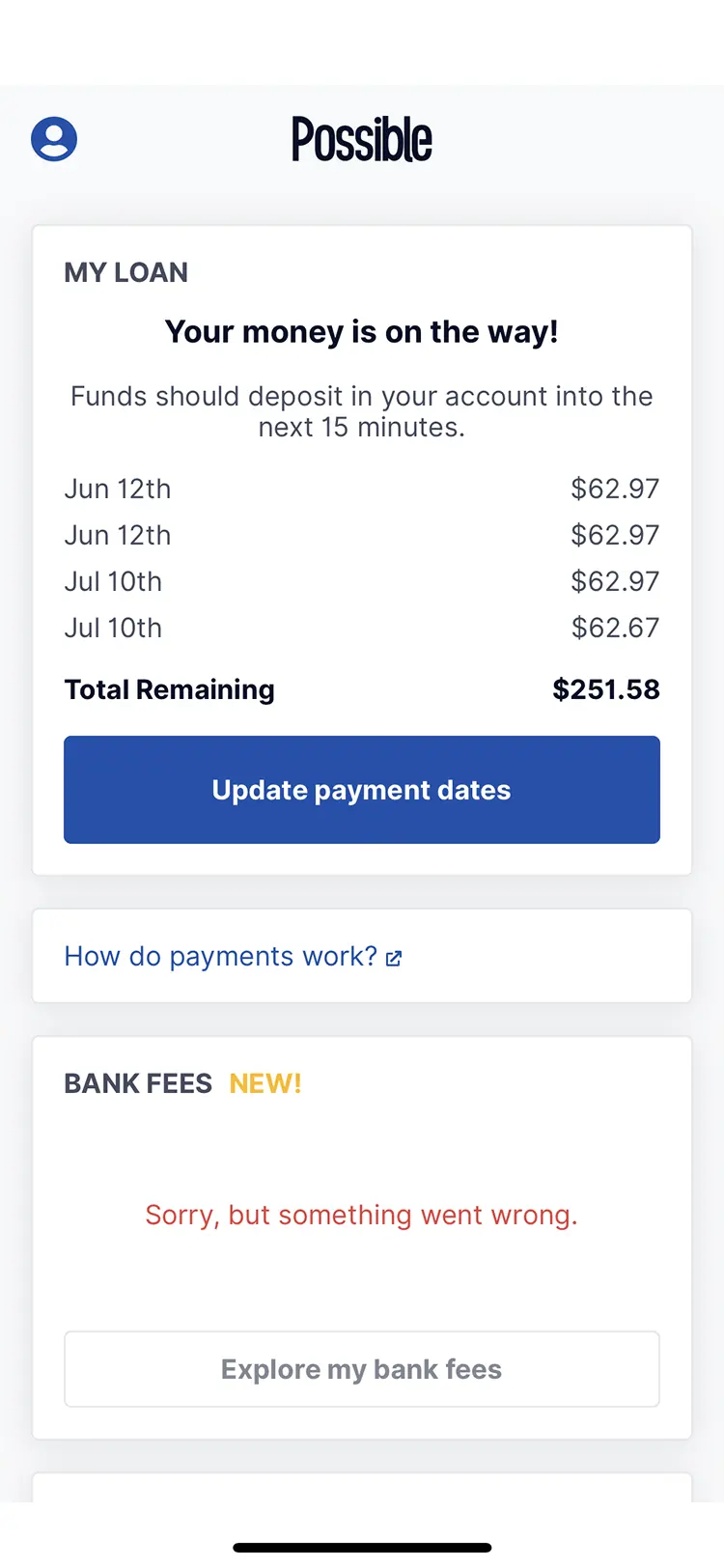
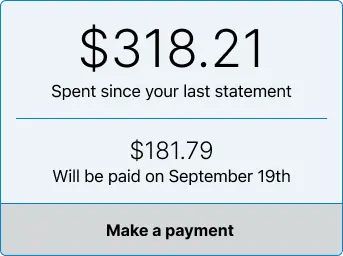
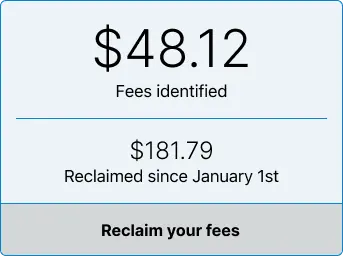
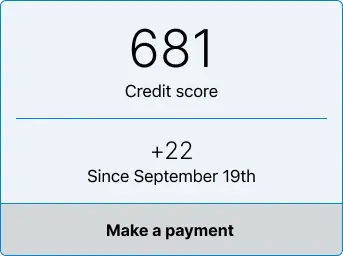
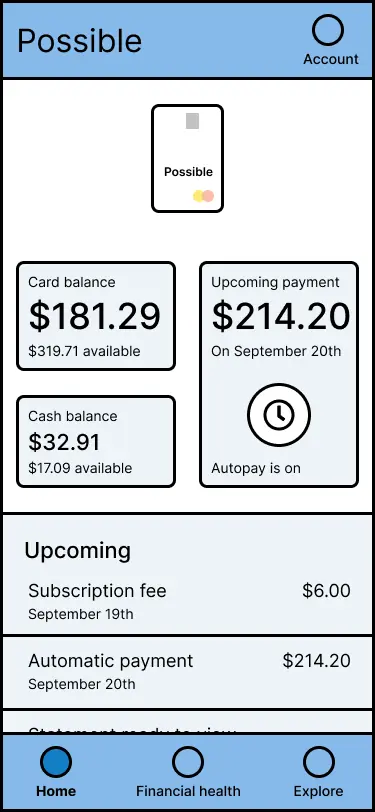
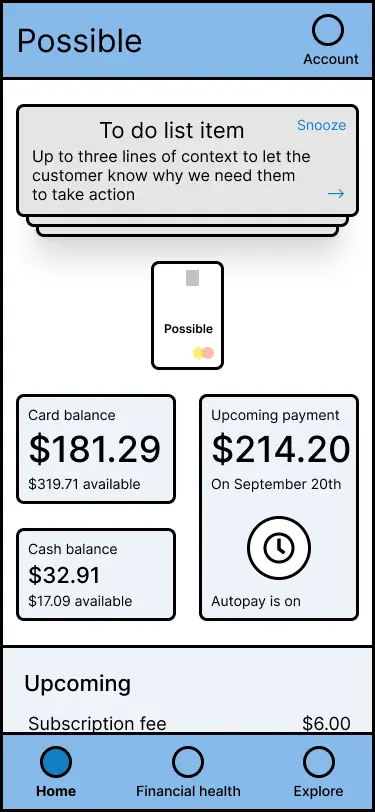
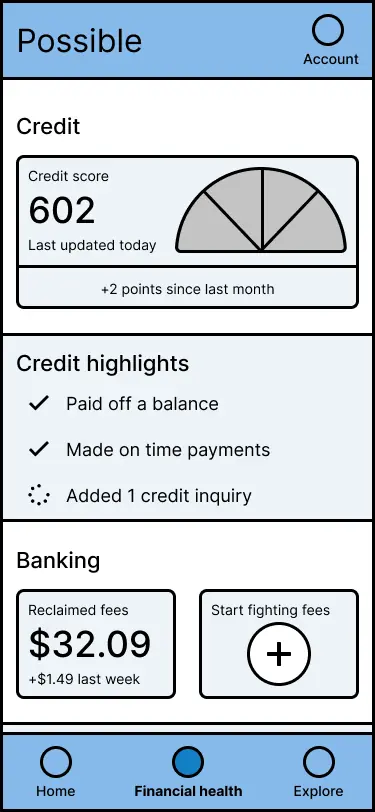
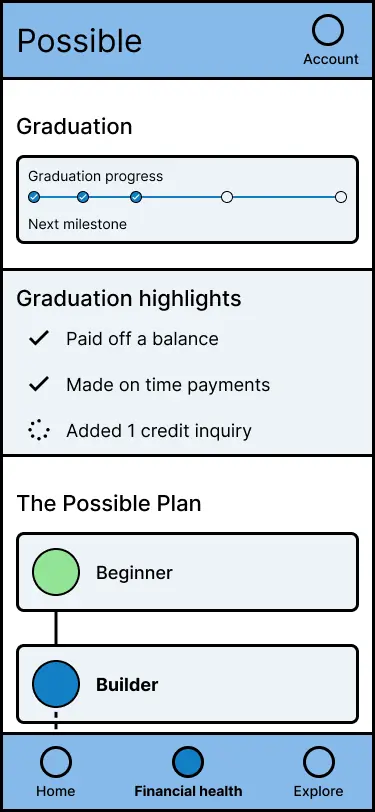
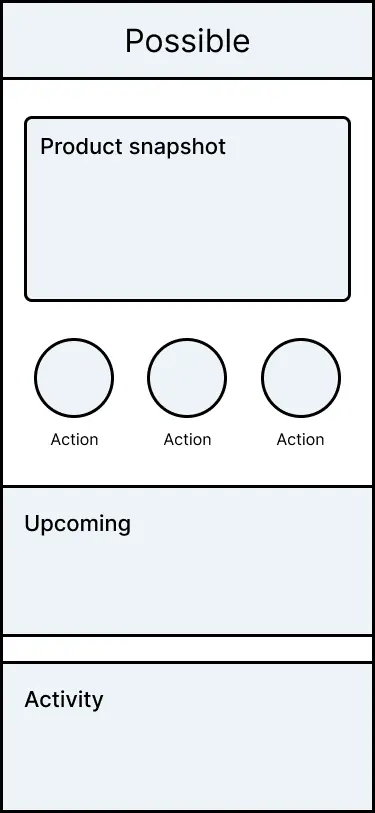
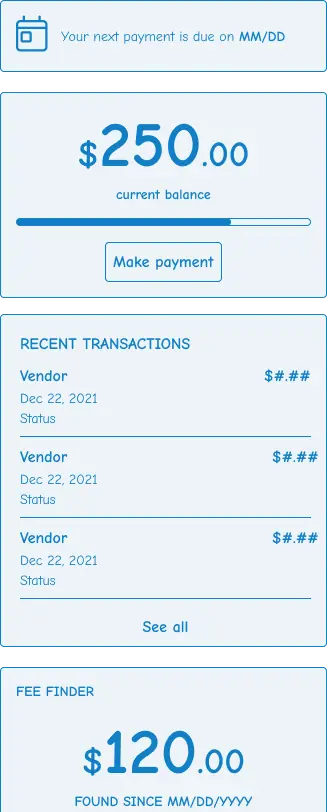
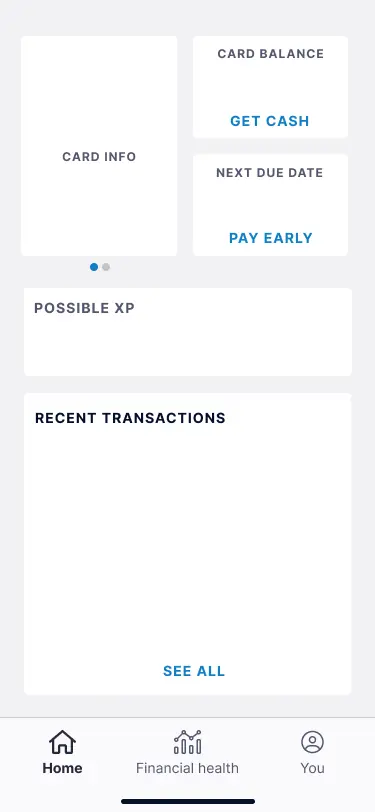
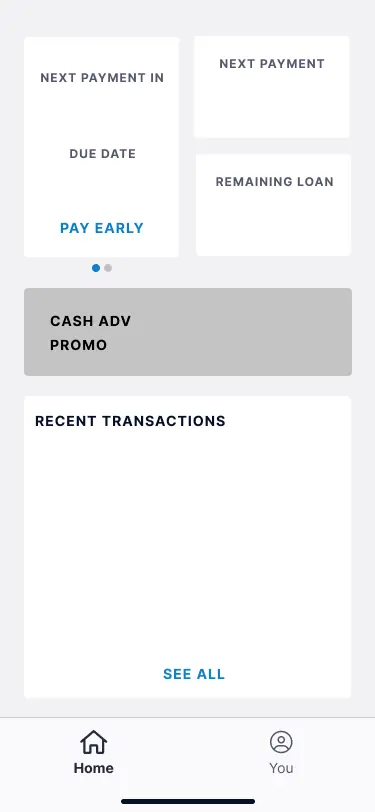
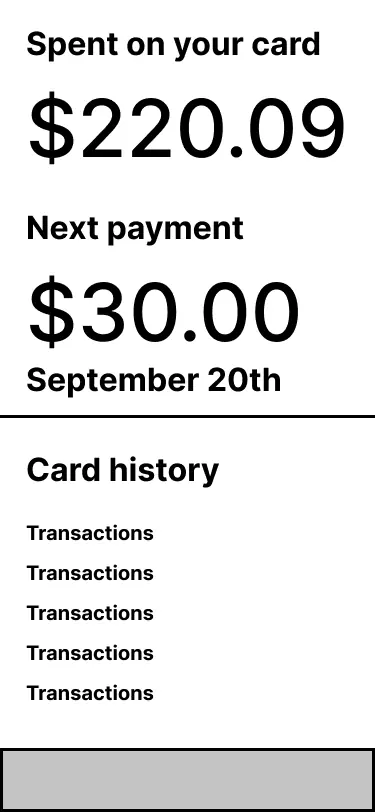
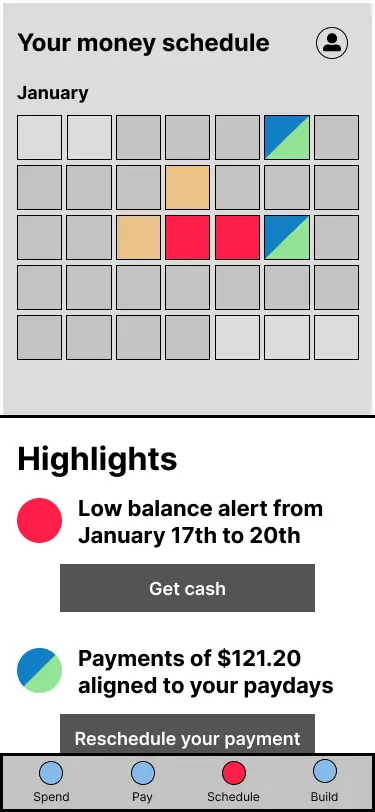
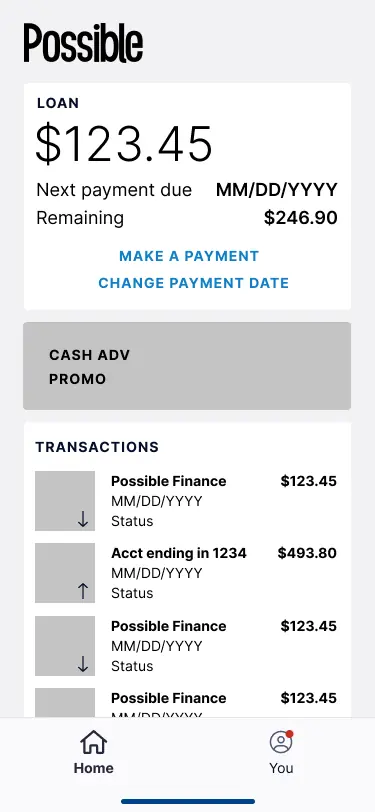
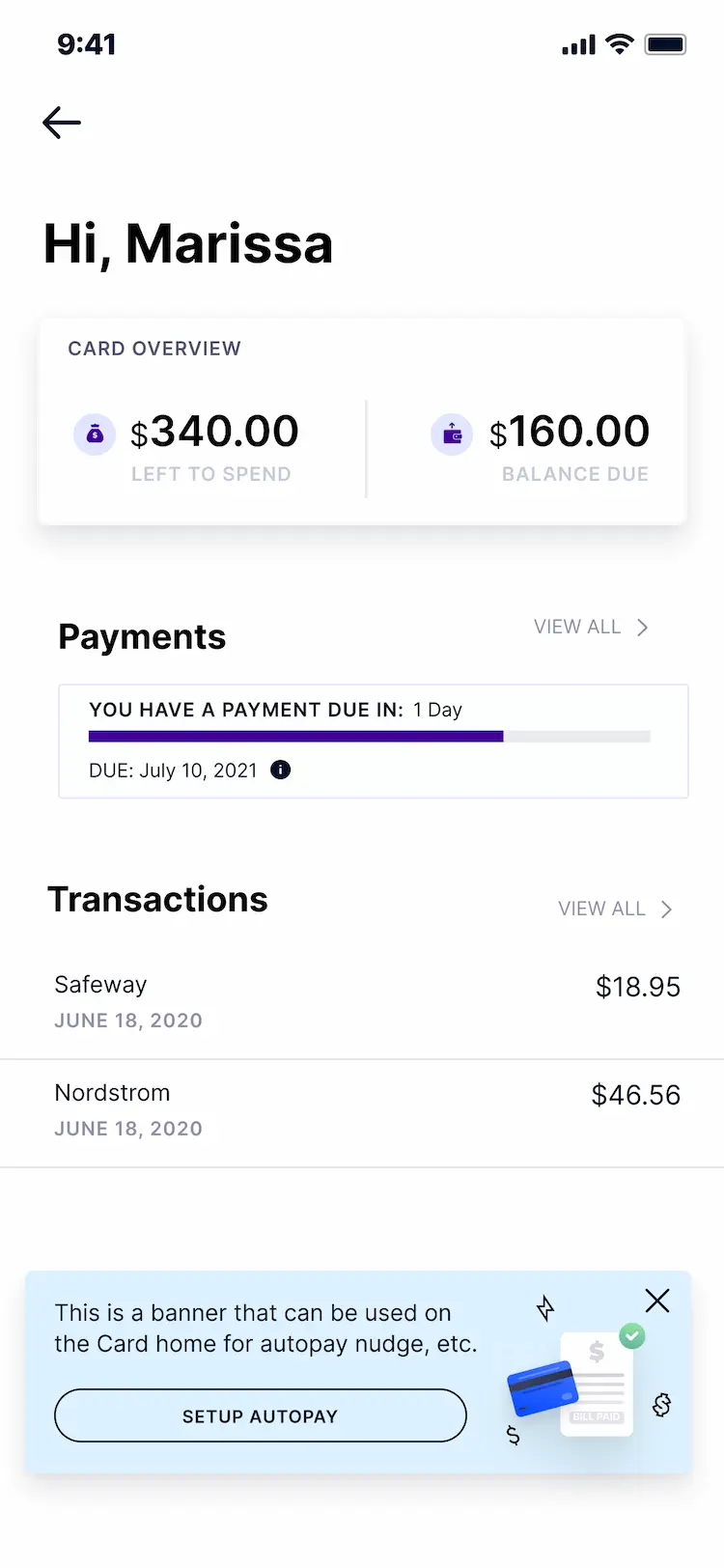
We created a new dashboard to support more than one product.

Our customer satisfaction increased from 58% to 84%.

Portfolio

Super.com

Mobile app (iOS/Android)

An all-in-one app to save money, get a cash advance, earn rewards and build credit.

See the case study

Product Design

Research

Service Design

Kohl's

Cart and Checkout (Web)

A new way to shop online and save products for later at a major department store.

See the case study

CX Design

Usability testing

Responsive design

Possible

Credit card + App (iOS/Android)

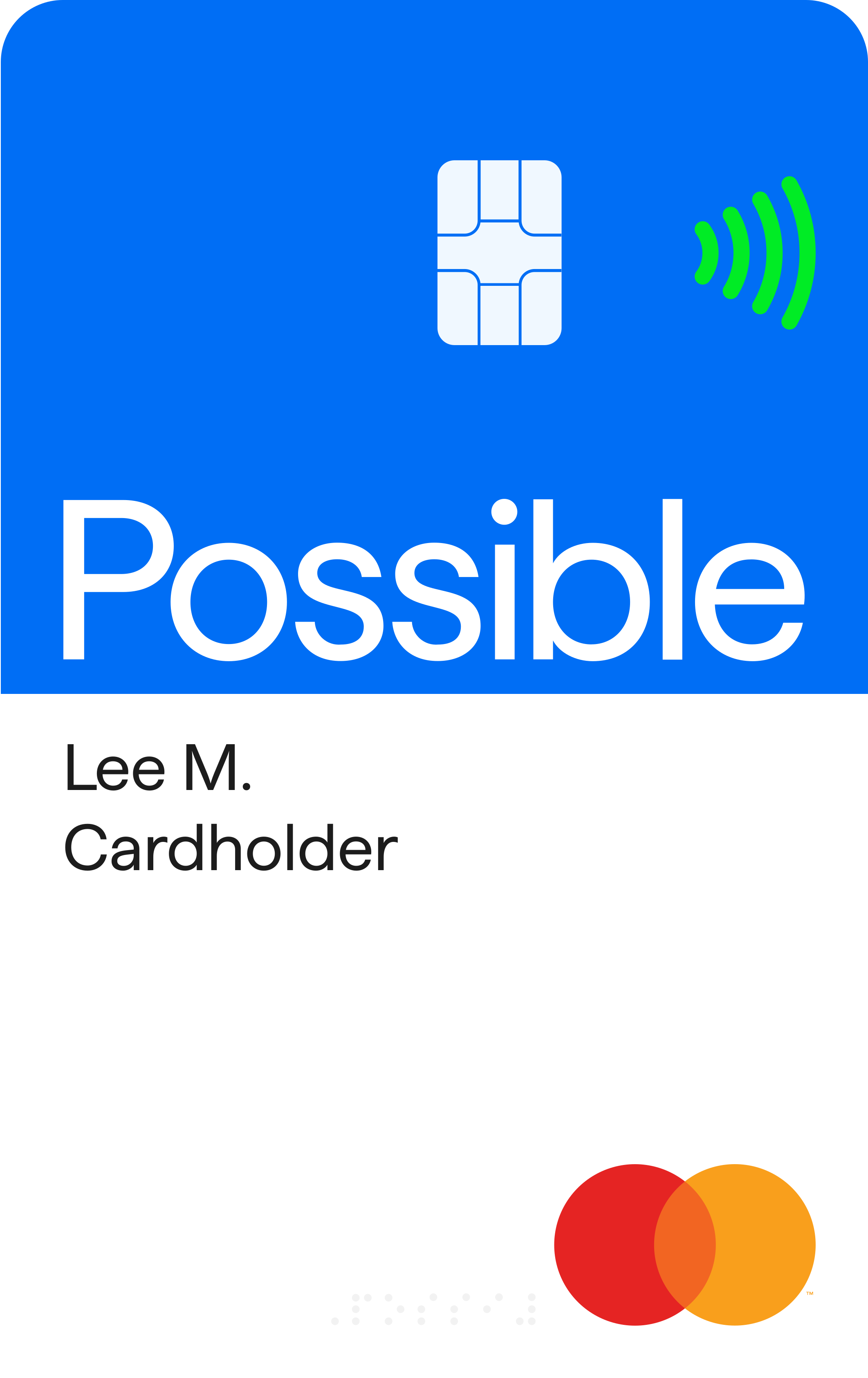
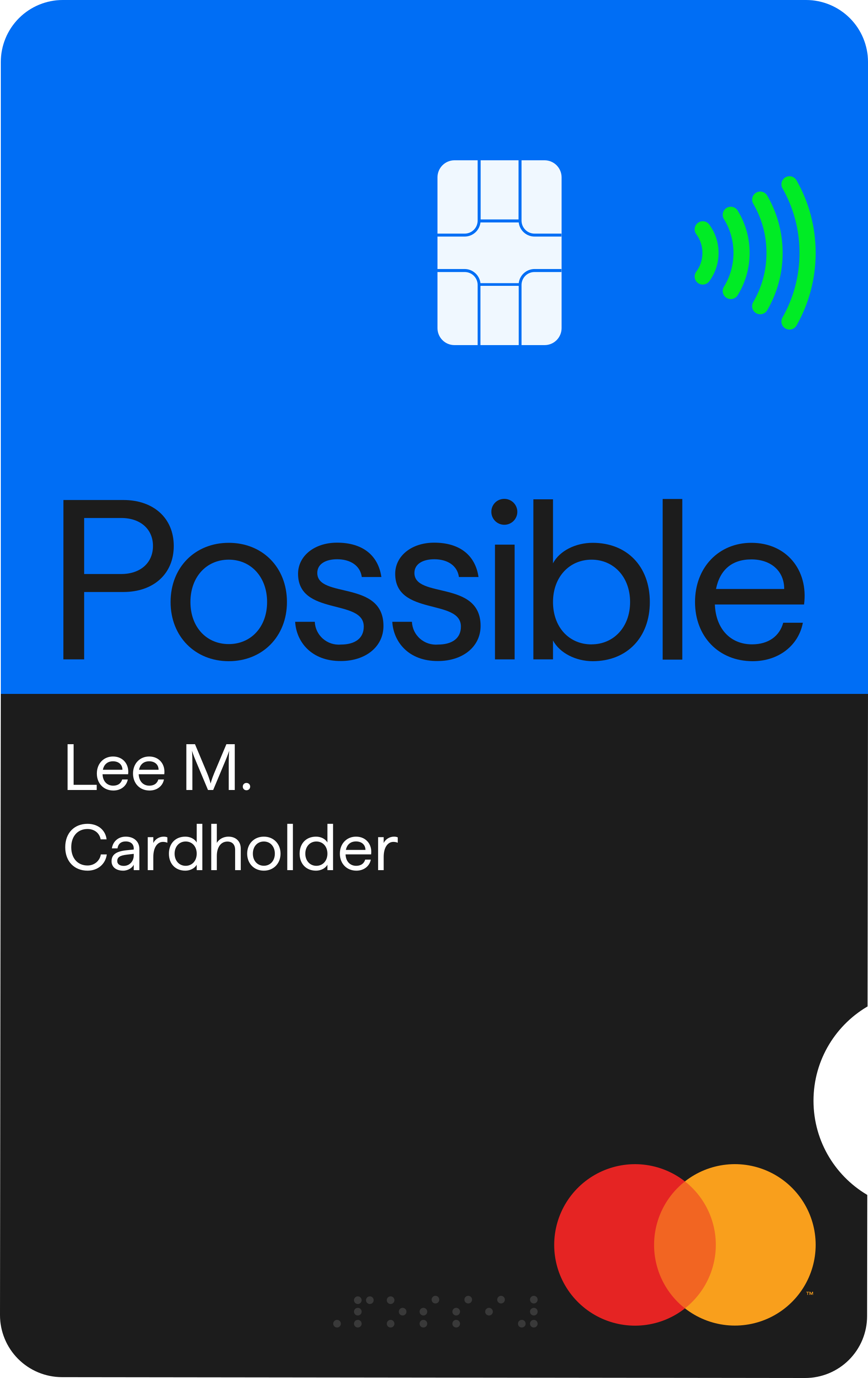
A credit card designed to break the Pay Day Loan cycle and built credit.

See the case study

Product Design

Lean UX

Launching 0 - 1

Nationwide

Mobile app (iOS/Android)

A new way to manage policies, money and claims online.

See the case study

UX Design

Design systems

Project management