Summary

Project overview

Problem space

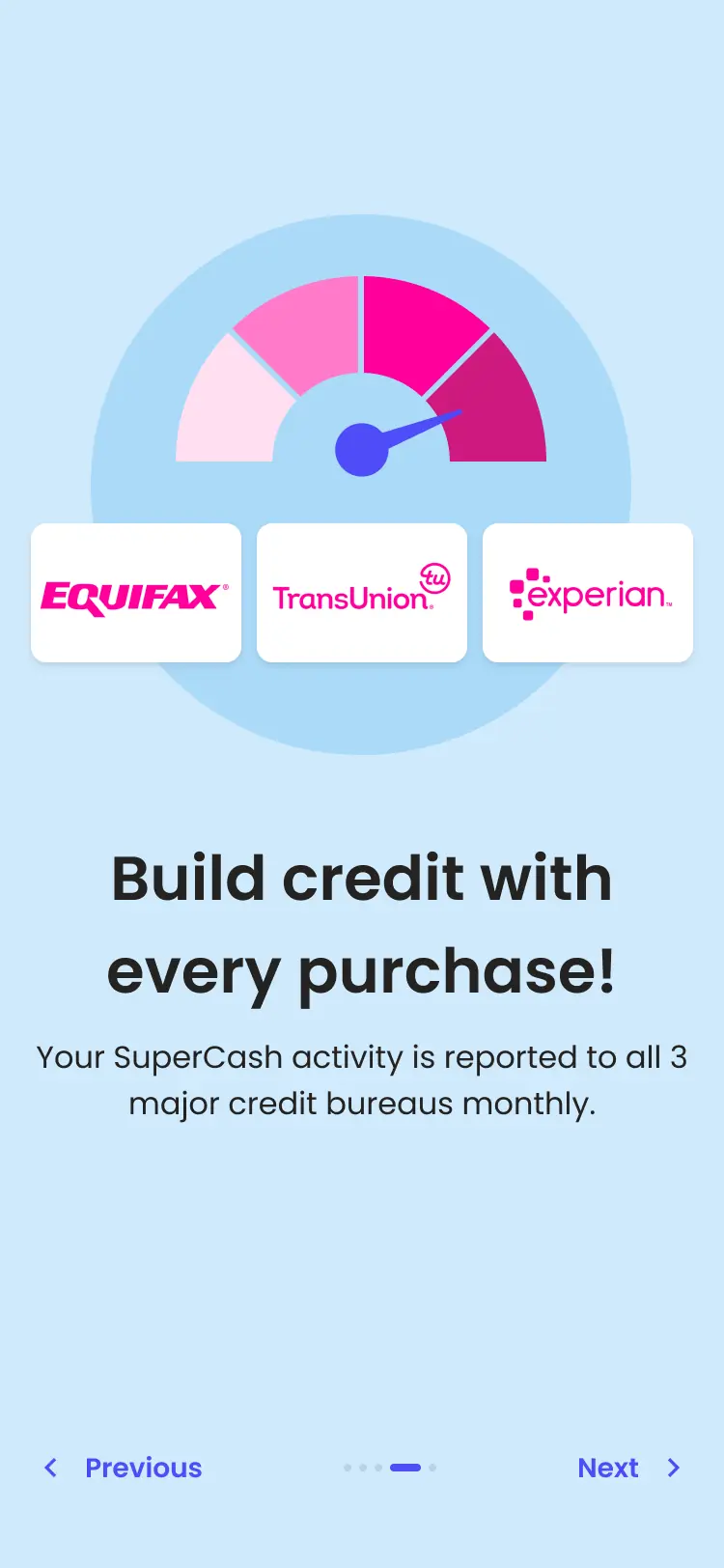
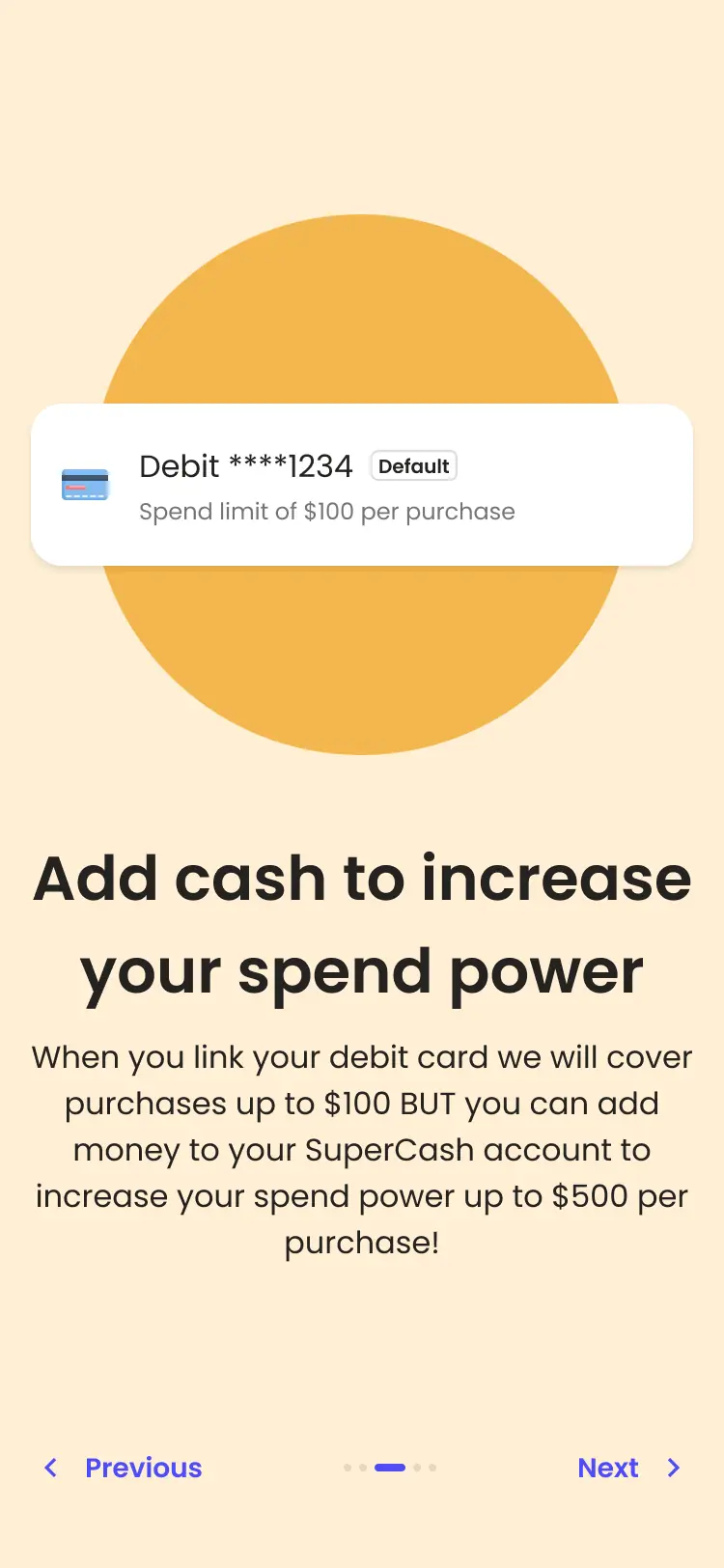
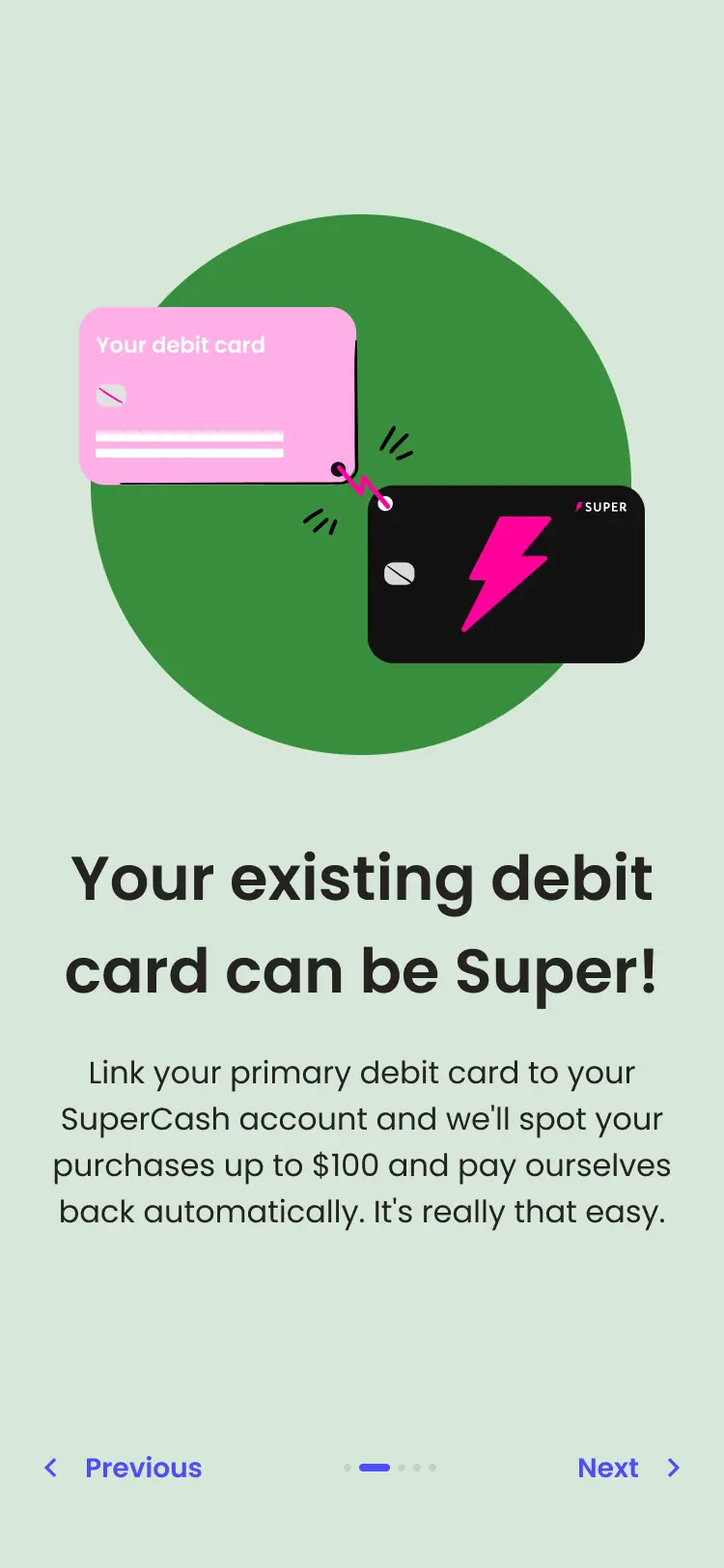
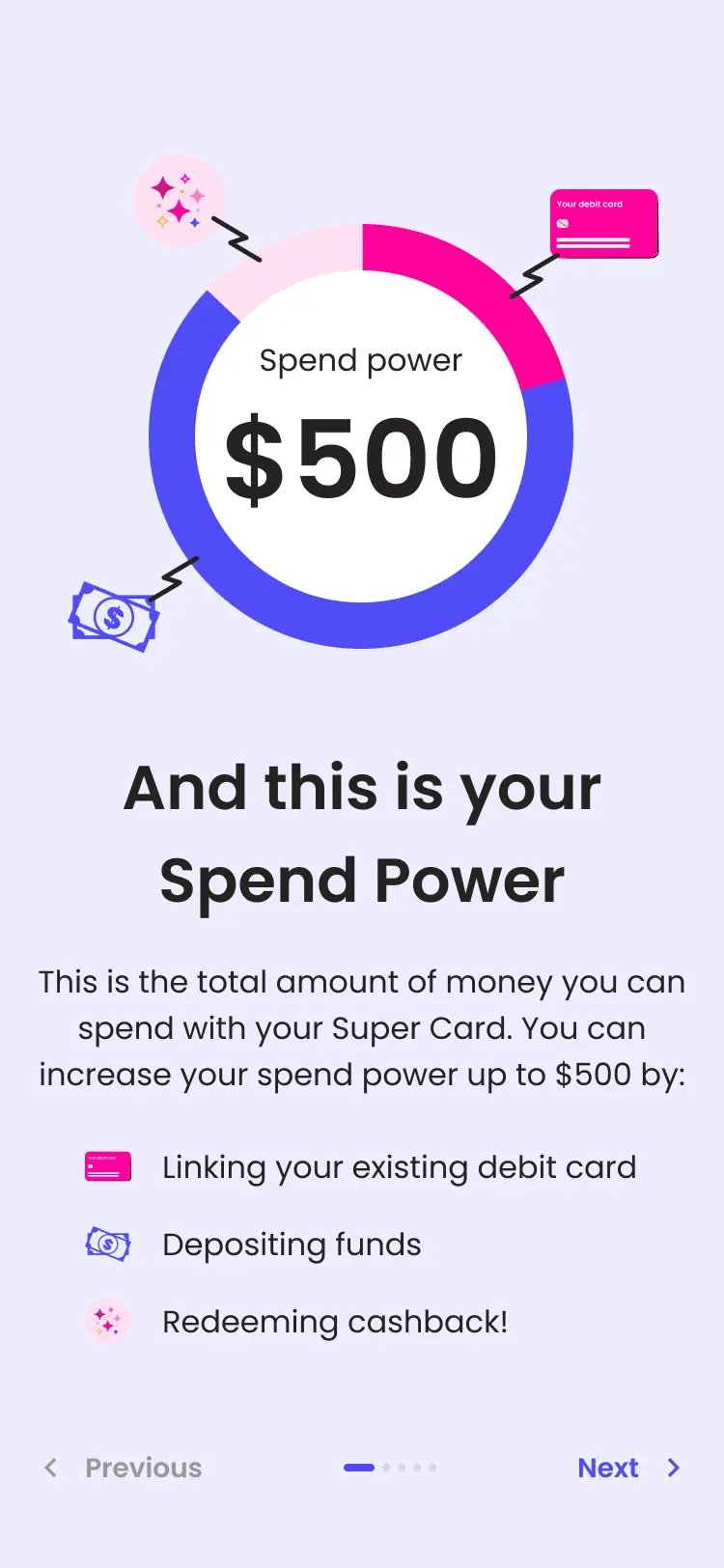
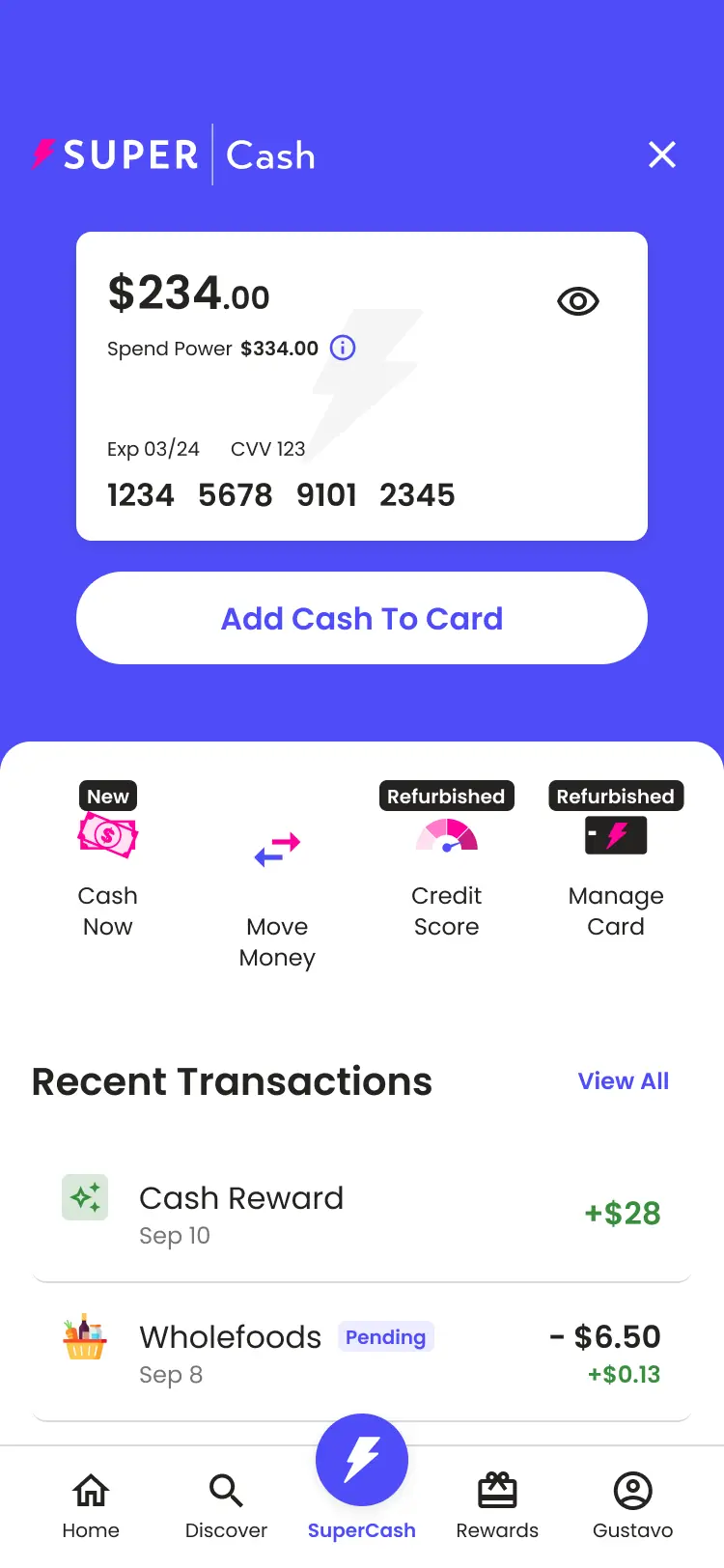
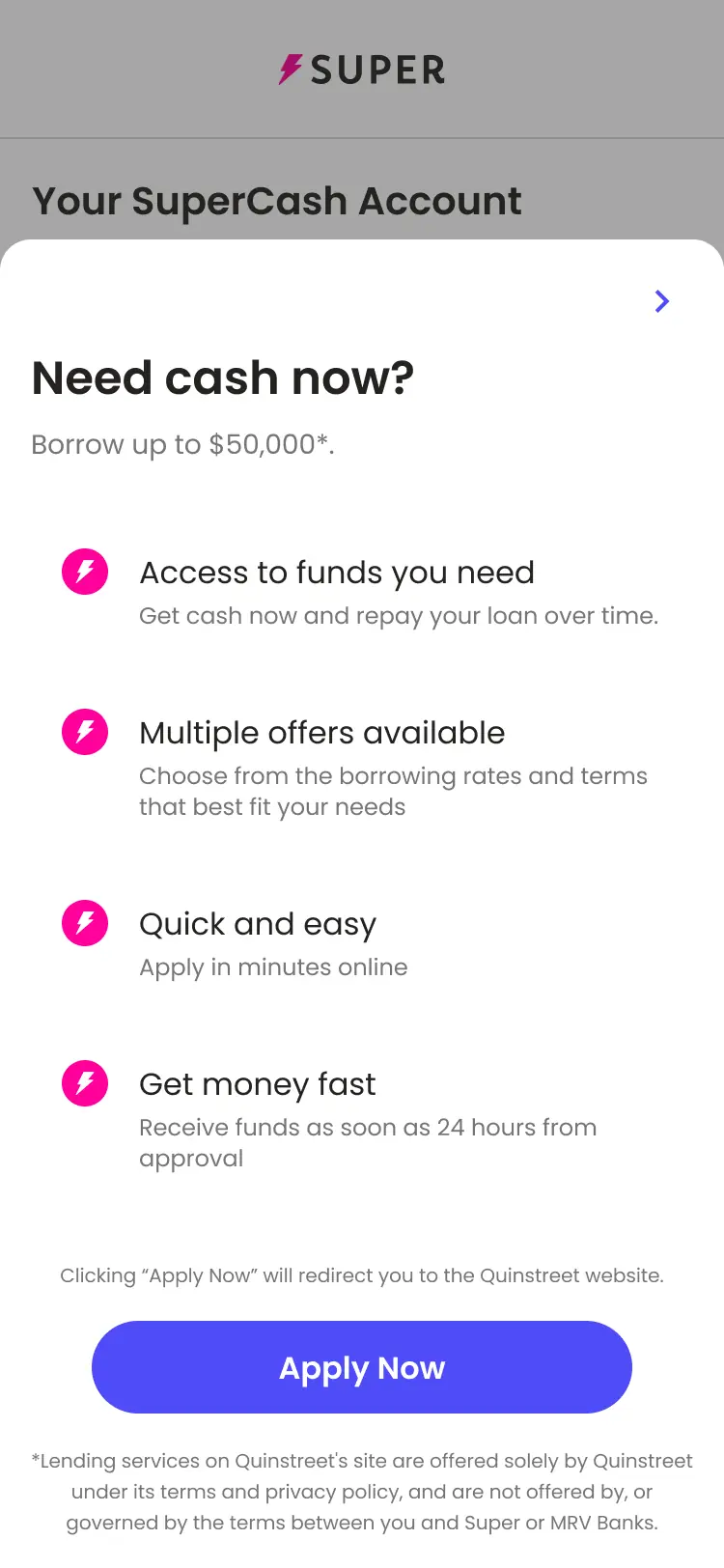
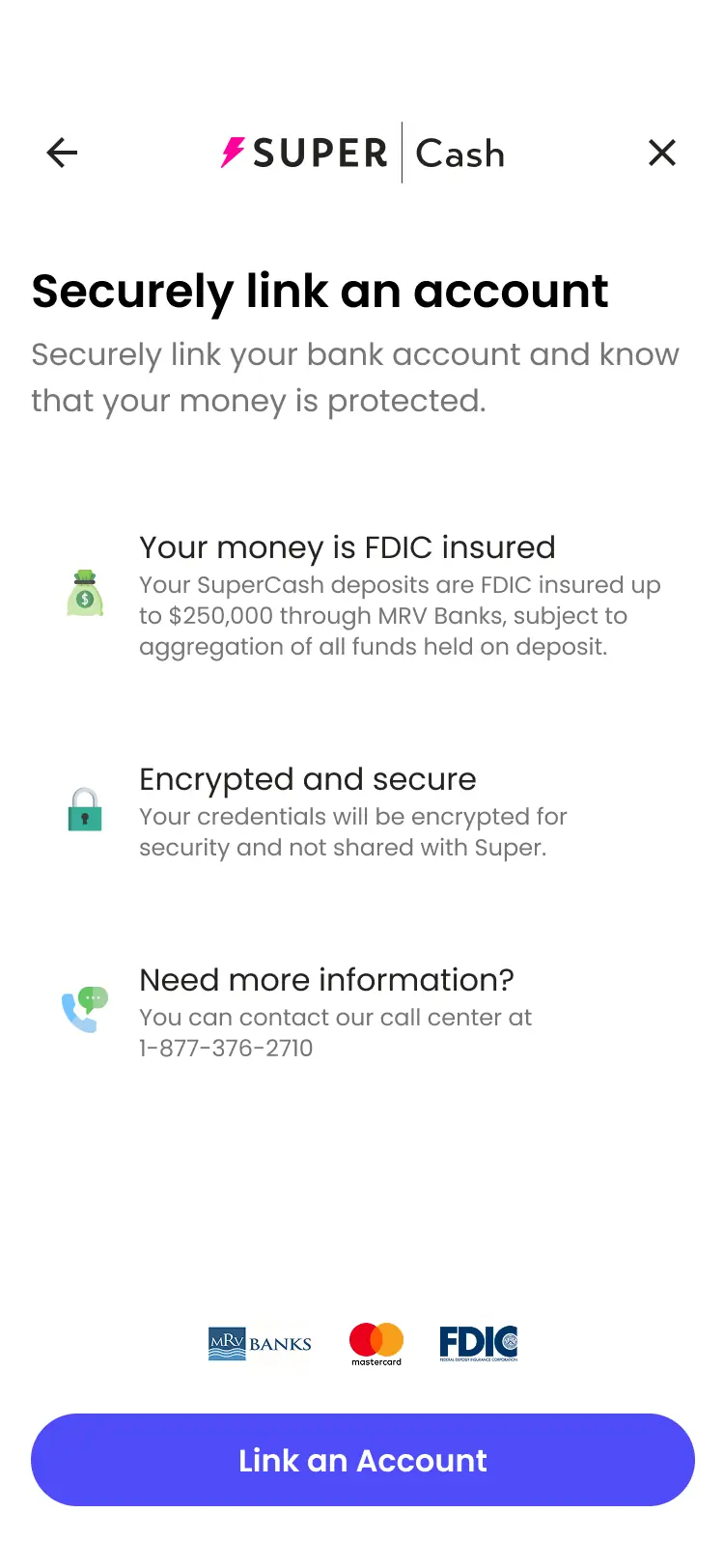
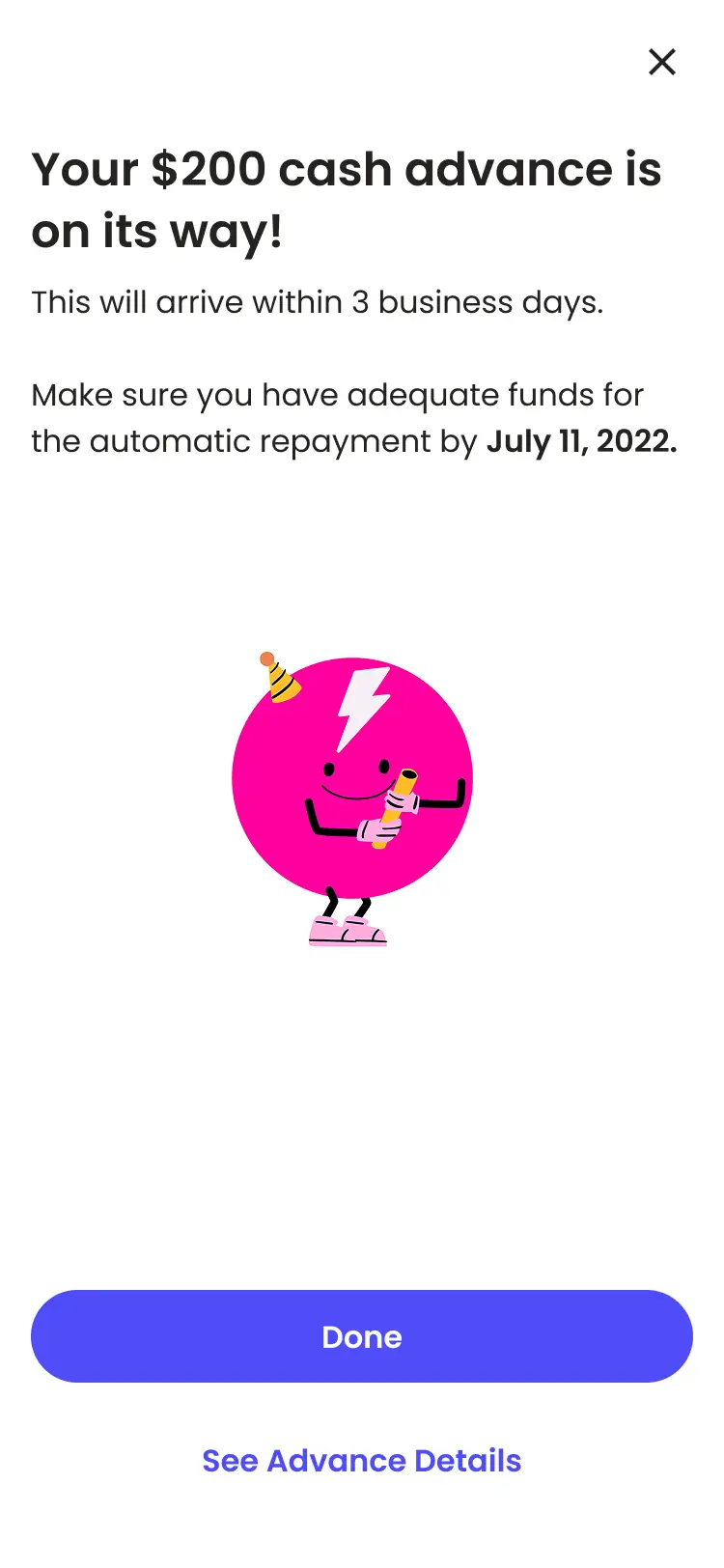
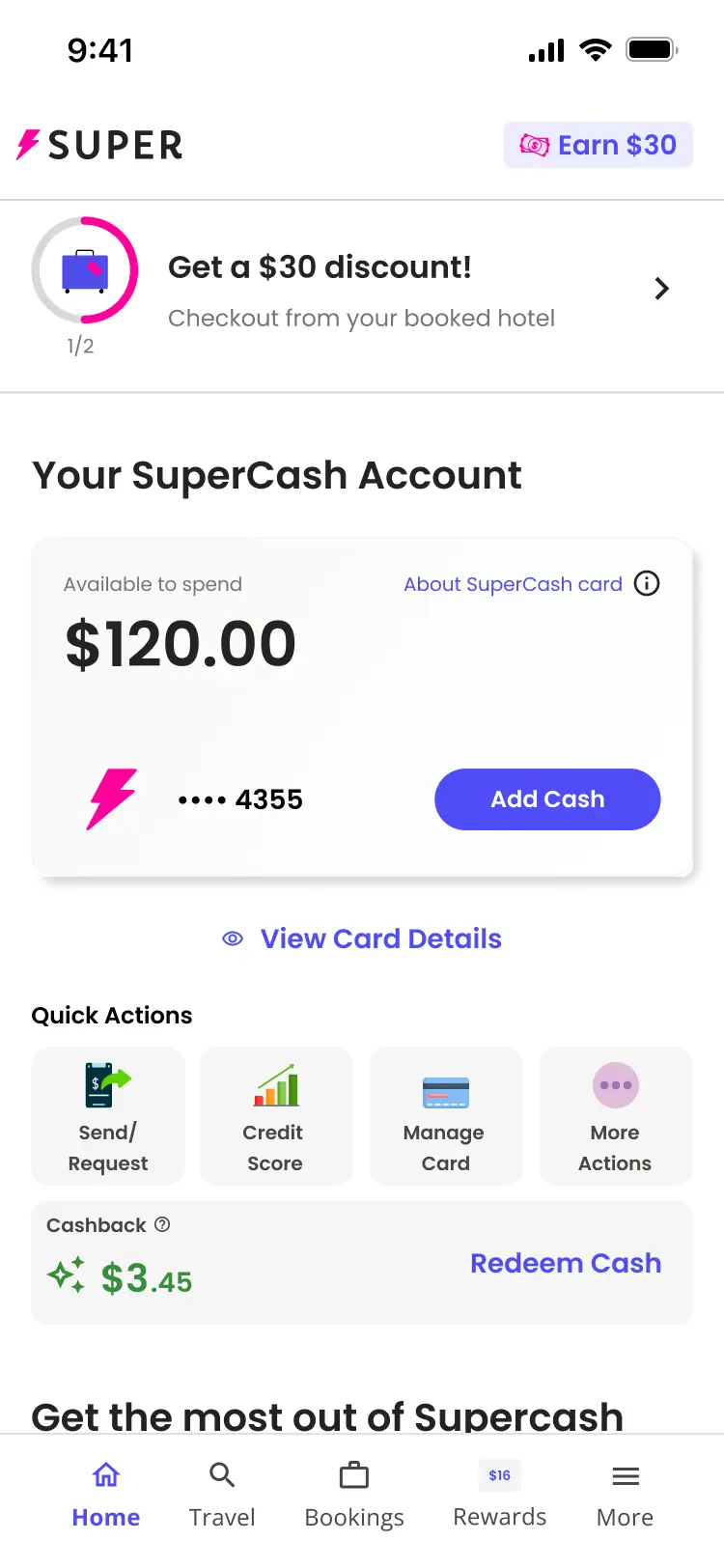
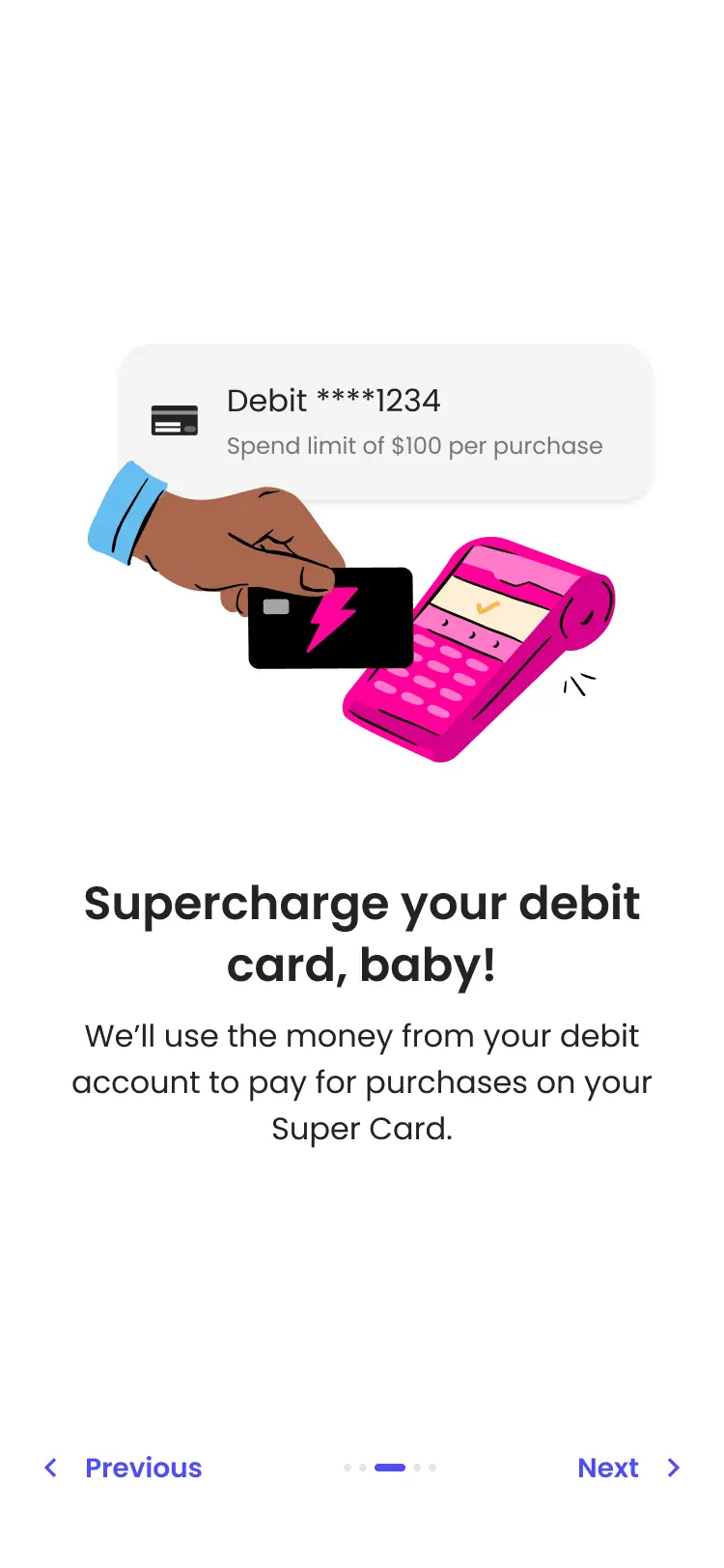
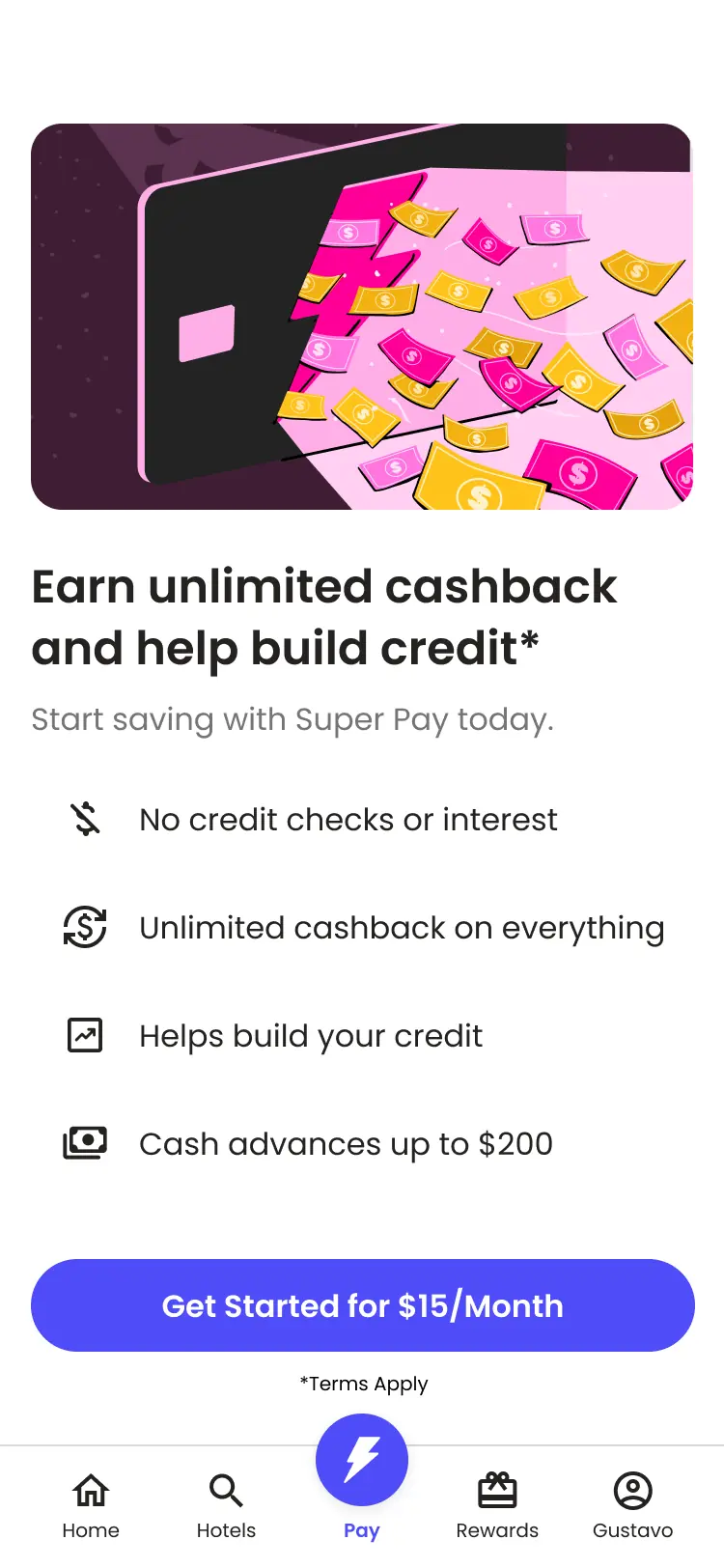
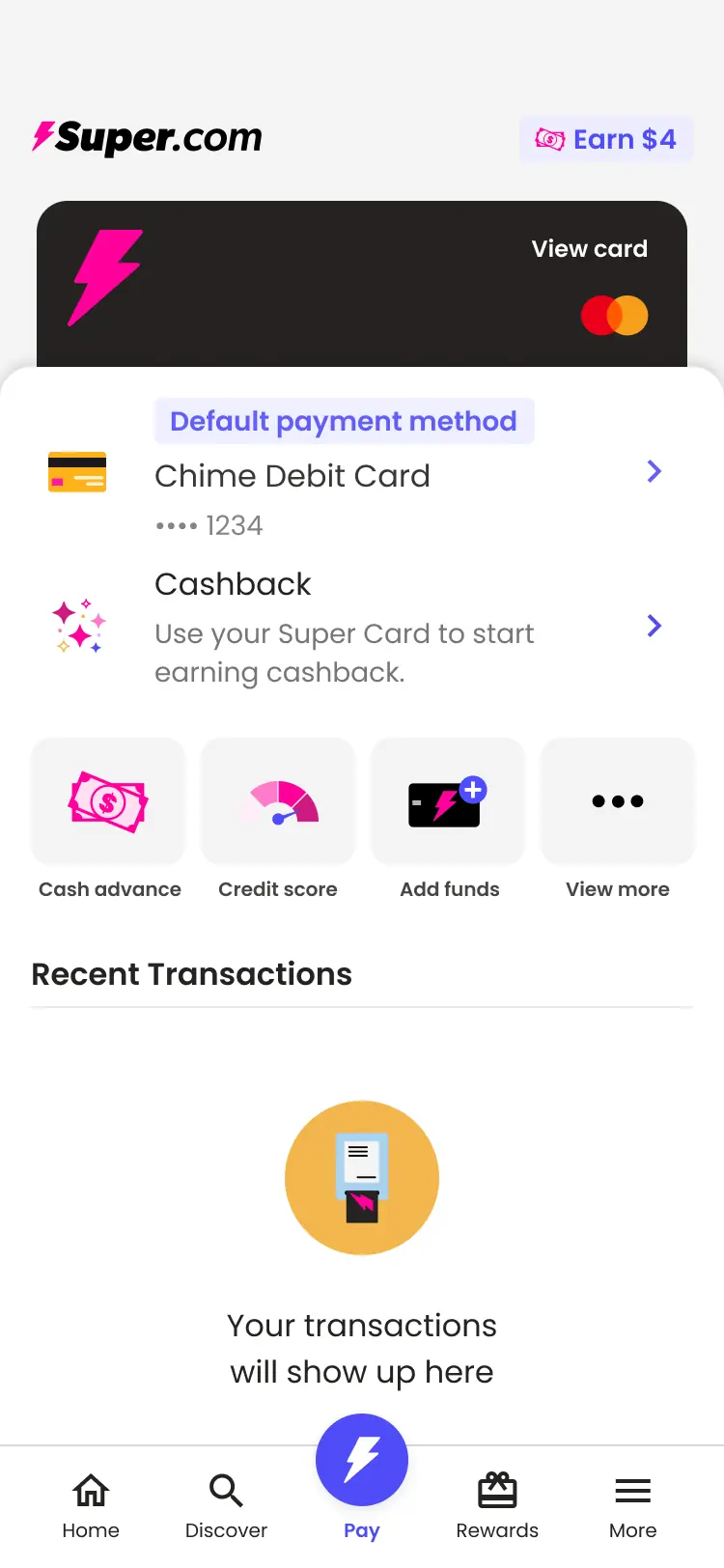
With a core product in place, the business pivoted to focus on retention. By talking to customers, we found the problems that stood in our way was our customer's lack of understanding around how the product works and how different Super.com products relate to each other.

Team

Super.com is broken out into a number of pods or Mission Aligned Teams (MATs). My team was focused on Money Movement - getting a cash advance, spending money on the Super Card and building credit. We had 1 Product Manager, 1 Design Lead (me) and 1 Engineering lead.

I was the only person on our UX team that was communicating with 7 separate development teams, the design leadership team and our business leaders (including the Chief Marketing Officer).

Metrics

  • Month-over-month retention
  • Customer satisfaction
  • Repayment rates

My role

As a Senior Product Designer I translated our travel-focused brand guidelines and design system to new Fintech experiences. I was responsible for leading stakeholders through design reviews and verifying our assumptions with usability testing, surveys or customer interviews.

Timeline

Ongoing for 18+ months but this case study focuses on about 2 months of work.

Deliverables

  • Wireframes from Axure
  • Information architecture diagrams
  • Billable hours for the team (provided weekly)

We had a core product but our retention numbers were sliding.

The business shifted focus to retaining customers.

Our initial focus was getting the experiment out and launching a cash advance product. Once we had a user base, we could shift our focus to improving the product.

The product worked but it wasn't very inspiring or clear.
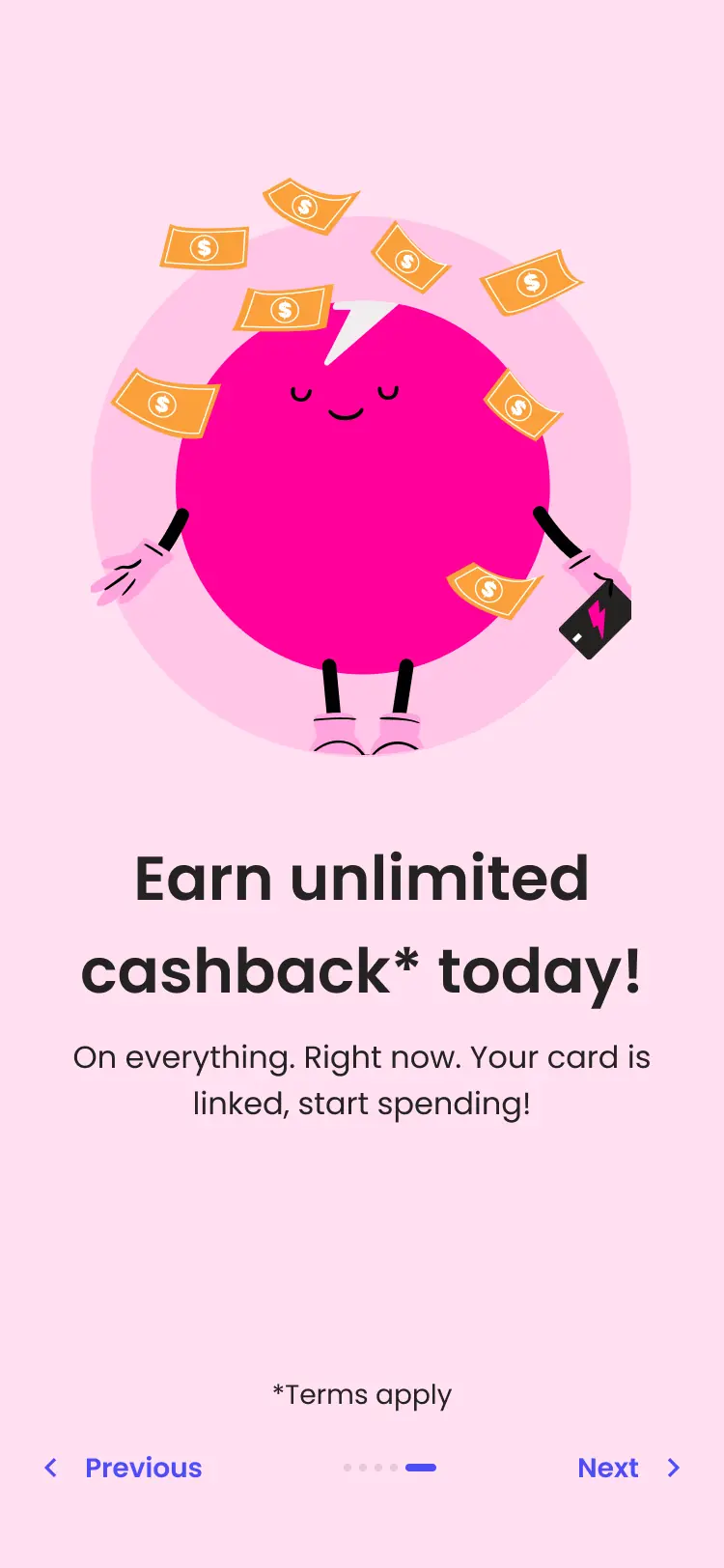
We heard from customers that they didn't understand our message.

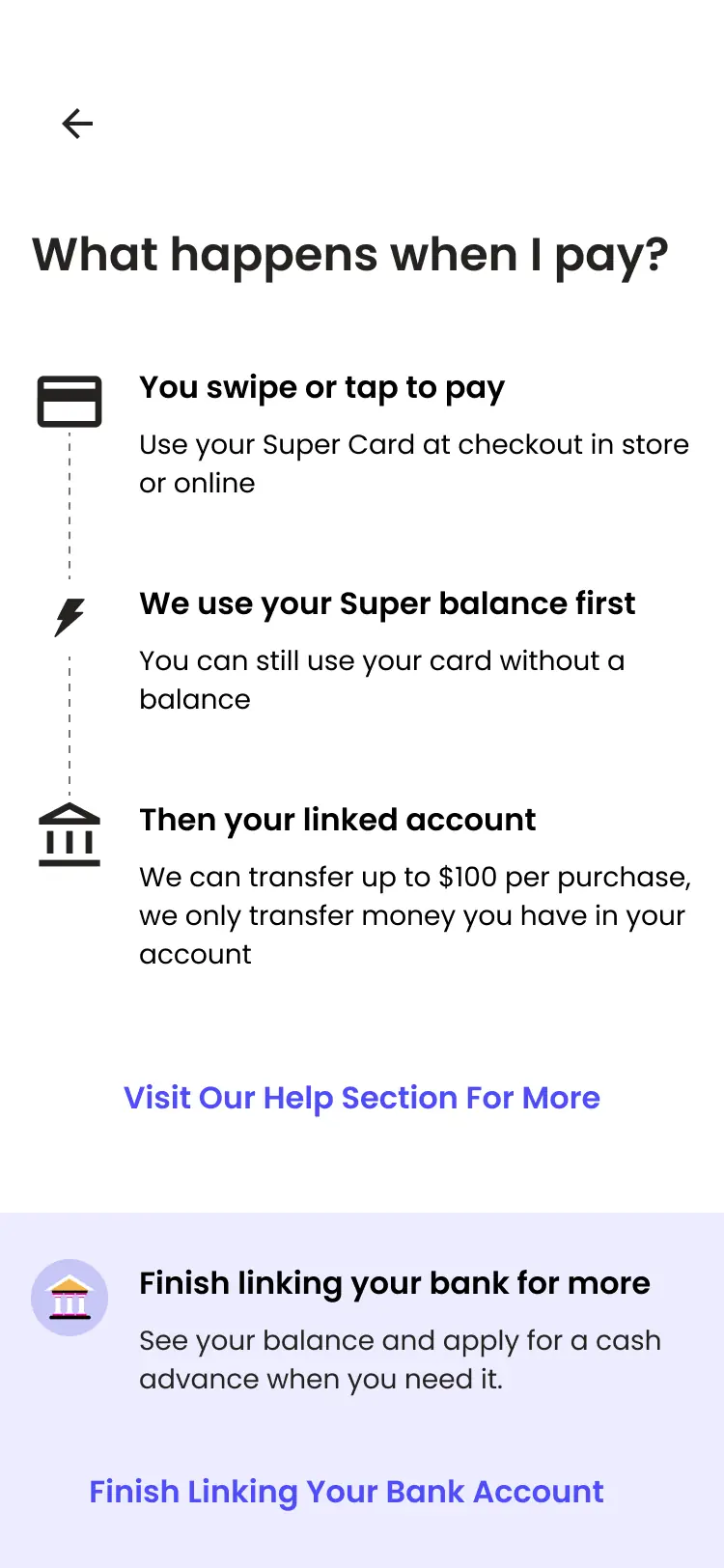
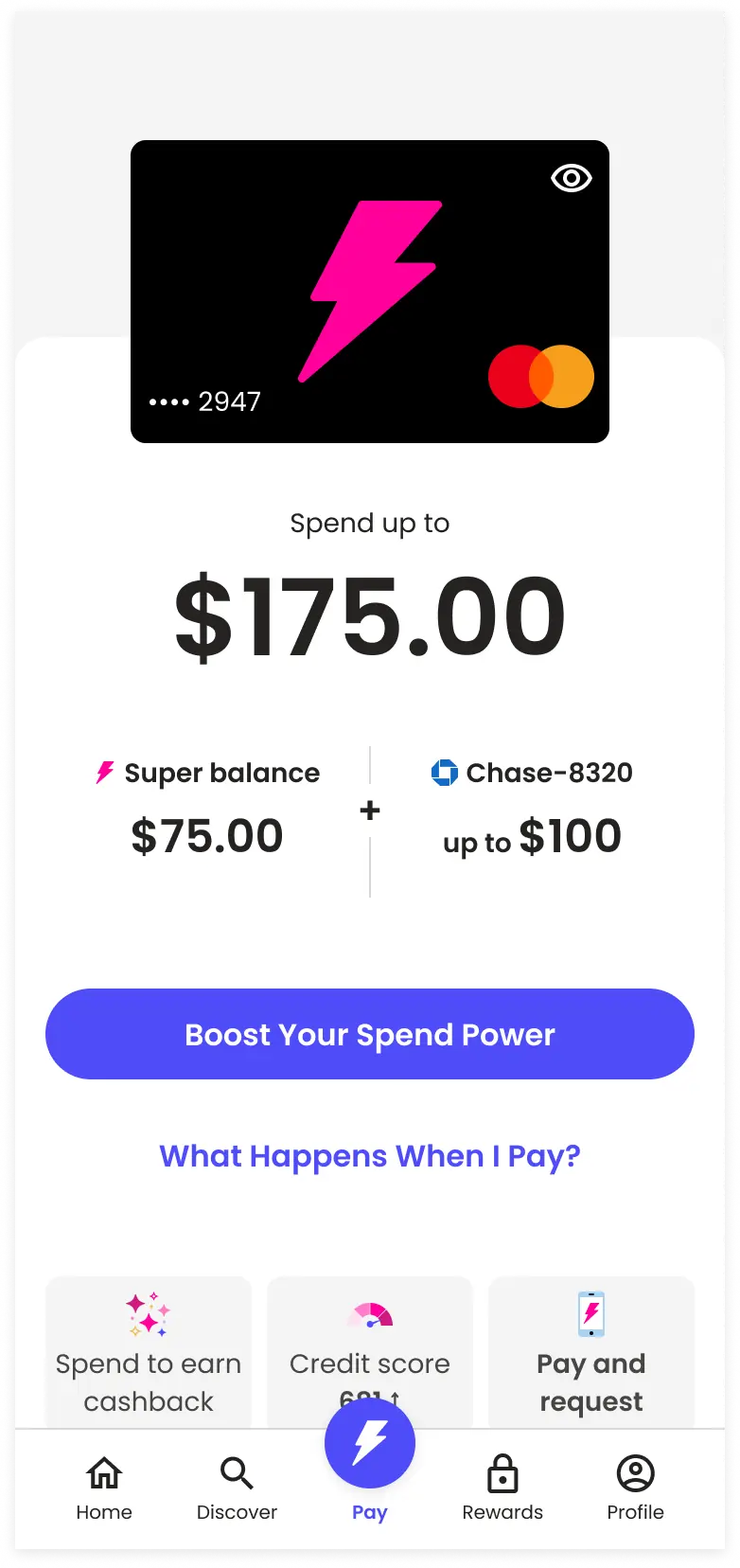
Customers didn't understand the difference between our products, how they fit together or how they work.

We had a dedicated User Research team (which I joined later). Consistent feedback we heard was "I don't understand how these products fit together or how the cash advance works".

We talked with customer support to find the biggest pain points.

Phone calls and chats showed us this was a pattern, not selection bias.

Our customer service teams categorized calls, chat messages and FAQ views. This gave us a way to quantify the feedback we were hearing in our interviews and usability tests.

Mapping the customer journey helped us understand context.

Telling a story without an overarching narrative wasn't working.

I started mapping the data, flows and customer journey so we could understand how the customer experiences the entire product.

Up to this point, each team was focused on small experiments for their individual products. Work started overlapping and it was difficult for anyone to understand what was actually live at any point in time.

Usability tests gave us confidence.

First we tested the idea, then we polished the implementation.

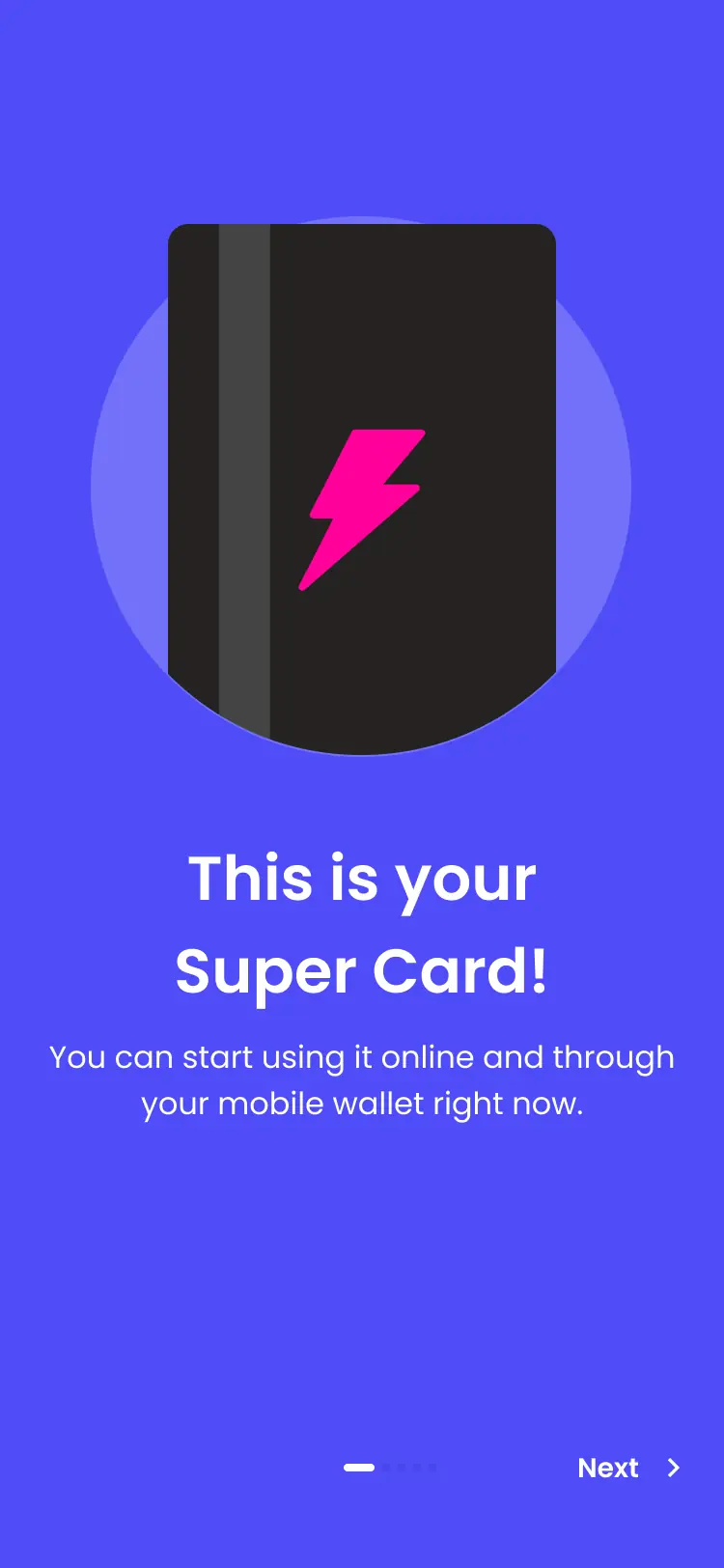
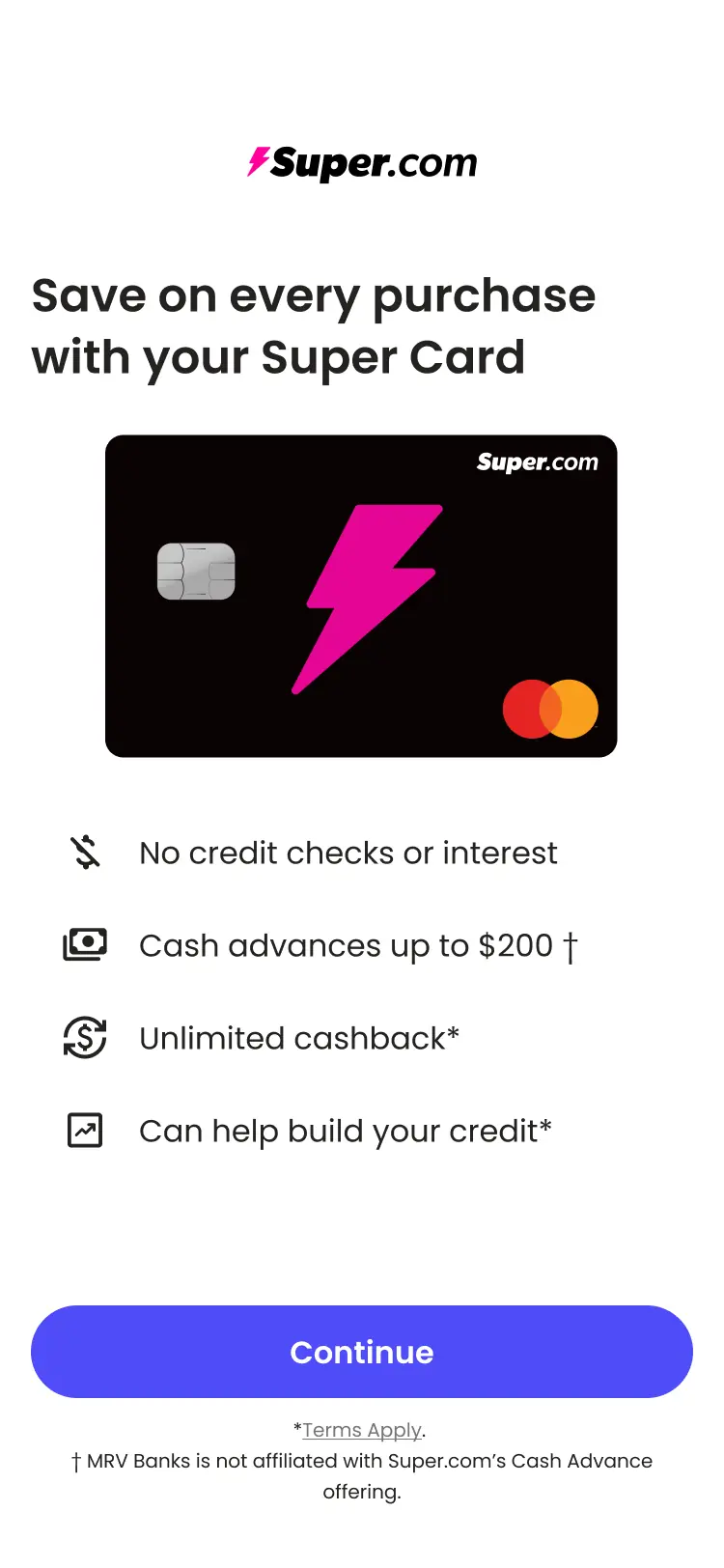
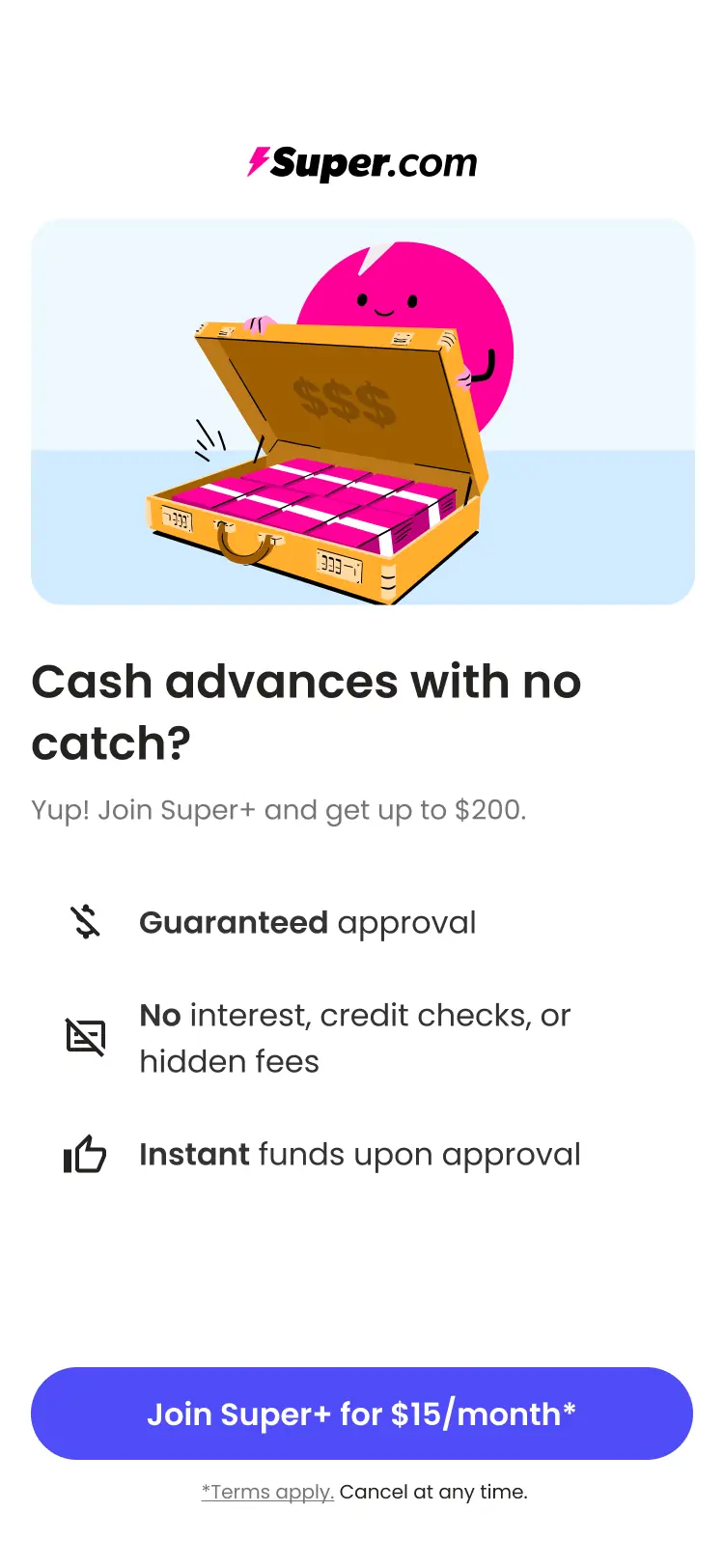
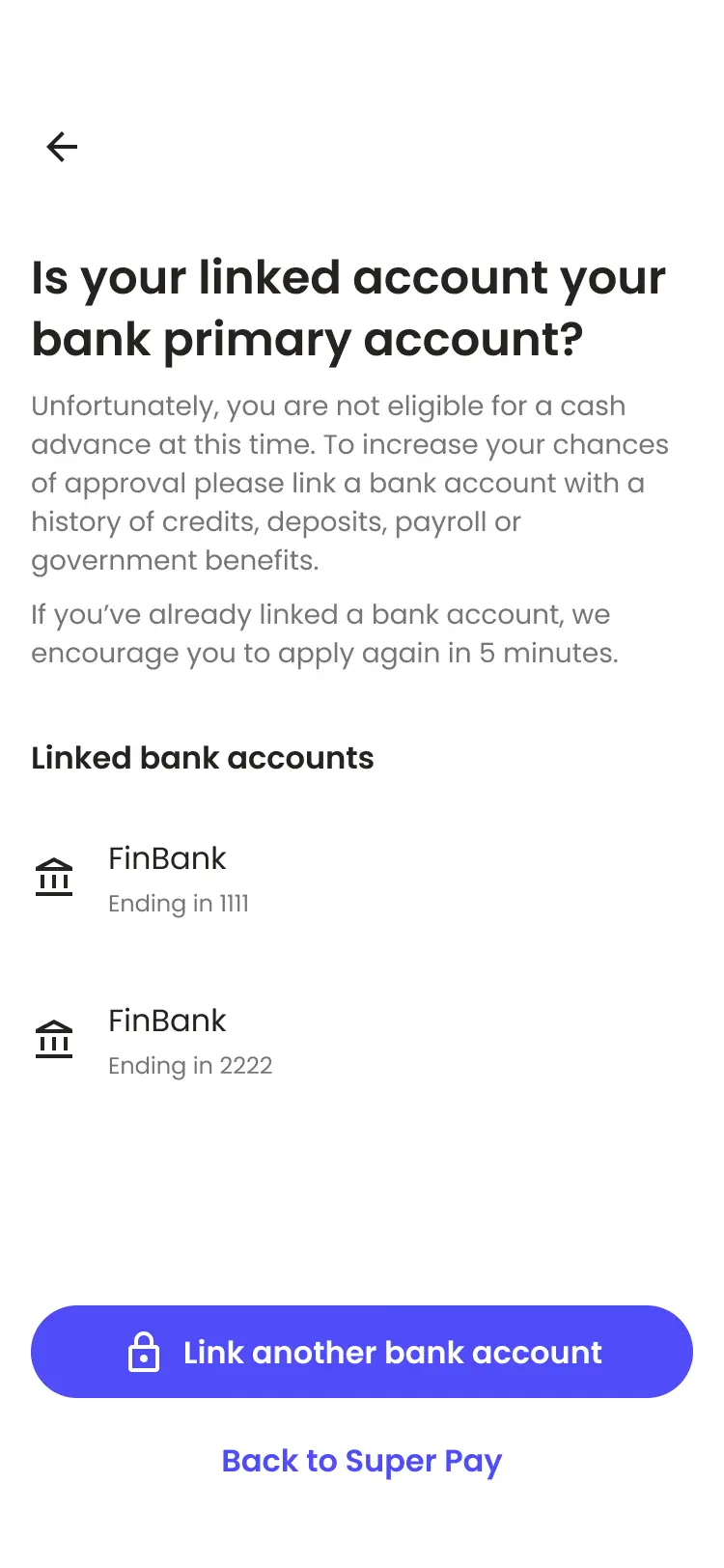
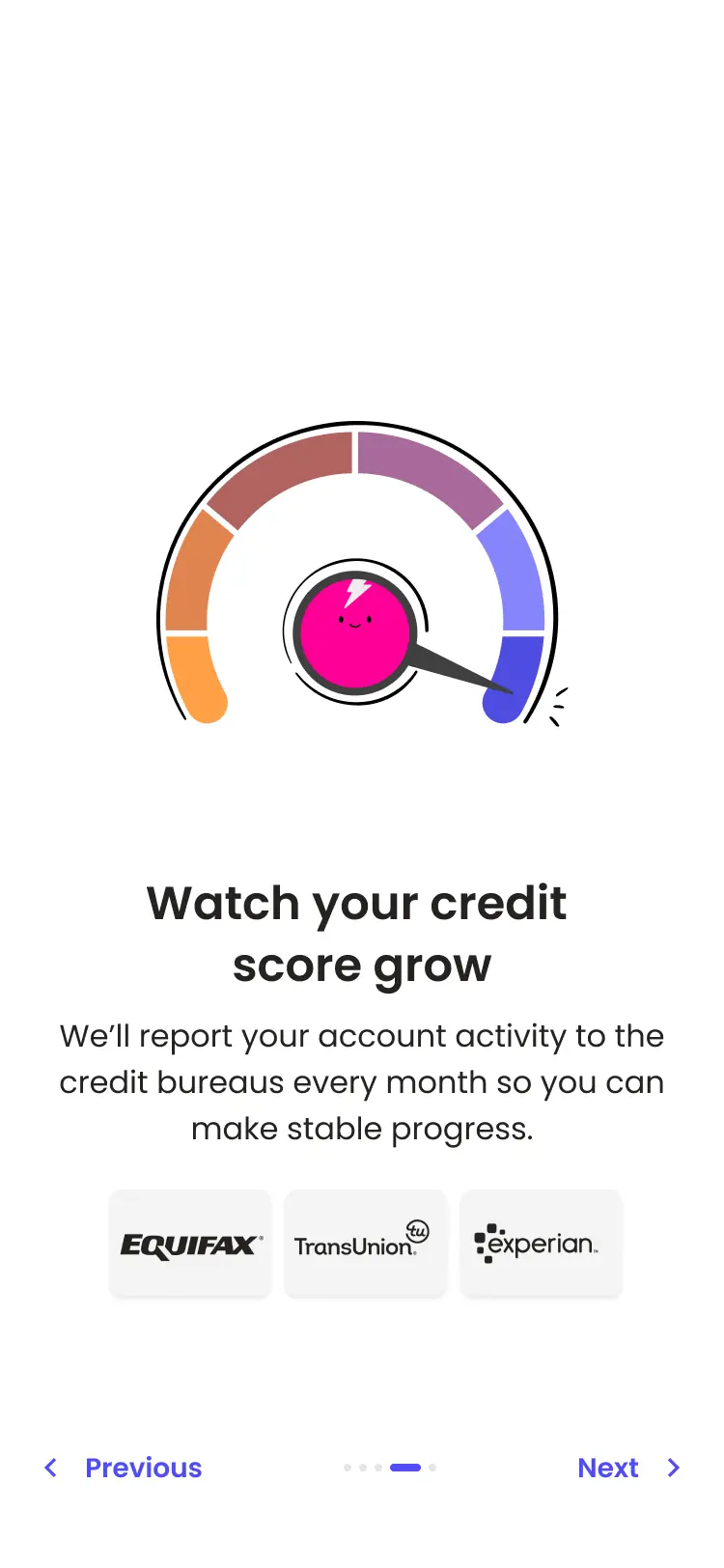
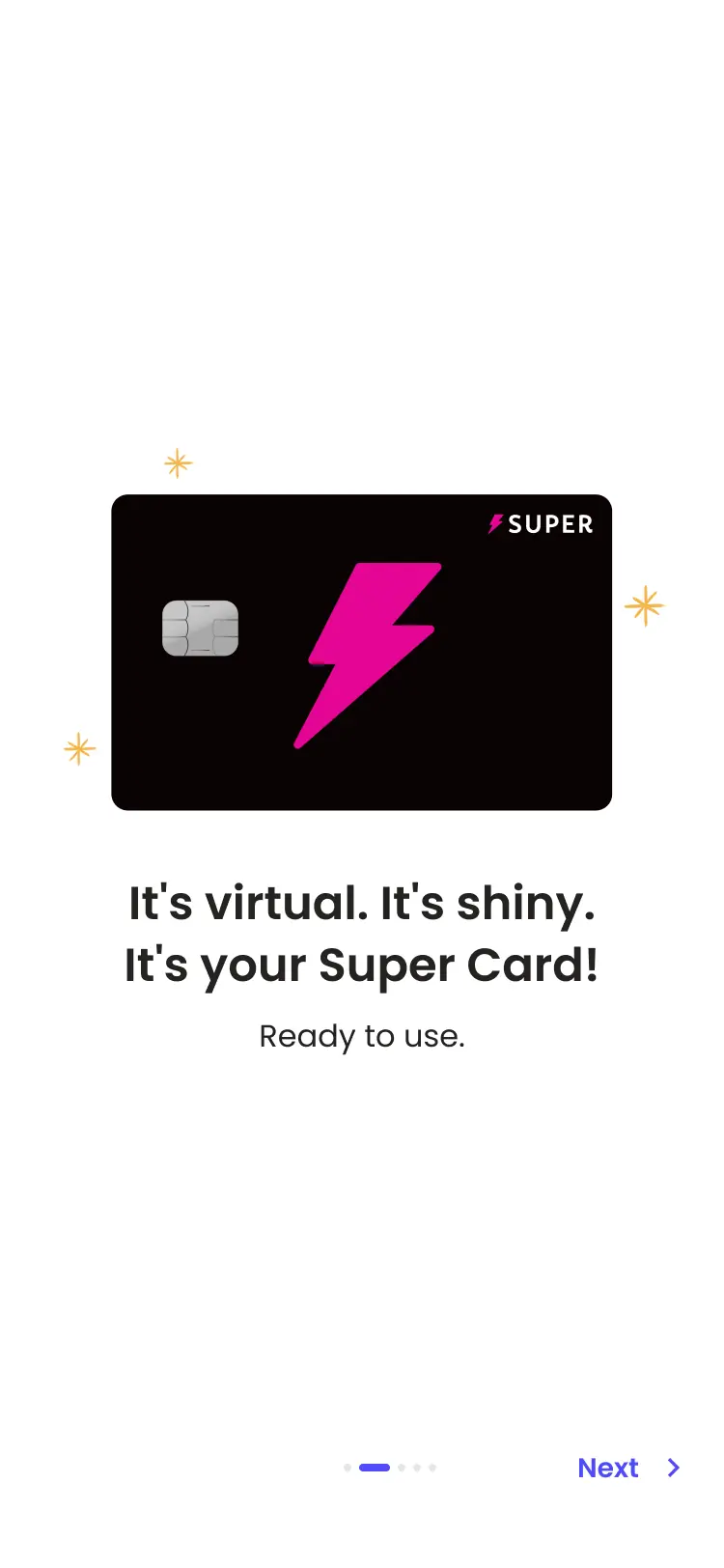
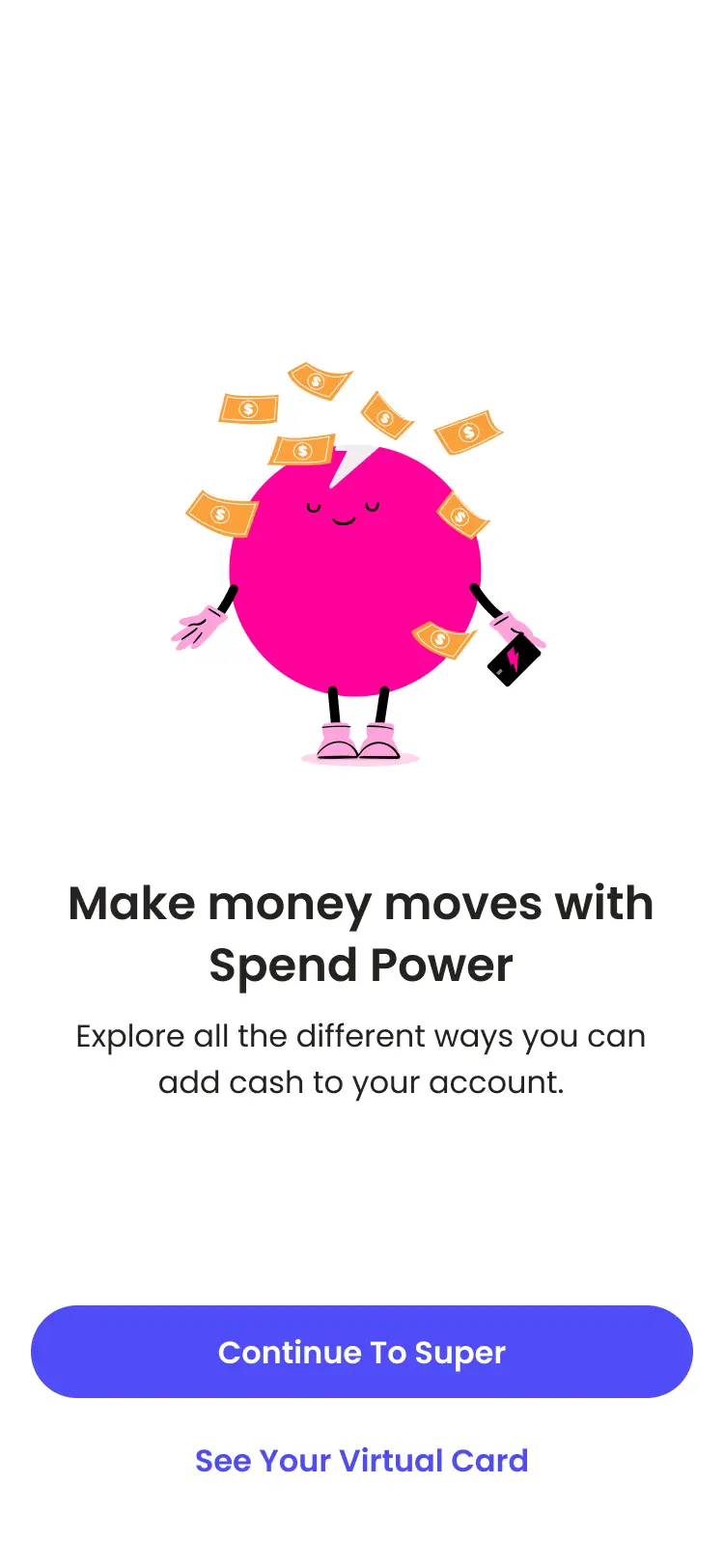
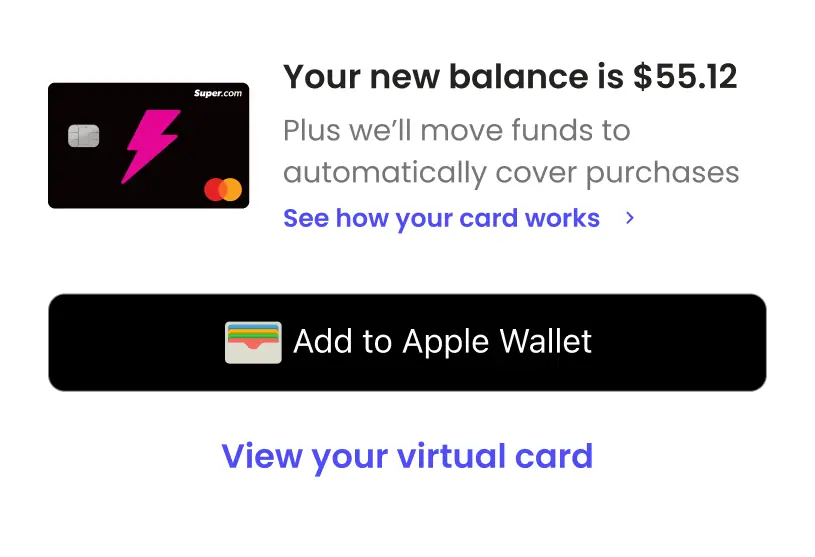
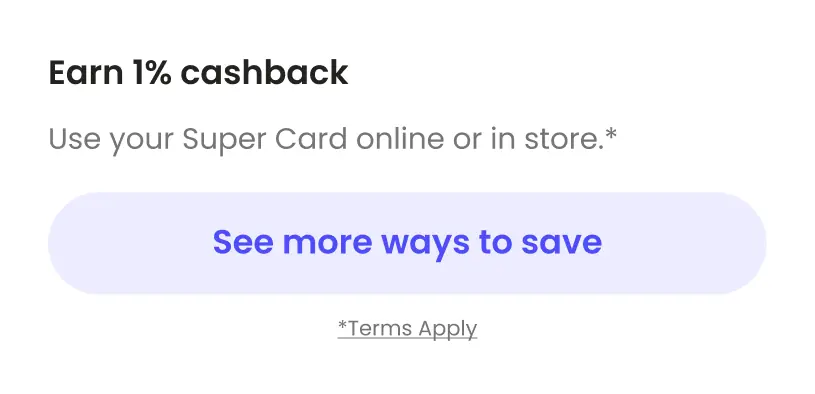
With the journeys in mind, I built a new concept for educating customers. This included pre-signup and post-signup.

I partnered with our UX Research team to evaluate the concepts, iterate and test again to validate our changes.

We prioritized core components.

Super.com has a very fast moving, experiment driven culture. That meant experimenting into a bigger idea.

I would have loved to build the entire concept but that was larger than our usual scope. Instead we used these educational concepts and usability tests as a North Star for smaller, iterative and informed updates.

Launching an experiment validated our ideas.

Our customers responded quickly to the new experience.

We quickly saw our call volumes reduce week-over-week. It took a few months to see retention and repayment rates to improve but those ticked up as well.

The end state was a success.

We accomplished our goal of increasing monthly retention and repayment rates through education.

Eventually, we experimented into the entire concept and continued to see improvements while we offered a more polished version of our product.

Next, we tested concepts to take the education even further.

We ran a Wizard of Oz usability and built intent driven homepages based on our customer data.

With a few weeks left in the year and no major research initiatives, I pitched a new kind of test. The research team and I ran a Wizard of Oz test based on the learnings from our usability tests and emerging conversations about the use of AI in our products.

Portfolio

Super.com

Mobile app (iOS/Android)

An all-in-one app to save money, get a cash advance, earn rewards and build credit.

See the case study

Product Design

Research

Service Design

Kohl's

Cart and Checkout (Web)

A new way to shop online and save products for later at a major department store.

See the case study

CX Design

Usability testing

Responsive design

Possible

Credit card + App (iOS/Android)

A credit card designed to break the Pay Day Loan cycle and built credit.

See the case study

Product Design

Lean UX

Launching 0 - 1

Nationwide

Mobile app (iOS/Android)

A new way to manage policies, money and claims online.

See the case study

UX Design

Design systems

Project management